

Many homeowners search for insulated garage doors to enhance energy efficiency, comfort, and the overall value of their homes. However, when deciding on insulated garage doors, homeowners often have one question: how much do they actually cost? There is no single price for all insulated garage doors because the cost of each type is determined by multiple factors.
Choosing an insulated garage door is a worthwhile investment. Therefore, it is important to select an option that is cost-effective, efficient, and durable. This blog provides information on insulated door prices based on size and other factors, helping you make an informed decision.
Insulated Garage Door Price as per Size
The following are the average estimated insulated garage door costs based on its size:
| Size | Average Door Price | Average Total Cost Installed |
| 1-Car Garage Door | $599 - $1,399 | $749 - $1,899 |
| 2-Car Garage Door | $1,199 - $2,999+ | $1,499 - $3,699+ |
| 3-Car Garage Door | $1,799 - $4,399+ | $2,249 - $5,799+ |
5 Types of Insulated Garage Door Material and Their Cost
Polystyrene

Polystyrene is a rigid foam material that typically comes in sheet form. It is usually placed between the layers of a garage door to provide moderate protection and insulation. Homeowners frequently choose this option for its affordability and ease of installation, suitable for standard residential requirements.
Pros of Polystyrene
-
Lightweight: It is easy to carry and install.
-
Water-resistant: Helps in preventing damage caused by humidity.
-
R-Value: R-4 to R-6
-
Cost: $750 to $1,500
Polyurethane
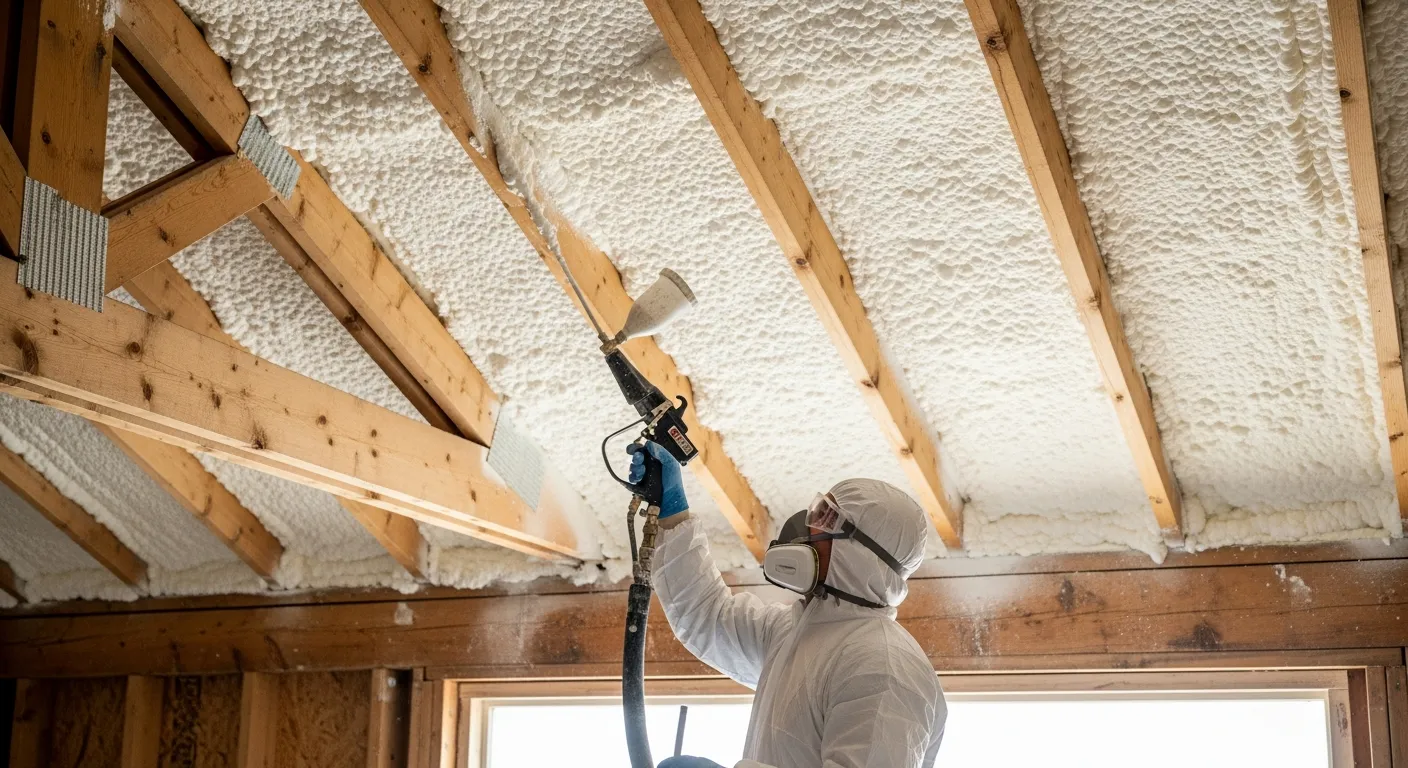
Polyurethane insulation is applied as spray foam to fully expand the space between garage door panels. This helps in improving insulation efficiency.
Pros of Polyurethane
-
Adds Strength to the Door: Enhances overall durability and rigidity.
-
Noise Reduction: Acts as a sound barrier.
-
R-Value: R-12 to R-18
-
Cost: $1,000 to $3,500
Reflective Insulation

Reflective insulation is made up of aluminum foil combined with materials such as polyethylene and bubble wrap. Instead of absorbing heat, it reflects it, making it effective in hot climates.
Pros of Reflective Insulation
-
Works as Heat Reflection: Helps in maintaining a cool environment in the garage.
-
Lightweighted: Easy to carry and install.
-
R-Value: R-3 to R-6
-
Cost: $800 to $2,000
Fiberglass
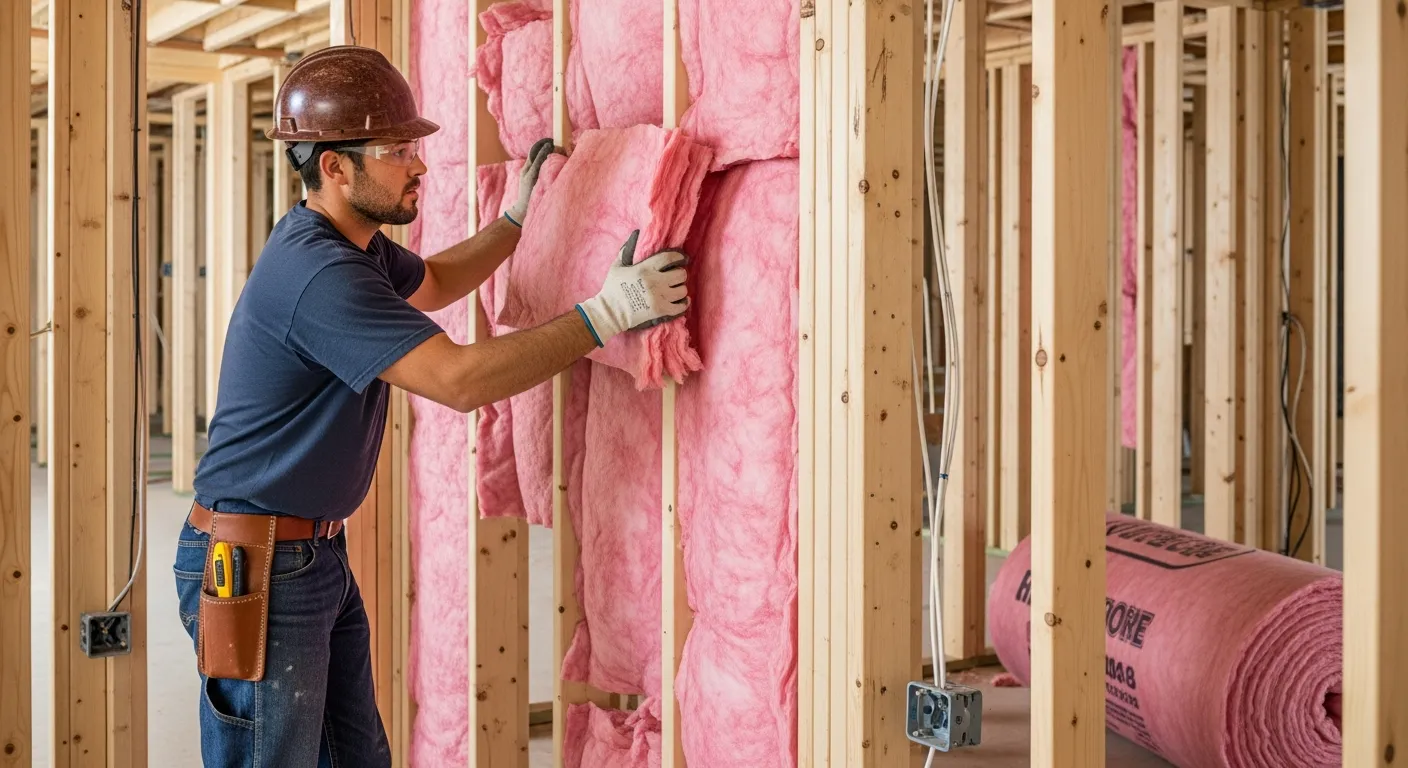
Fiberglass insulation is made from fine strands of glass fiber and is primarily used in residential applications. To enhance overall insulation, it is usually enclosed between two layers of door material. It is considered a practical option due to the perfect balance between cost-effectiveness and performance.
Pros of Fiberglass
-
Weight: It is lightweight and easy to install
-
Heat Resistant: It reduces heat transfer and offers sound insulation.
-
R-Value: R-2.9 to R-3.8
-
Price: $800 to $2,500 (if insulating an existing garage door, you may have to pay around $100 for the DIY kits).
Rigid Foam Insulation

Rigid foam types offer strong insulation even with minimal thickness, as they are made of dense, efficient materials. It is manufactured from polystyrene, polyurethane or polyisocyanurate which can be used for new as well as existing garage doors.
Pros of Rigid Foam
-
Water-Resistant: Reduces the chance of mold or damage.
-
Strong: Adds strength and stability to the door.
-
R-Value: R-4 to R-6.5
-
Cost: $850 to $2,600
Factors Affecting the Final Cost
Garage Door Size
Doors for 2- or 3-car garages may require more raw materials and additional labor, which often leads to a higher overall price than for single-car garage doors.
Materials Selected
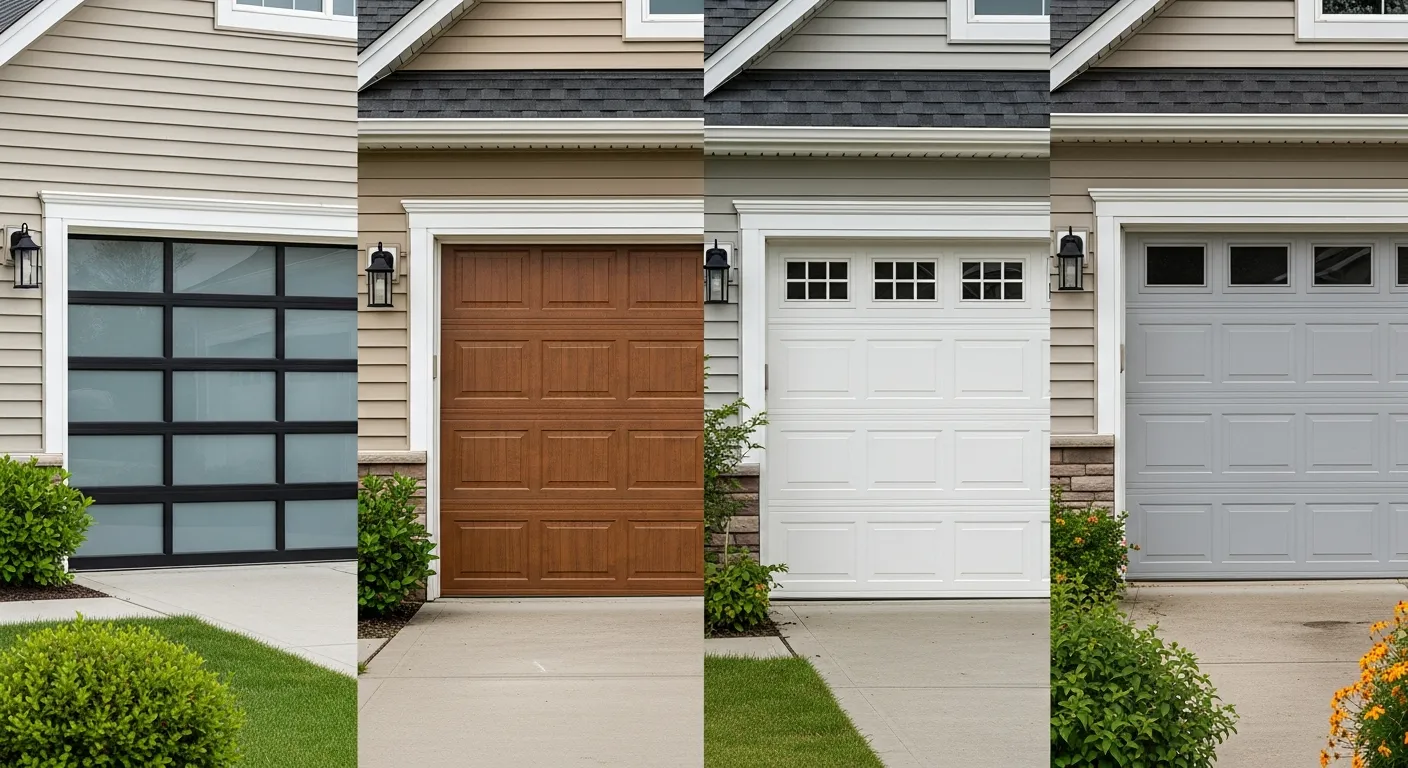
The material you choose often plays a major role in the final price. For example, steel and aluminum options are cost-effective and durable, whereas wood offers a premium aesthetic appeal that often increases the price. Fiberglass is the only option that sits in the mid-range.
Insulation and R-Value
Many homeowners choose doors with higher R-values for better insulation and energy efficiency. Nonetheless, polystyrene and polyurethane are among the most common options, with varying performance and prices.
Custom Option
Adding elements like decorative windows, custom finishes, or unique design styles can increase the overall cost of the garage door.
Installation / Labor Cost
The location and complexity of installation also affect the final cost. Large or more intricate door setups usually require more time, expertise, and labor, which increases overall expenses.
Added Upgrades
Using advanced features such as smart openers, enhanced security options, or weather-sealing systems can increase the final price.
DIY or Professional Help - What to Choose?
Installing or replacing a garage door may seem like a cost-effective option if you do it yourself, but it also increases the risk. On the other hand, professional assistance will carry out the entire procedure safely and accurately while maintaining warranty coverage.