

Looking for a matte finish on the wood? If so, there are many options that can help you achieve the desired look. A matte finish is a surface with very little to no sheen, giving the wood a soft, natural, and muted look. Unlike glossy finishes, matte finishes offer a subtle, elegant look that is easier on the eyes.
Matte finishes are mostly preferred in Scandinavian, rustic, modern, and minimalist interiors, where people want something soft and balanced. To help you achieve a matte look on wood, this blog explains the steps in detail.
History of Matte Finish
Earlier, the only popular finish in the US was “piano finish,” which means thick and glossy. However, in the 1960s, after Danish Modern Furniture became popular, matte and dead-flat finishes also started gaining wider attention. Though most furniture pieces were made from walnut, the finish was often marketed as “oiled walnut by the marketing experts; it is not actually oil-finished.
Some European-made pieces were coated with a thin-film or low-luster conversion varnish or catalyzed lacquer. On the other hand, some furniture was sprayed with matte lacquer or dead flat coating. With time, this look became one of the most preferred ones, and many manufacturers today have started using Danish oil to recreate a similar appearance.
How to Get Matte Finish on Wood Surfaces?
Here are some of the ways you can get a matte finish on wood surfaces -
Wipe the Varnish
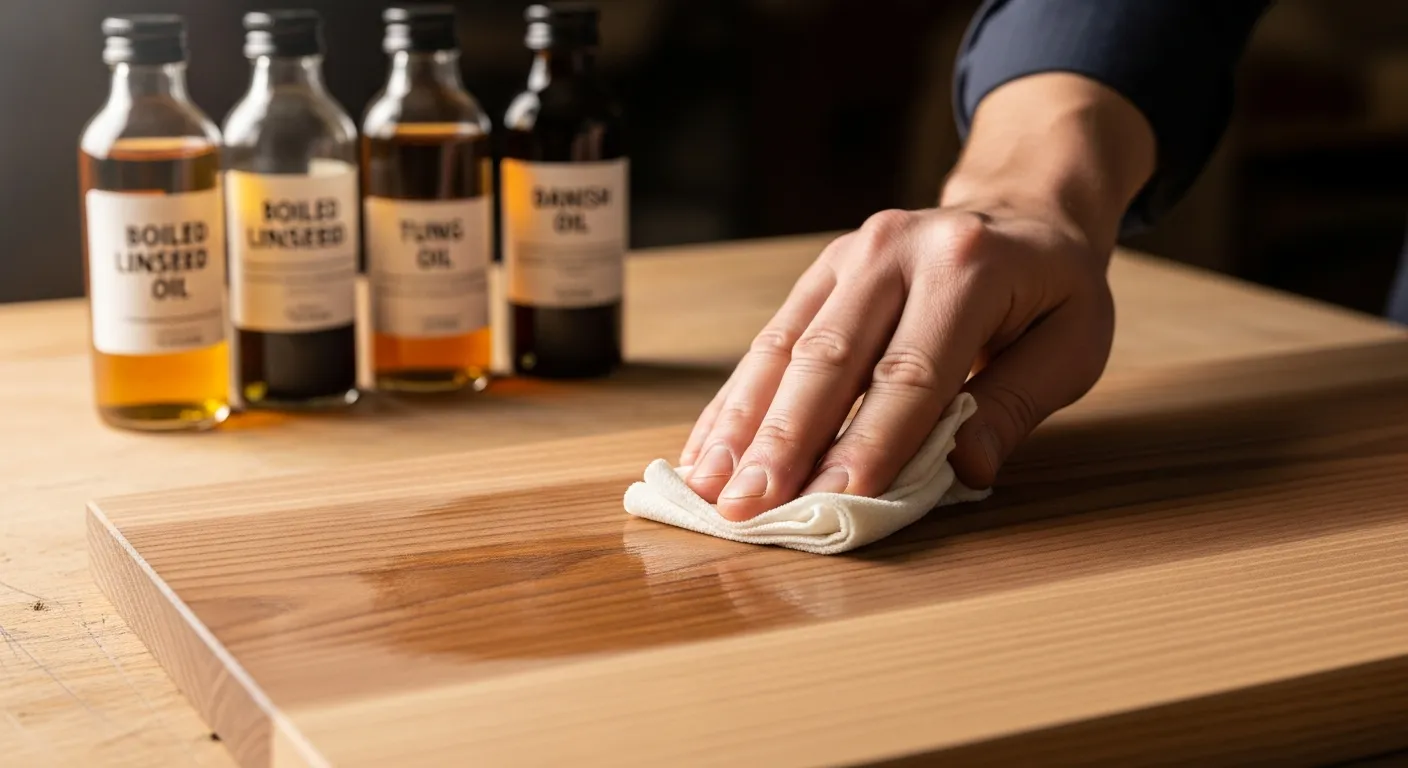
Most finishes are made to look shiny and go on thick. But when you wipe them off, the finish becomes thin and won’t develop any gloss. To get the right matte finish, you need to wipe it off in a specific manner. There are several finishes you can use to get the flat finish, such as boiled linseed oil, tung oil finish, and Danish oil. They are absolutely easy to apply, and the best part is that they build up slowly, which is also a bit more durable.
Use Water-Based Polyurethane
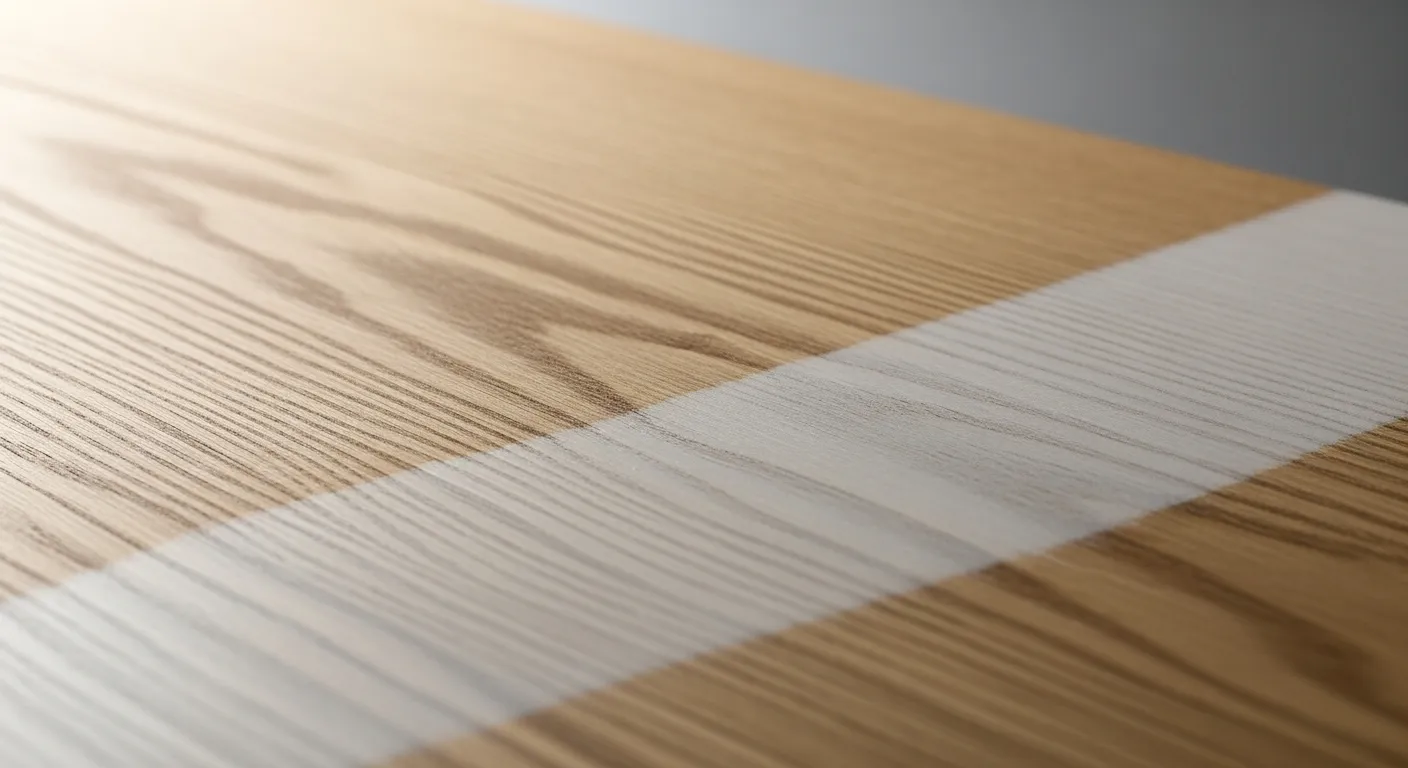
Water-based polyurethane finish is the best to get a matte finish on the wood surface, both for interior and exterior use. It is preferred because it does not give a foul smell during application and goes on clear despite the milky or cloudy appearance. Thus, giving a natural matte finish to the wood.
Shellac and Wax
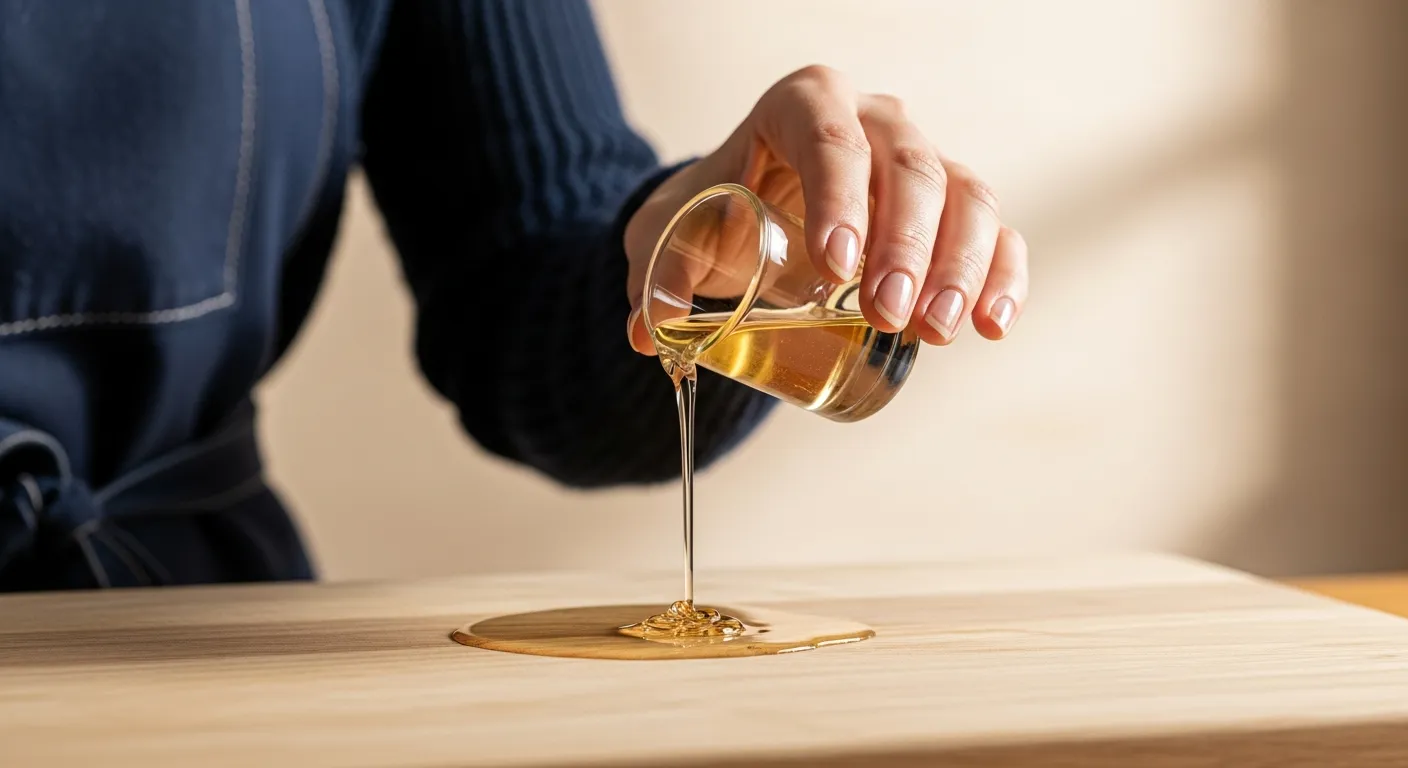
Shellac has a sheen in it, and to lower it, consider rubbing lightly with steel wool and applying wax. Wipe off the wax quickly while it is still wet to maintain a flat finish. The steel wool also smoothens the surface when you apply the wax. Also, be mindful to wipe off the wax immediately, because if you allow it to dry and then buffer it, the surface will become shiny.
Sand the Lacquer Spray
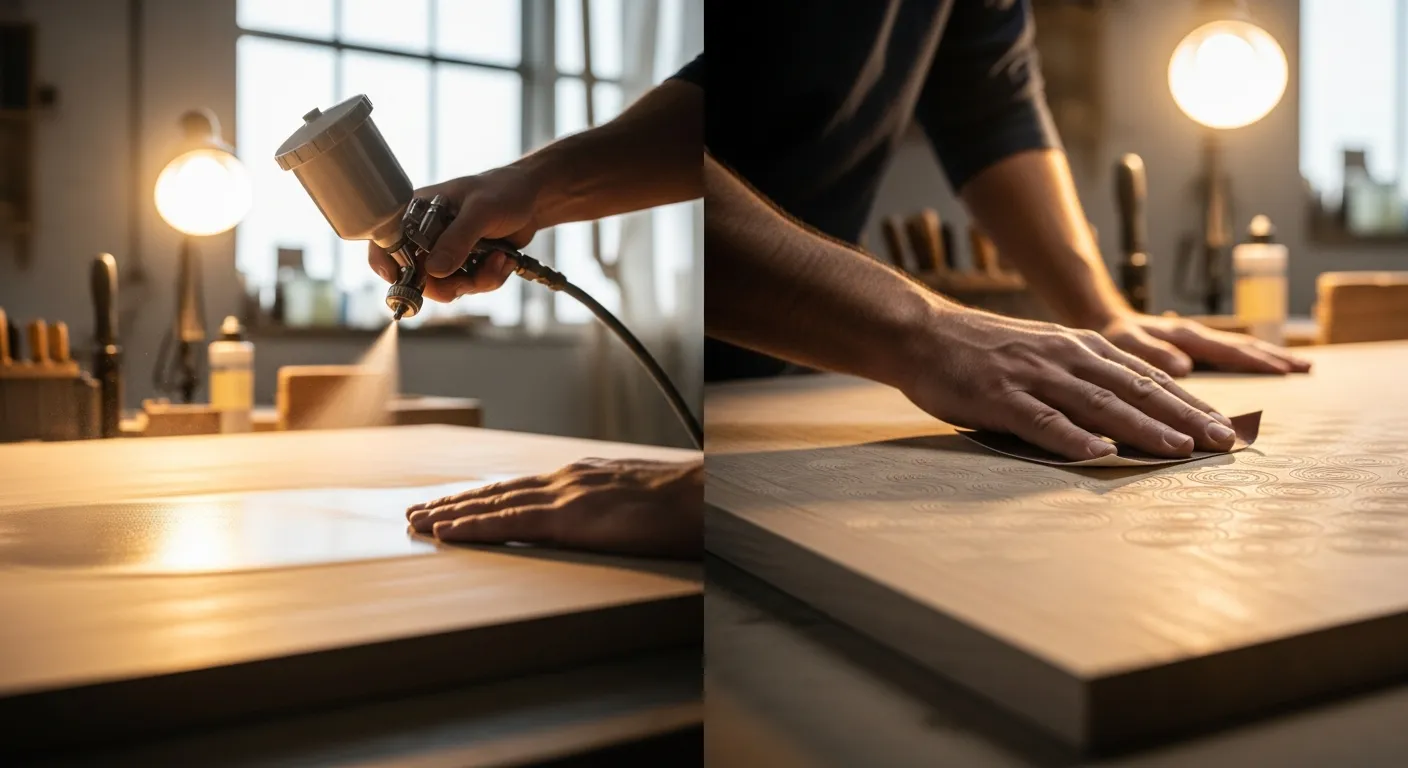
When you spray flat or matte lacquer, it spreads more evenly and covers minor imperfections without rubbing and making extra effort. It is advised to spray 3-4 thin layers of lacquer. Next, sand it with 400-grit paper only after one coat and make sure that the coating does not dry. This removes any raised grains and makes the surface smoother and more even in appearance.
Use Acrylics
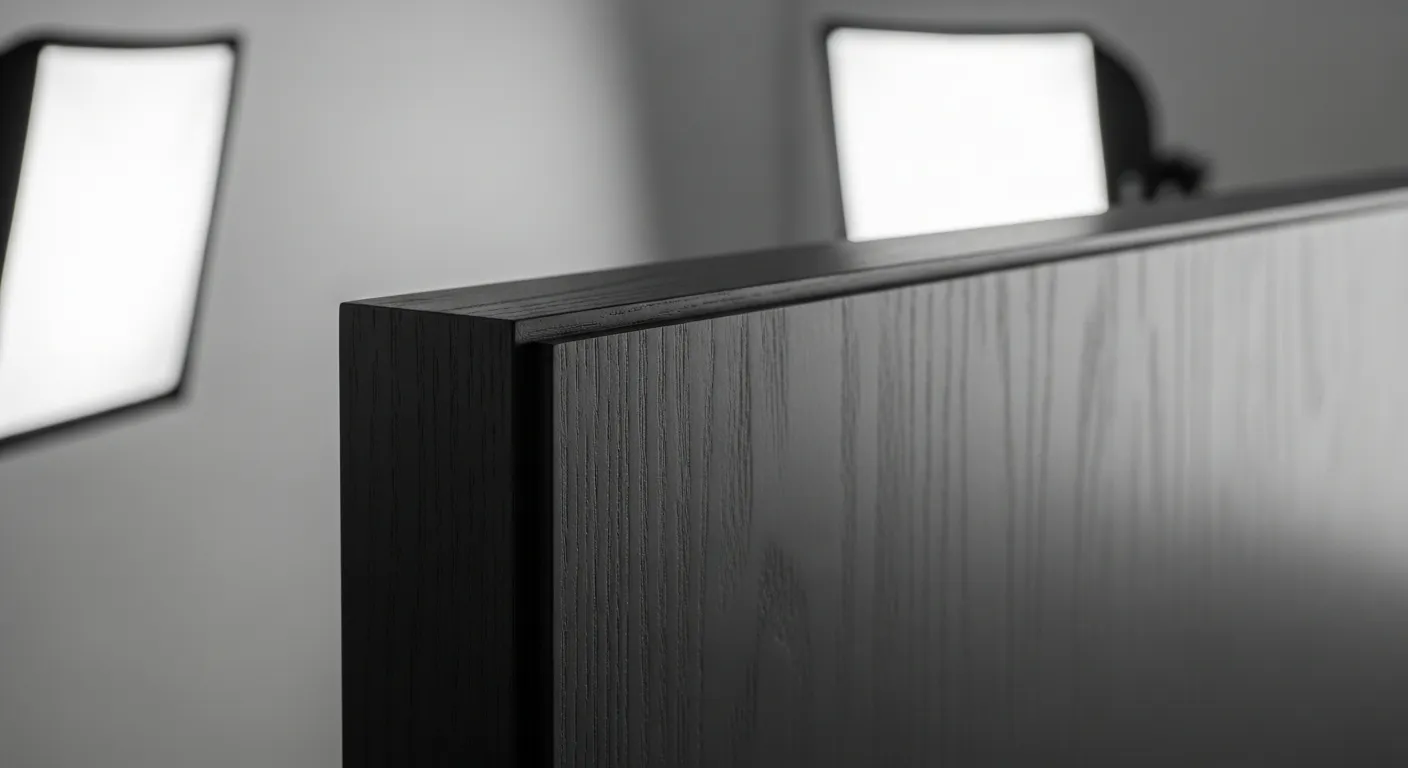
Acrylics, most specifically, ICA 2K Acrylics, are one of the best ways to achieve a low sheen that looks matte. It is available in two-component systems, which are non-yellowing and have lower sheen levels. The ICA acrylics offer easy application, excellent adhesion, and quick drying time.
Matte Finish Paints
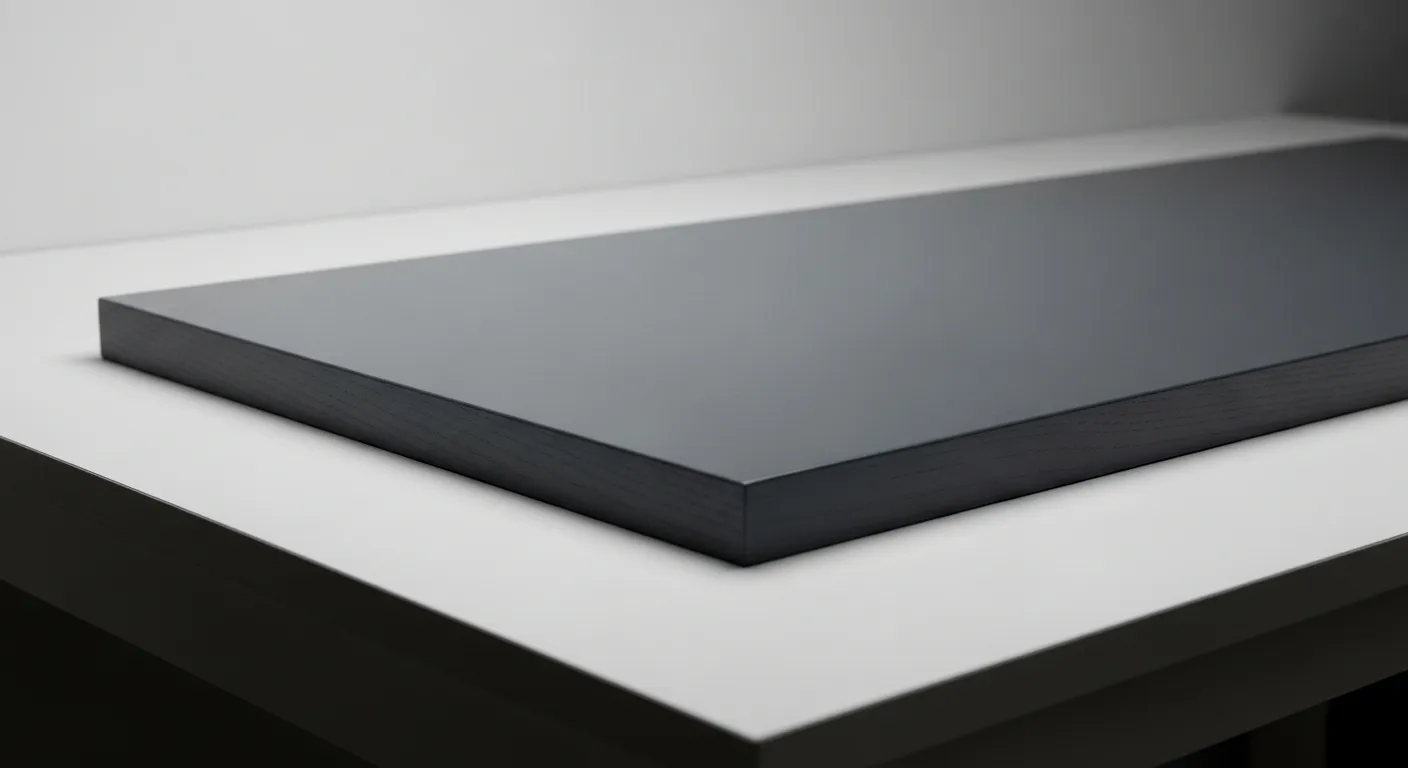
If the hassle of rubbing is too much to bear, consider using a matte-finish paint instead. It is the perfect way to achieve a matte look, without even having to spend time and effort wiping off the lacquer. However, ensure to top it off with a sealant so that the paint stays protected for a long time.
Chalk Paints
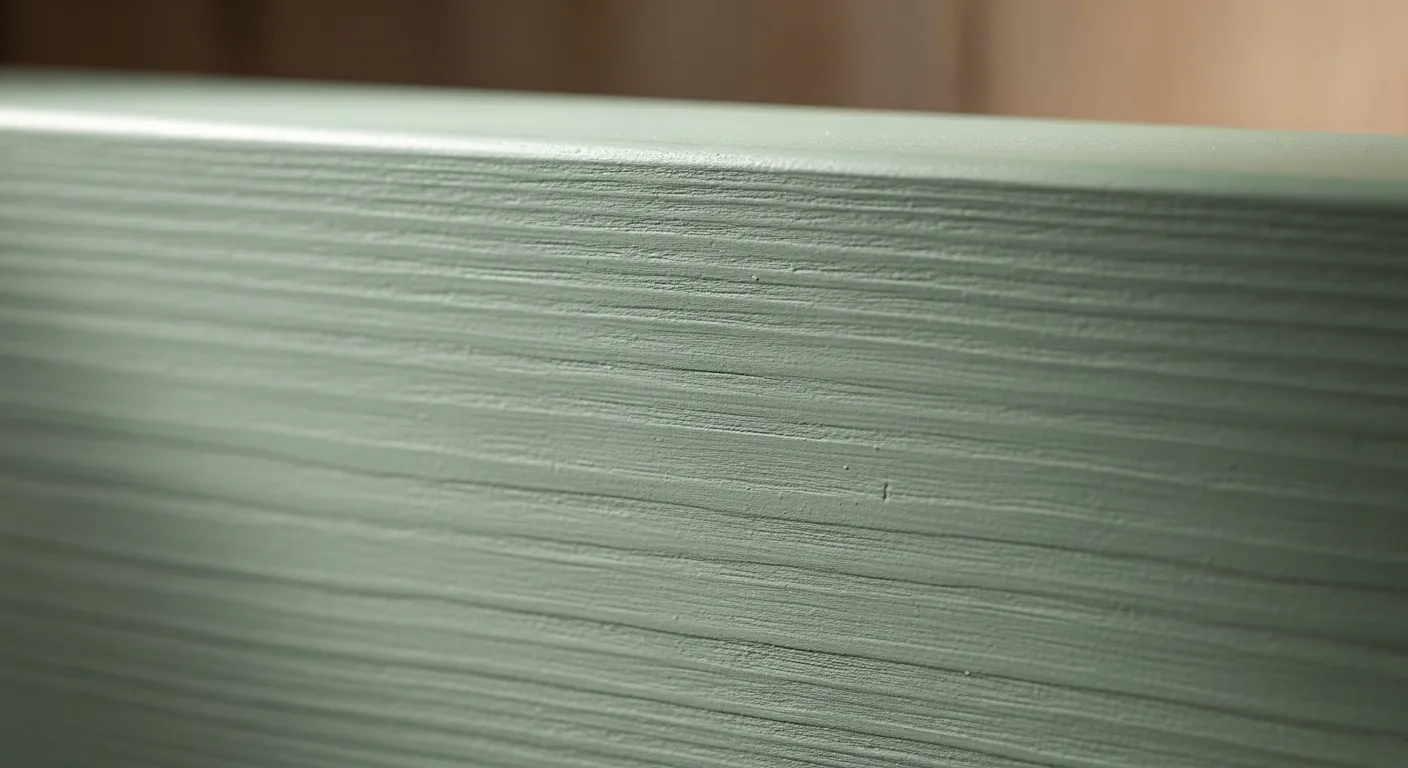
Chalk paints are another easy way to achieve a low-sheen, matte look on the wood. All you need to do is choose the color of the choice and prep the surface well before application. This gives your wooden surface a soft, chalky, and non-reflective finish.
Step-by-Step Guide to Achieve a Matte Finish On Wood
The first step when painting wood is to have proper ventilation. To get a matte finish on the wood, here are some steps you need to follow -
Prepare and Sand
Before you paint, it is important to prepare the surface. For this, you must clean the surface to remove any dust, debris, or grime deposits. Next, sand the surface to remove any existing paint on it. This creates a smooth base so that the paint or the finish adheres to the surface.
Prime the Surface
That is one of the most important steps you must not skip. Priming sets the base. Apply a wood primer evenly for better adhesion. This makes sure that the paint does not budge or come off after some time.
Paint the Wood
Use a matte finish paint in the color of your choice, and apply thin layers using a spray gun. Avoid applying the paint too heavily, as it may look uneven and can also affect the finish.
Allow It to Dry
Before touching, ensure the paint is completely dried. Once the first layer is dried, apply another layer of paint. To understand how much time the paint requires to dry, consider reading the manufacturer’s instructions.
Apply Finishing Coat
Top the paint with a clear matte finish coat to protect the paint and enhance its durability. The finishing coat seals the paint and makes the surface look more even.
Precautions to Take When Painting
Here are certain factors to consider and precautions to take while painting a wood surface -
- For smooth and uniform application, consider using a spray gun.
- Sand lightly between coats for a flawless matte finish.
- Ensure proper ventilation, as it prevents bubbles and allows the paint to dry properly.
Conclusion
When you want a matte finish, it means you are looking for a non-reflective surface that is easy on the eyes. Matte finish can make the space feel more grounded and subtle. With so many options above, you can achieve the dream look without any hassle.