

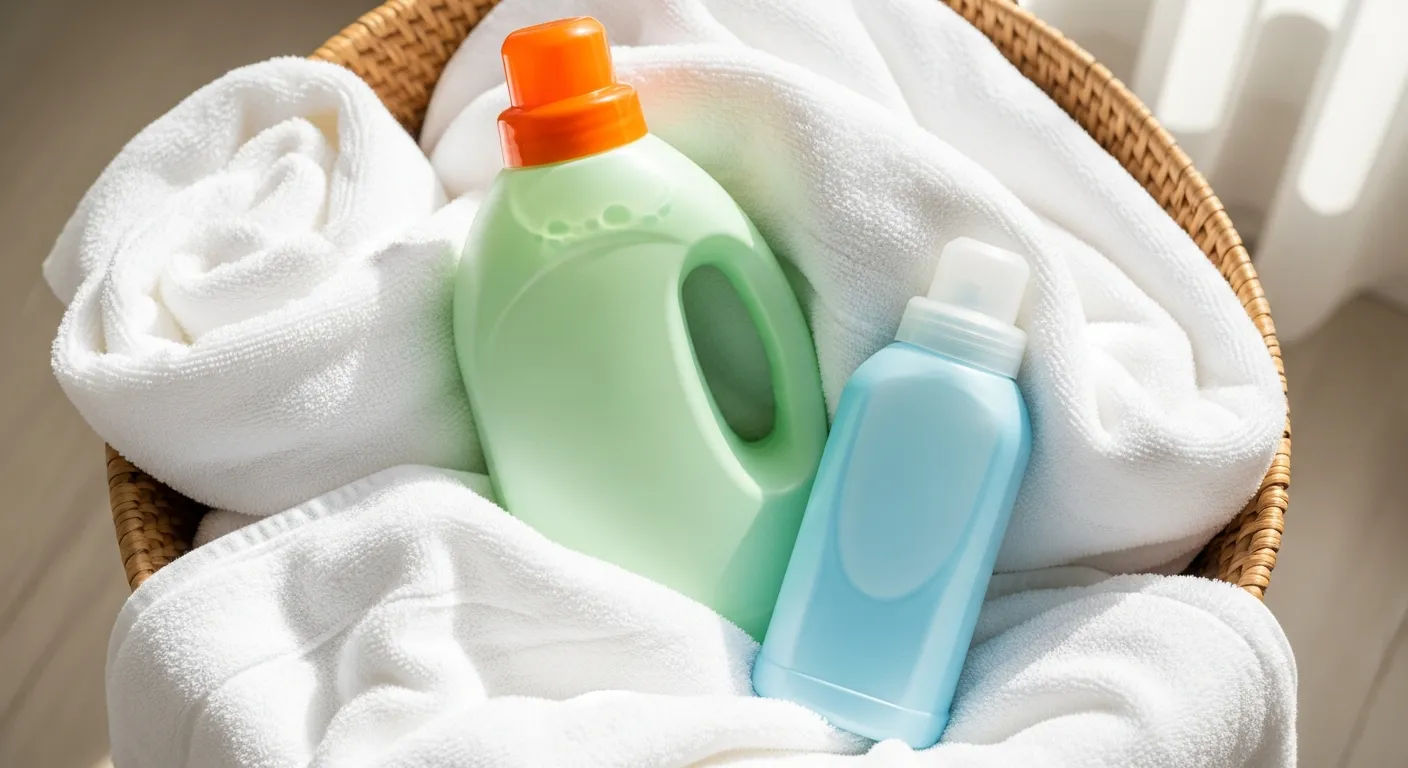
Fabric softeners are laundry additives that help reduce creases, static cling, and friction while keeping the clothes smelling fresh and soft to the touch. It can be used separately from the washer, or you can opt for laundry detergent that already contains fabric softener. Another option is to wash the clothes with your favorite detergent, then add a fabric softener sheet to the dryer when tumble drying.
People often discuss whether it is necessary or if it can be skipped. So, to help you understand, this blog discusses the key factors to consider when deciding whether to use it or skip it.
What Does Fabric Softener Do?
Fabric softener contains fatty acids that make the clothes feel softer. The fabric of the clothes is negatively charged, which attracts the positively charged fatty acids. Fabric softeners smoothen the fabric fibers and reduce static electricity, minimizing wear and wrinkles. But as a result, the fabric is less prone to static cling and feels more comfortable against the skin.
Many fabric softeners contain fragrance, while some are available in fragrance-free options. Fabric softeners improve the feel, texture, and softness of the fabric.
Is Fabric Softener Necessary?
Fabric softener is used to make the clothes feel softer, reduce static cling, and leave laundry with a fresh scent. These are the common reasons why people use fabric softener. However, there are other reasons to use fabric softener.
-
Can help reduce drying time.
-
Softens fibers for a cozy feel.
-
Prevents and reduces wrinkles.
-
Reduce static buildup in fabrics.
-
Leaves the laundry with a fresh, pleasant fragrance.
-
Lowers friction between fibers, which may reduce pilling and extend the life of clothes.
Benefits of Using Fabric Softener
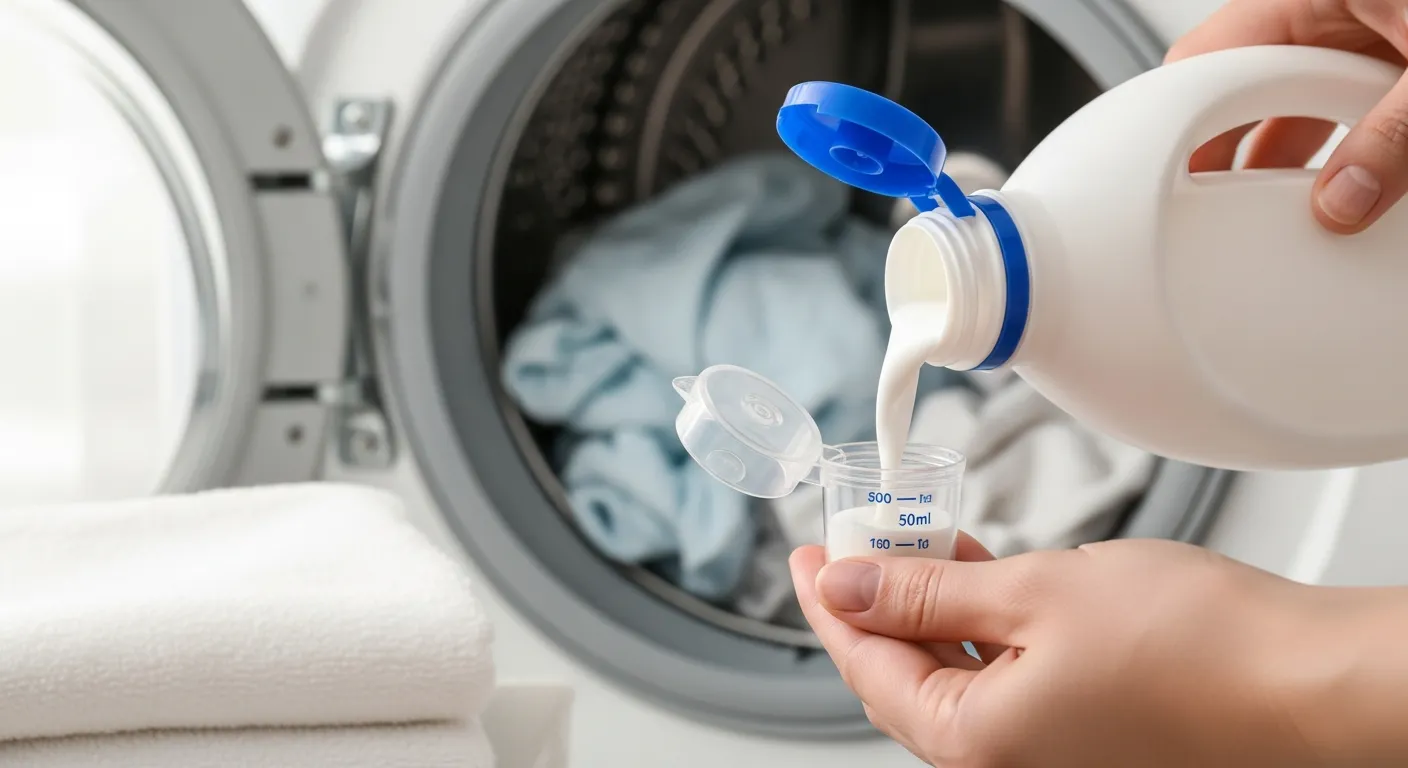
Fabric softeners can be one of the best additions to your laundry regime, and here’s why -
Softer Clothes
After using fabric softener on the clothes, they are softer and smoother to the touch. This is because the charged fatty acid lubricates every fiber of the clothes and eliminates the stiffness.
Reduced Static
It prevents the garments from clinging to one another. This is because fabric softener neutralizes the electrostatic charges that cause clothes to stick together, a common issue with synthetic fibers.
Leaves a Subtle Fragrance
The clothes smell good and feel comfortable because the surfactants in the fabric softener coat every thread, leaving them smelling fresh for days.
Reduces Wrinkle
Fabric softeners flatten the fibers during the rinse cycle, which reduces creases. This makes ironing easier and keeps your clothes looking neater and smoother for longer.
Drawbacks of Fabric Softener
Though there are several benefits of fabric softener, you must also understand its drawbacks -
Can Be Expensive
Fabric softeners range from a few dollars to much more for premium brands. While investing in a good laundry detergent is a good idea, using a fabric softener may not be worth the extra cost.
Potential Buildup
Fabric softener coats clothes with fragrance, giving them a fresh smell. It also coats the laundry with a chemical softening agent that leaves behind a waxy residue. No matter how fresh and soft your clothes feel after washing, a buildup remains on the clothes and inside the washing machine drum.
Reduced Absorbency
As you wash the clothes with fabric softener, it coats the laundry with a waxy coating. That coating reduces the clothes' absorbency, which means they absorb less moisture. This may cause the fabric to lie flat and absorb dirt and minerals from hard water.
Environmental Impact
Fabric softeners can also contribute to pollution throughout their lifecycle. The chemical compounds within the liquid can also pose a risk to aquatic life.
May Irritate the Skin
If you have sensitive skin, fabric softener might irritate it. So, always check the label on the fabric softener for any allergens. Also, since some fabric softeners contain fragrance, it might not be good for you if you are allergic to it. In such cases, you can opt for a fragrance-free product.
Fabrics That Should Not Be Washed With Fabric Softener
When you wash certain fabrics with fabric softener, they lose their performance and absorbency. Understanding which materials you should avoid can help preserve their lifespan and effectiveness.
Microfiber
Fabric softener can reduce microfiber's effectiveness. Clothes and sheets made of microfiber have tiny fibers to trap dirt, dust, and moisture. So, when you use microfiber, it leaves a coating on the fibers, making them less grippy and less able to pick up dirt and absorb water.
Athletic Wear
Athletic wear, such as bras, swimsuits, and spandex, is mostly made of synthetic fibers, which dry quickly and absorb little water. However, fabric softener causes them to absorb water and sweat and to dry slowly. When sweat and dirt build up, a musty smell develops.
Towels
Towels absorb moisture, and washing them with fabric softener can reduce their ability to absorb moisture over time. Hence, it is advised to avoid washing it with fabric softener.
Water-Resistant Fabrics
Water-resistant fabrics, such as those used in athleisure and sportswear, are also not ideal for washing with fabric softener. This is because it strips away the fabric's moisture-wicking ability.
Flame-Resistant Clothing
Flame-resistant or flame-retardant clothes shouldn’t be washed with fabric softener. It layers the fabric with a surfactant, which reduces the effectiveness of the clothes.
Alternatives to Fabric Softener
If you think fabric softener is not for you, then here’s what you should consider -
-
White Vinegar: Distilled white vinegar can be used in the rinse cycle to soften the clothes. It also reduces static and eliminates odors.
-
Wool Dryer Balls: You can add wool dryer balls to the dryer to reduce static. It leaves the clothes smooth and soft to the touch.
-
Proper Drying Techniques: Ensure you remove clothes from the dryer immediately to prevent wrinkles and fiber damage. This keeps the clothes looking fresh and soft.
-
Other Natural Options: Baking soda and essential oils can neutralize odors and keep clothes soft.
When Should You Use Fabric Softener?
You can wash your blankets, hoodies, bathrobes, sheets, and t-shirts with fabric softener. Anything you want to keep fluffy, super comfortable, and soft can be washed with fabric softener. Also, if your jeans seem stiff, using fabric softener can help the fabric to relax.
It also helps reduce or eliminate static electricity in your bedding. Plus, the items you want to iron with ease also benefit from fabric softener, as it reduces creases and keeps clothes flat, making them easier to iron.
Common Mistakes to Avoid
Some people may use fabric softener incorrectly, which can reduce fabric performance and cause stains when poured directly onto clothes. Here are some mistakes to avoid when using fabric softener -
-
Avoid using too much product, as it may leave the clothes sticky due to the fatty acid content. This may trap odor and make the garments greasy to the touch.
-
Do not pour the fabric softener directly onto the clothes. Always dilute the product in a cup of water before adding it to the washing machine.
-
Fabric softener can stick to the machine and cause buildup, which can lead to mold and trap unpleasant odors.
-
Never add fabric softener during the wash cycle, as it can prevent the detergent from working effectively to remove dirt and stains.
Tips for Softer Laundry Without Fabric Softener
If you need softer laundry without using fabric softener, here are some expert tips you can follow -
-
Use mild detergent, white vinegar, or baking soda to remove odor and keep the fabric softer.
-
Use wool dryer balls to fluff up the fabric and prevent static.
-
Do not over-dry the clothes, and ensure to shake and snap them before pinning them to the clothesline.
Conclusion
Fabric softener has a place in your laundry as long as you know how and when to use it. It is great to use with clothes or items that you want to feel soft, smooth, and fragrant. However, you should avoid using it on woolen clothes, kids’ pajamas, synthetic fibers, and gym wear. It can also be used for towels, but avoid using it if you notice the towel's absorbency is decreasing.