

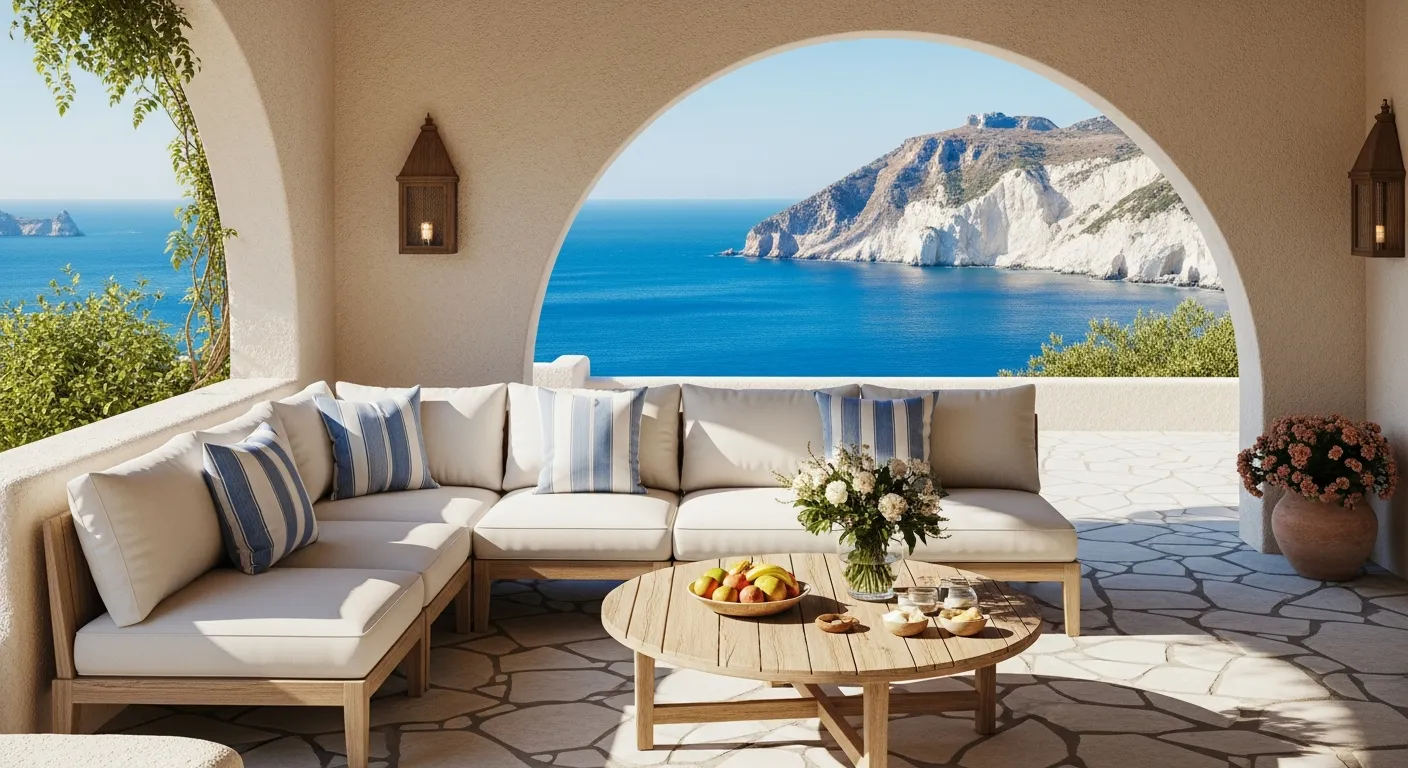
Mediterranean interior design brings in the vibe of the Mediterranean beach. Whether you want a feel of Capri, Santorini, or Ibiza, this interior design evokes the beauty and elegance of Southern Europe. This type of design mainly focuses on indoor and outdoor living, and usually uses natural materials and finishes that look effortless and minimal-chic.
The Mediterranean-inspired interior design has encouraged many homeowners with the elegant-looking minimal home, which looks effortlessly clear and decluttered. It brings calm and serenity to the space. So, if you are looking for Mediterranean interior design ideas, this blog will help you find some inspiration for your next home renovation.
What is Mediterranean Interior Design?
Mediterranean interior design is inspired by the homes throughout the Mediterranean region of Europe. The aesthetic closely relates to that of homes found in Spain, France, and Italy. However, it is influenced by several countries, such as Greece, Malta, Monaco, and Morocco.
While Mediterranean design falls under the umbrella of coastal interior design, it usually uses rich colors that are more rustic in character and more eclectic in expression. This type of home makes use of organic materials and textures and uses light color palettes. However, some homeowners mostly prefer bright hues, with a little touch of neutrals, too.
What Are the Features of Mediterranean Interiors?
Here are certain design motifs that are common in Mediterranean interiors -
- Archways.
- Eclectic tiles.
- Exposed beams.
- Ample natural light.
- Red terracotta roofs.
- Emphasized outdoor-indoor living.
- Decorative ironwork(often, wrought iron).
- Mediterranean decorative items, such as ceramics and textiles.
- Textured walls, often stucco on the exterior with plaster or stone walls on the interior.
- A color scheme, such as blue, green, red, orange, yellow, and earthy tones, inspired by the sea.
What Are Some Architectural Elements in Mediterranean Interior Design?
Mediterranean design is not only about aesthetics, but also the architectural elements that create the base for the design. Some important elements are - arched doorways, expansive windows, and high ceilings. The more open and airy your interior is, the more your home will have a Mediterranean style vibe.
Open Layout and Natural Light
A Mediterranean-style home has an open floor plan, which creates a seamless flow between different rooms of your home. This layout feels relaxing and social, and is perfect for family gatherings or hosting a party. The large windows are also important to make sure your home receives ample sunlight throughout the day, which makes the space inviting and bright.
Outdoor Spaces
Outdoor space is also as important as indoors when it comes to Mediterranean style. The patios, courtyards, and even terraces are meant to be an extension of the indoor space. You can add some decorative elements, such as lush plants, fountains, or tiled mosaics.
What Are the Types of Mediterranean Interior Design?
Every Mediterranean country has a different opinion about the home style. To help you understand better, here are three interior styles so that you can find a way to incorporate them into your home -
Italian Interior Design
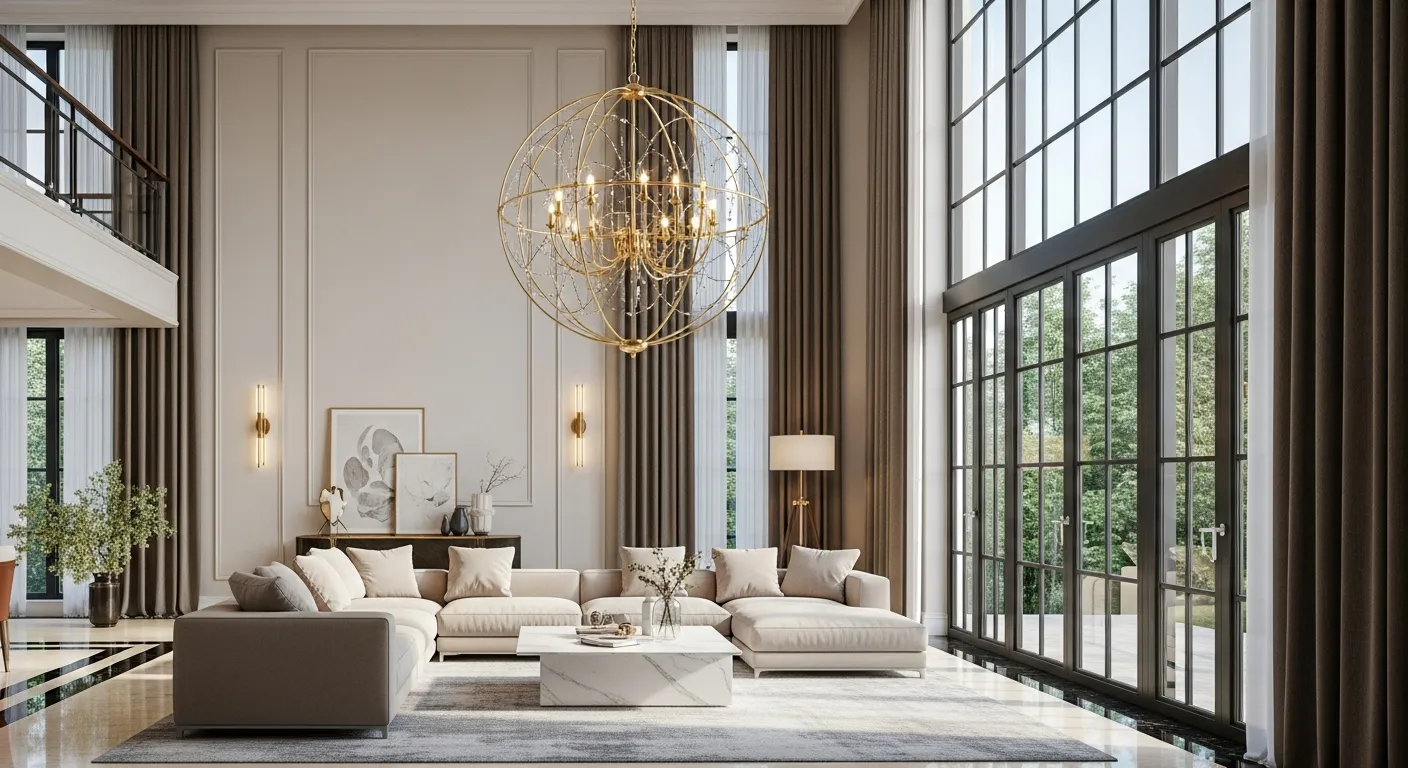
Italian home interior is known for its style, and is one of the most popular Mediterranean home styles. Some characteristics of an Italian-style home are -
- While neutrals are more famous in Mediterranean-style homes, especially in Italian-style interiors. They mostly focus on whites, beiges, and sandstone colors.
- The best way to emulate Italian aesthetics is by adding high-quality artwork and ornaments, such as intricate serving plates, canvas paintings, and more.
- Italian Mediterranean decor includes wood furniture of high quality and design, particularly walnut, cedar, and chestnut.
- Italian interior style is all about rustic, which is similar to that of a Mediterranean-style home. However, in Italian homes, people usually mix rustic with luxurious items to create an eclectic mix.
Spanish-Style Interior
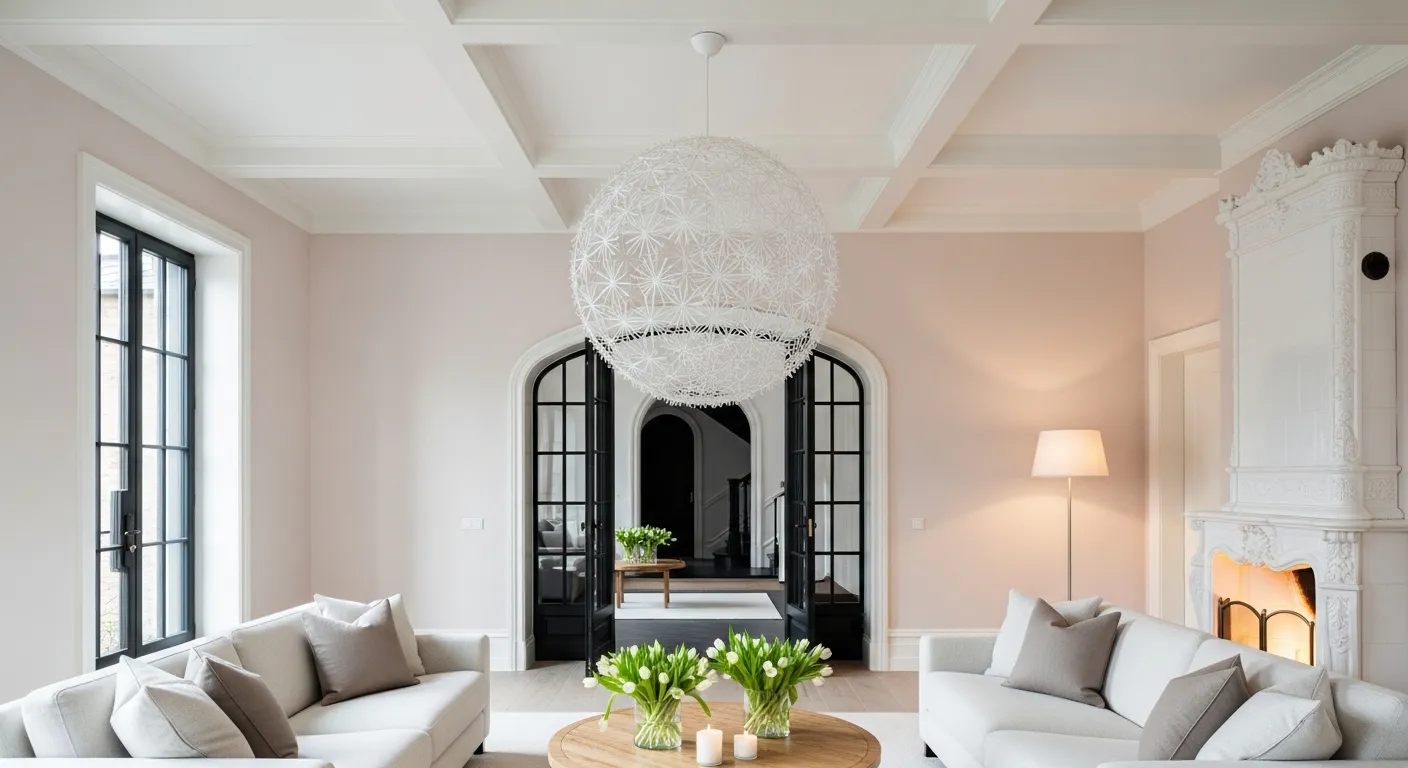
Spanish homes have a more bold interior design. Their concept is more vibrant than the Italian-style Mediterranean interior design. Here are some characteristics of a Spanish interior design -
- They mostly use warm earthy shades, such as terracotta, ochre, and deep reds, in addition to yellow, oranges, and some pinks, for a pop of color.
- The mix of patterns and textures is very important in a Spanish-style interior designing. Consider colorful mosaic and textured wall finishes, such as stucco, which are used to add depth to the room.
- In a Spanish-style home, you’ll find Spanish tiles that often feature bold and bright colors, as well as intricate patterns.
- Ceramic, pottery, in addition to rustic accents such as patina finishes, aged metals are used to add ornamental pieces or to add character to the space. Wrought iron is also used in many homes for a traditional touch.
Greek Interior Aesthetic
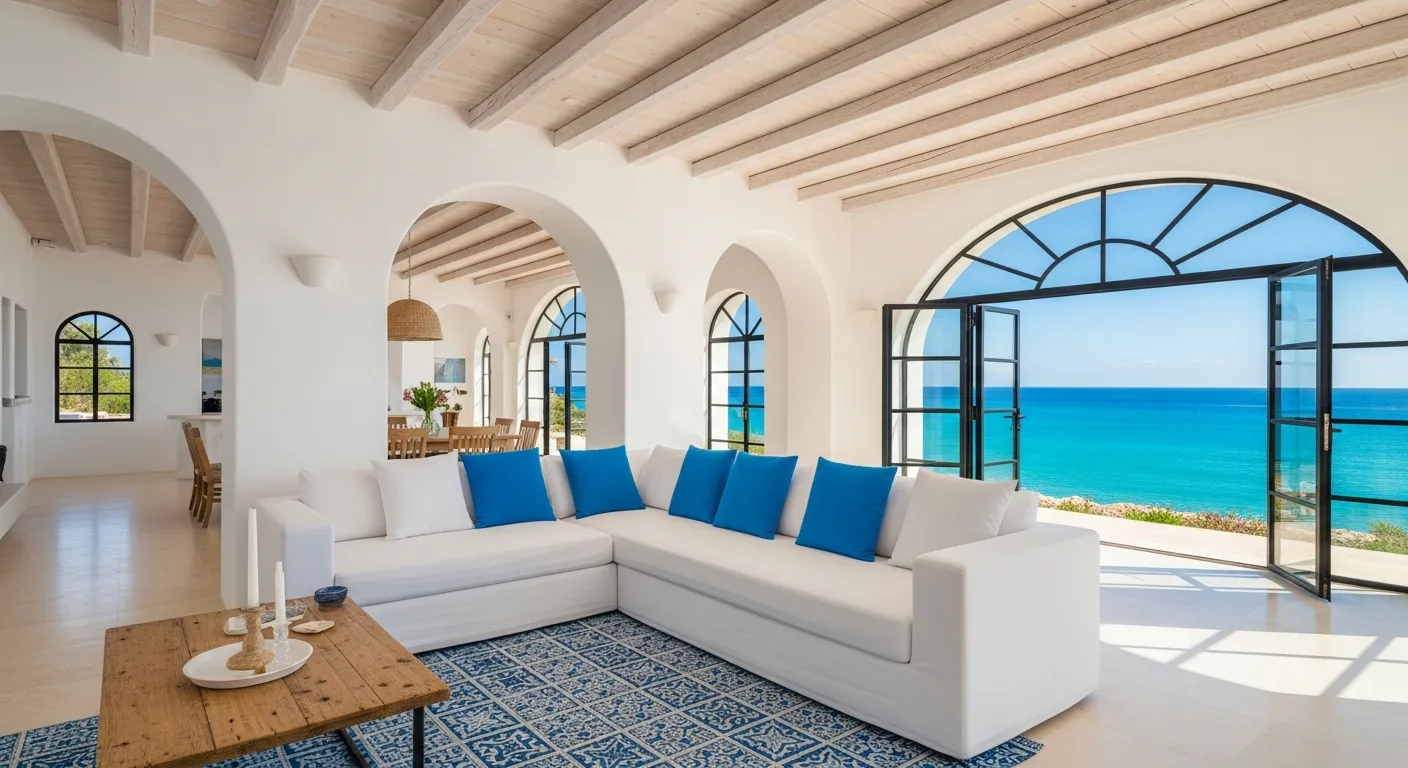
Greek interior design is more practical and rustic, but with several elegant, distinguished patterns and designs. Here are some tips you can consider -
- The color palette is mostly blue and neutral, such as whites, creams, grays, and earthy tones.
- Greek homes have large windows and doors that allow ample sunlight to enter the home.
- These styles mostly feature geometric patterns and motifs on floor mosaics, pottery, ceramic design, etc.
- Greek-style homes usually have lightweight fabric, such as cotton or linen drapes, and natural materials, such as wood with clean lines and gentle curves.
- Greece has a strong connection to the sea; hence, some homes incorporate shells, anchors, blue accents, etc.
5 Mediterranean Interior Design Tips
Here are a few design tips that will help you achieve Mediterranean style home -
Walls
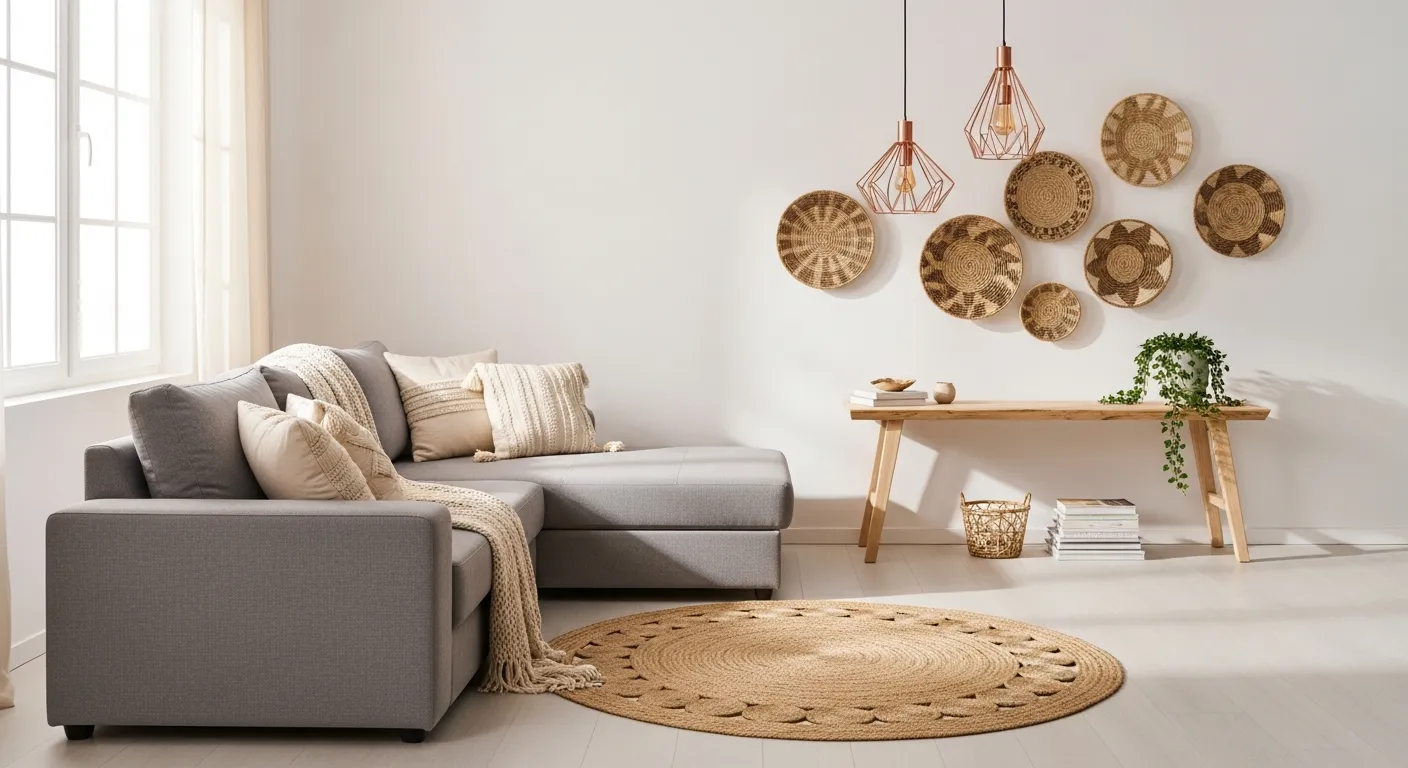
For walls, consider shades of white or cream. You can also whitewash the walls and floors to incorporate texture and patina. A few imperfections on the walls are also considered to be fine, as it creates texture. You can also highlight existing architecture, such as faux exposed beams, stonework, or tilework. This adds character and depth, and the interior looks more coastal and raw.
Flooring
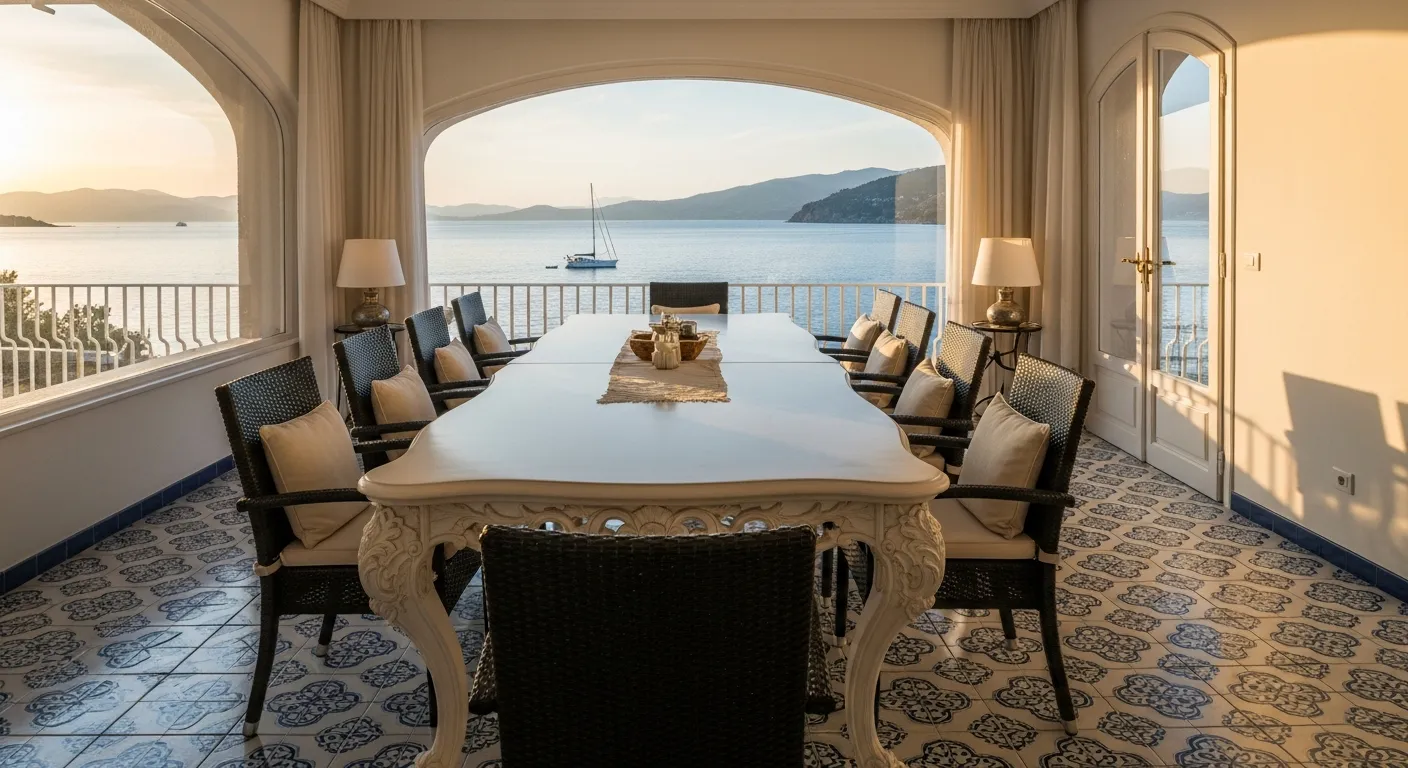
You can incorporate wide plank wood flooring or tile, depending on the climate of your region and your personal preference. Ensure to keep the flooring consistent, which creates a cohesive look. You can either leave the floor bare or use flat-weave rugs made of natural materials, in muted colors.
Note: You can experiment with mosaic tiles to add character, interest, and pattern to the minimalist space.
Decor Items
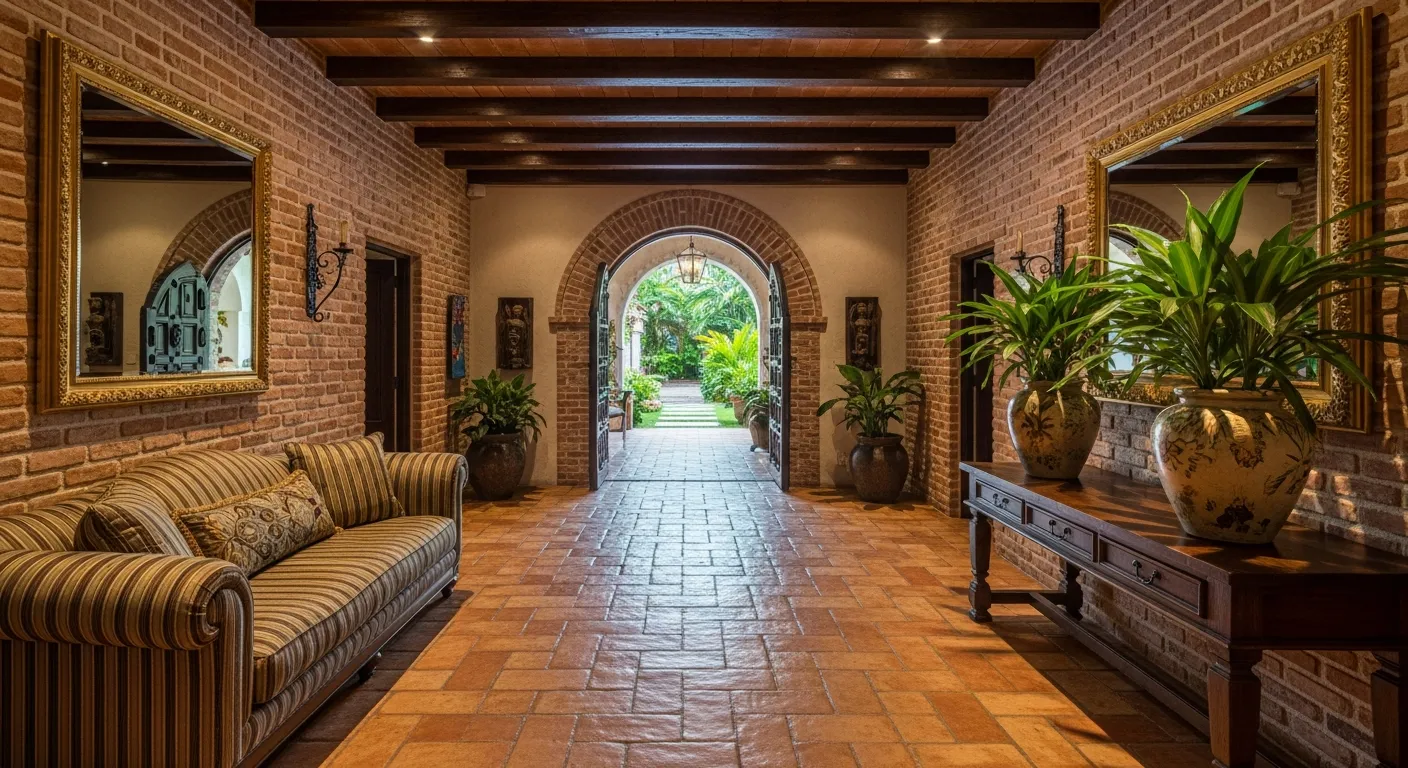
The first thing to consider is keeping the clutter at bay. To decorate the space, you can opt for rustic, sculptural objects (either vintage or handcrafted) such as ceramics, baskets, vases, and bowls. Use natural stone, unfinished wood, or concrete for finishes. You can also incorporate natural materials for your furniture, such as wicker, straw, rattan, jute, linen, rope, and cotton.
In addition, you can add an arched window-like mirror or bookshelves, and incorporate Mediterranean greenery like potted olive or lemon trees. Be sure to choose the plants depending on the climate type. If that isn’t an option, then consider placing branches or dried flowers in a rustic vase. For the kitchen, use open shelves that show off your crockery and accessories.
Doors and Windows
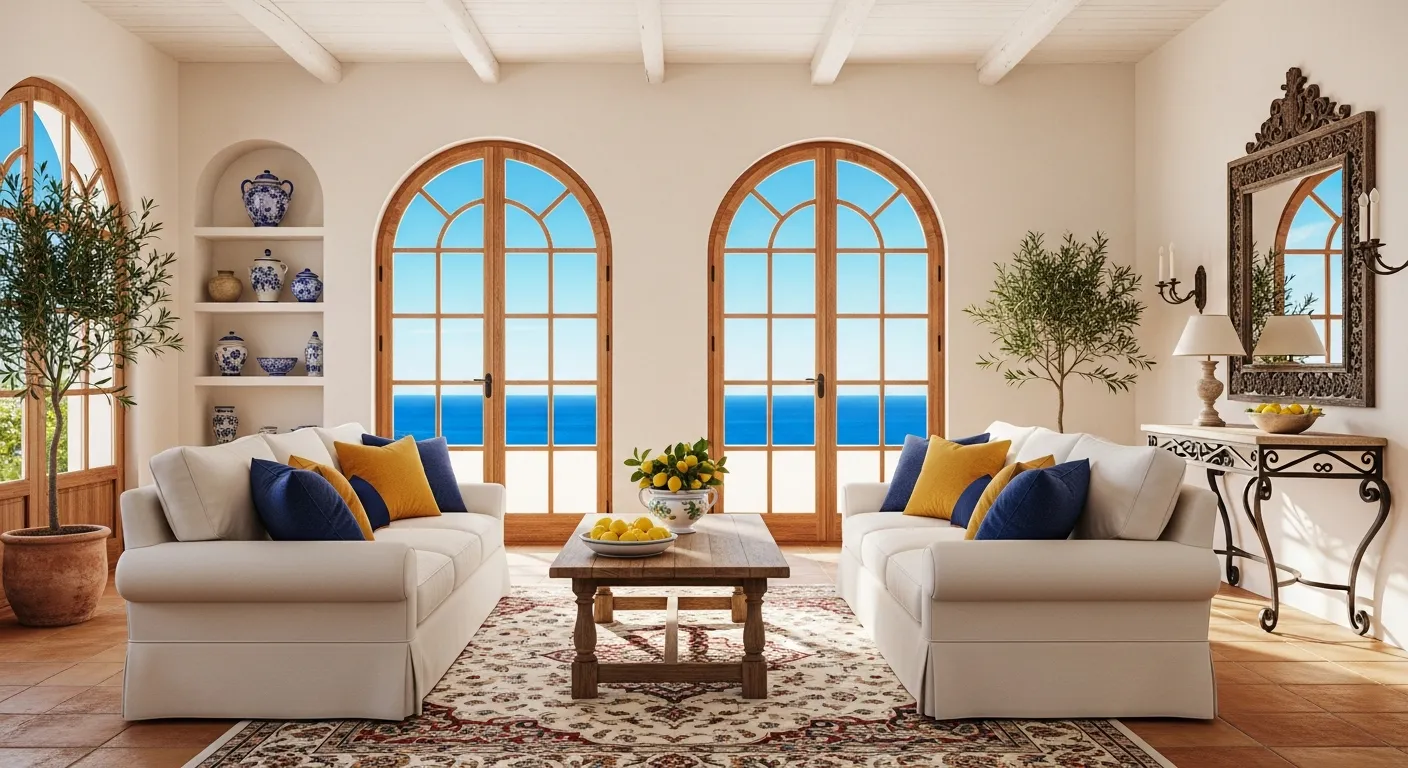
To make the space truly Mediterranean, allow ample natural light to enter the space. Keep the windows bare, add solar shades, or pale gauzy curtains. You can install a French or sliding door to connect the indoor and outdoor living. Arches can also bring out the coastal vibe in the space. If that’s not possible, mimic arches using paints and shading.
Outdoor Spaces
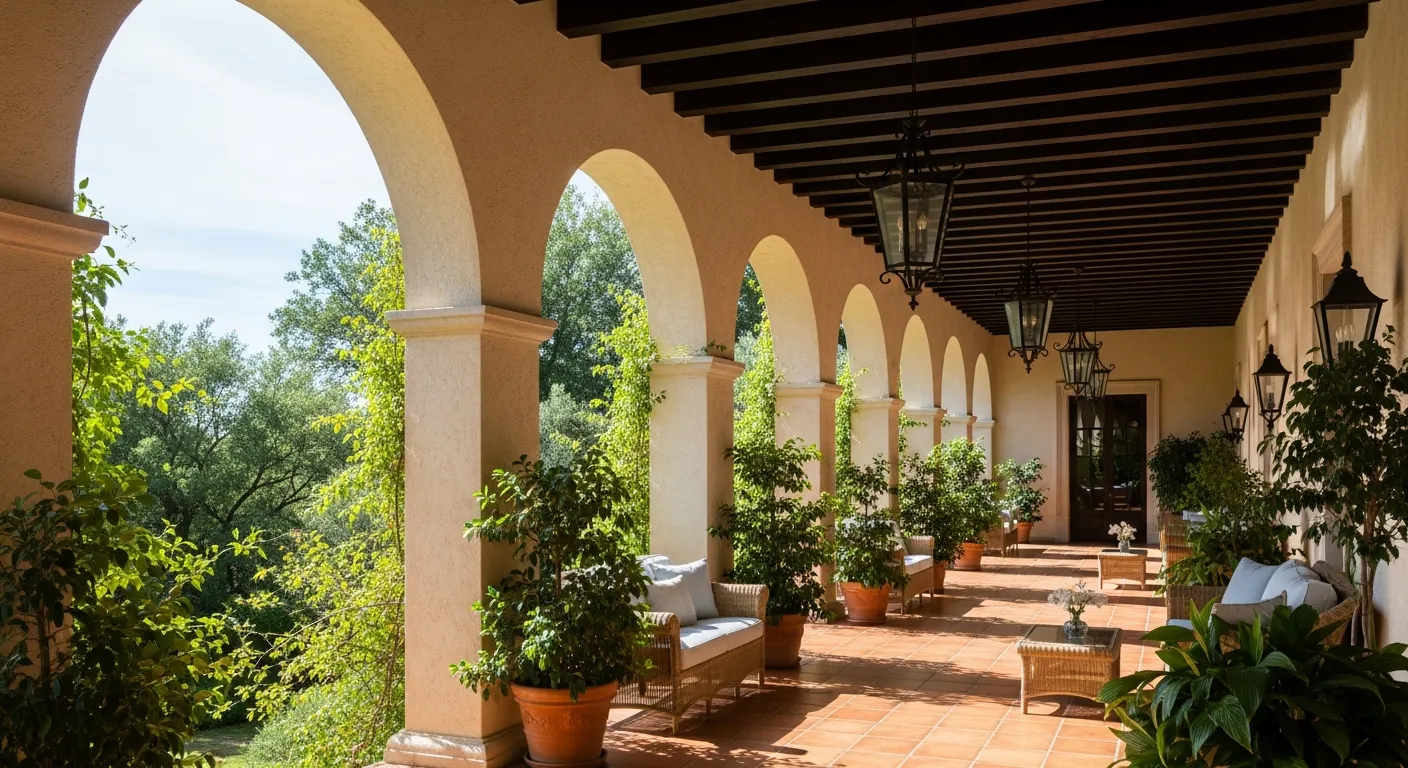
You should also consider furnishing the patio, balcony, and terrace (if any), in addition to indoors. This ties the inside of the home together.
For the patio and gardens, use comfortable seating with plenty of greenery around. You can incorporate some potted plants, climbing vines, etc., along with a cozy rug to make the outdoor space look more inviting.
Adopt Mediterranean Color Palette
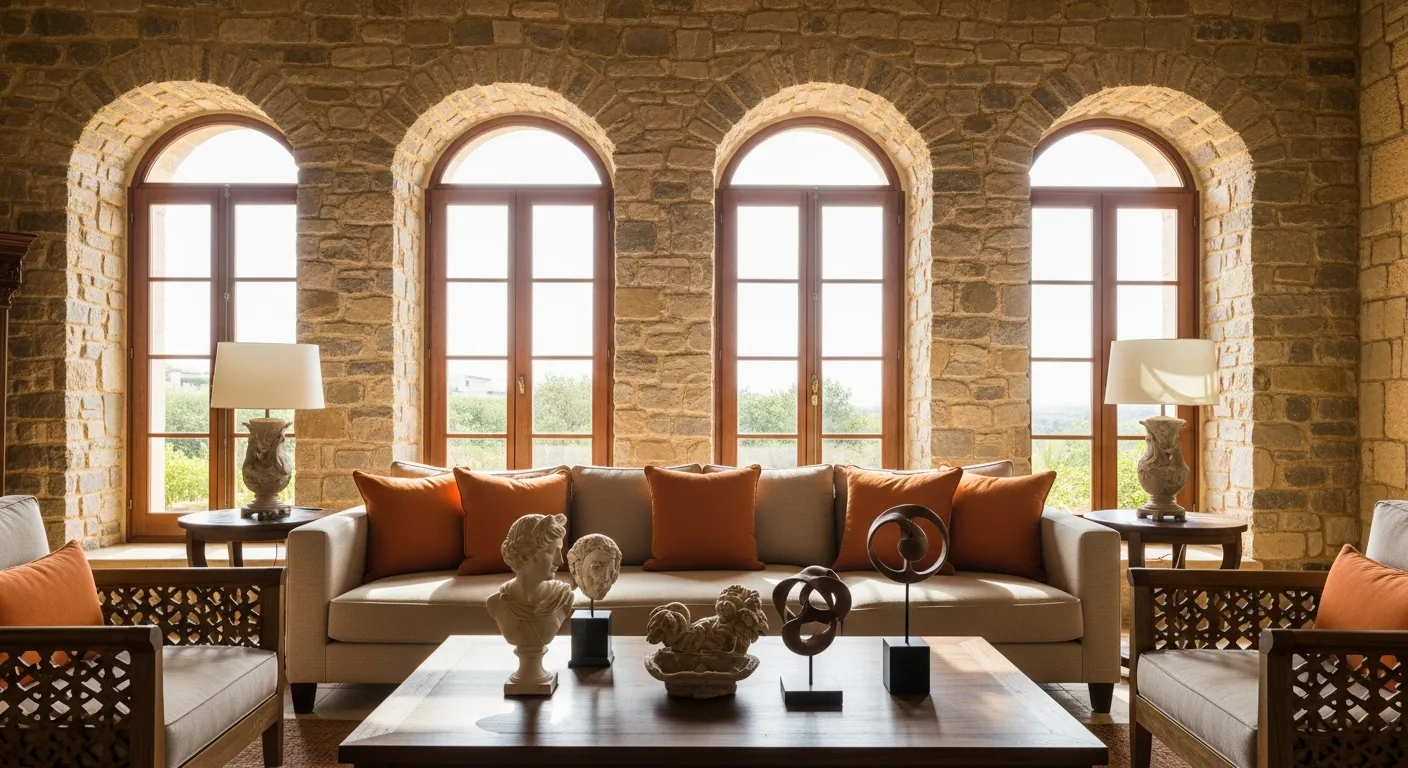
The color palette plays a significant role in achieving the Mediterranean vibes. Adopt a warm and neutral color palette like beige to paint the walls and bring in a pop of bold colors for accent walls, rugs, or cushions.