

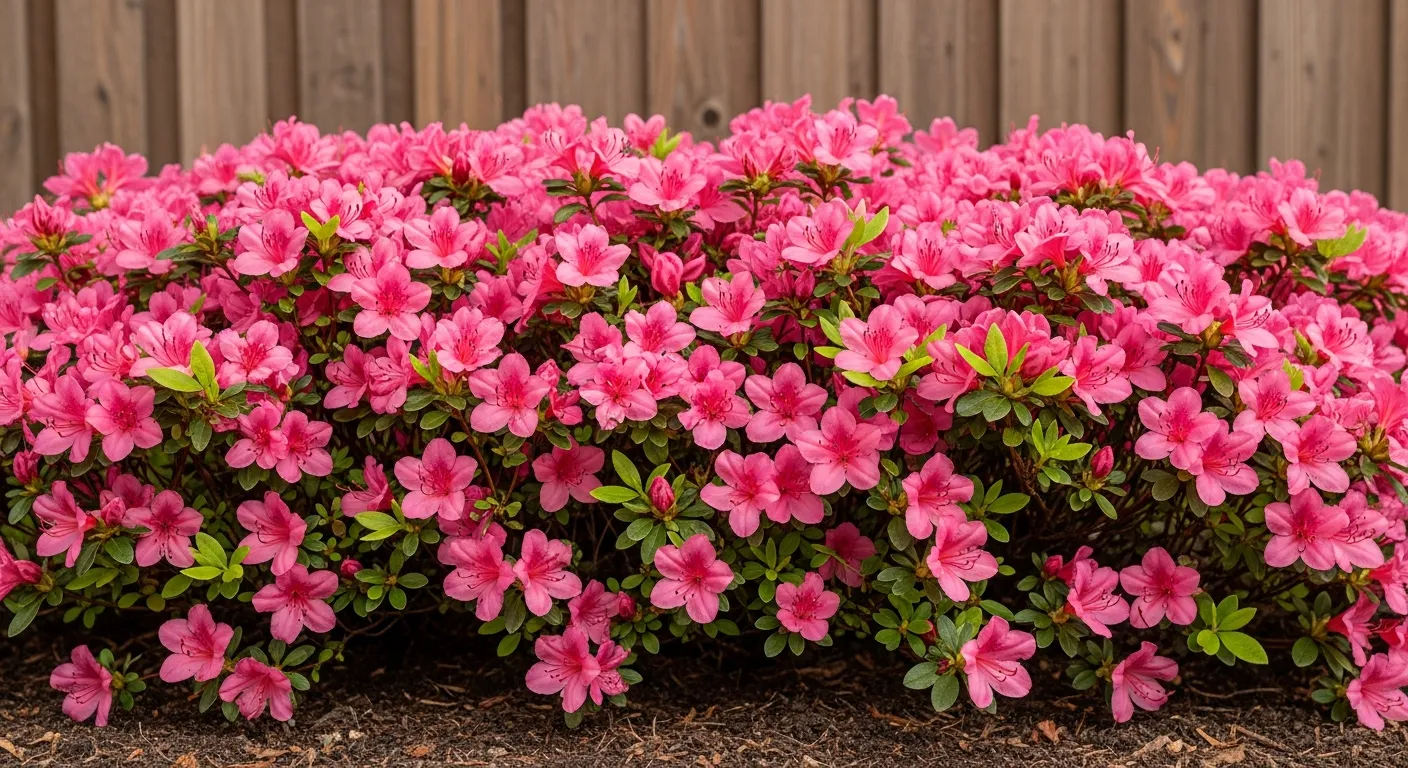
Flowers are the soul of the garden, brightening the space into a vibrant zone. If you are looking to add a small pink flower bush to your garden to transform it into an eye-catching space, you have multiple options. The best thing is that pink comes in various shades, each with its distinct visual impact. This blog highlights the options of a small pink flower bush for your garden.
The Most Popular Small Pink Flower Bushes for Home Landscapes
Here are some popular options for pink-flowered shrubs for your home garden.
1. Rose Daphne (D. cneorum)
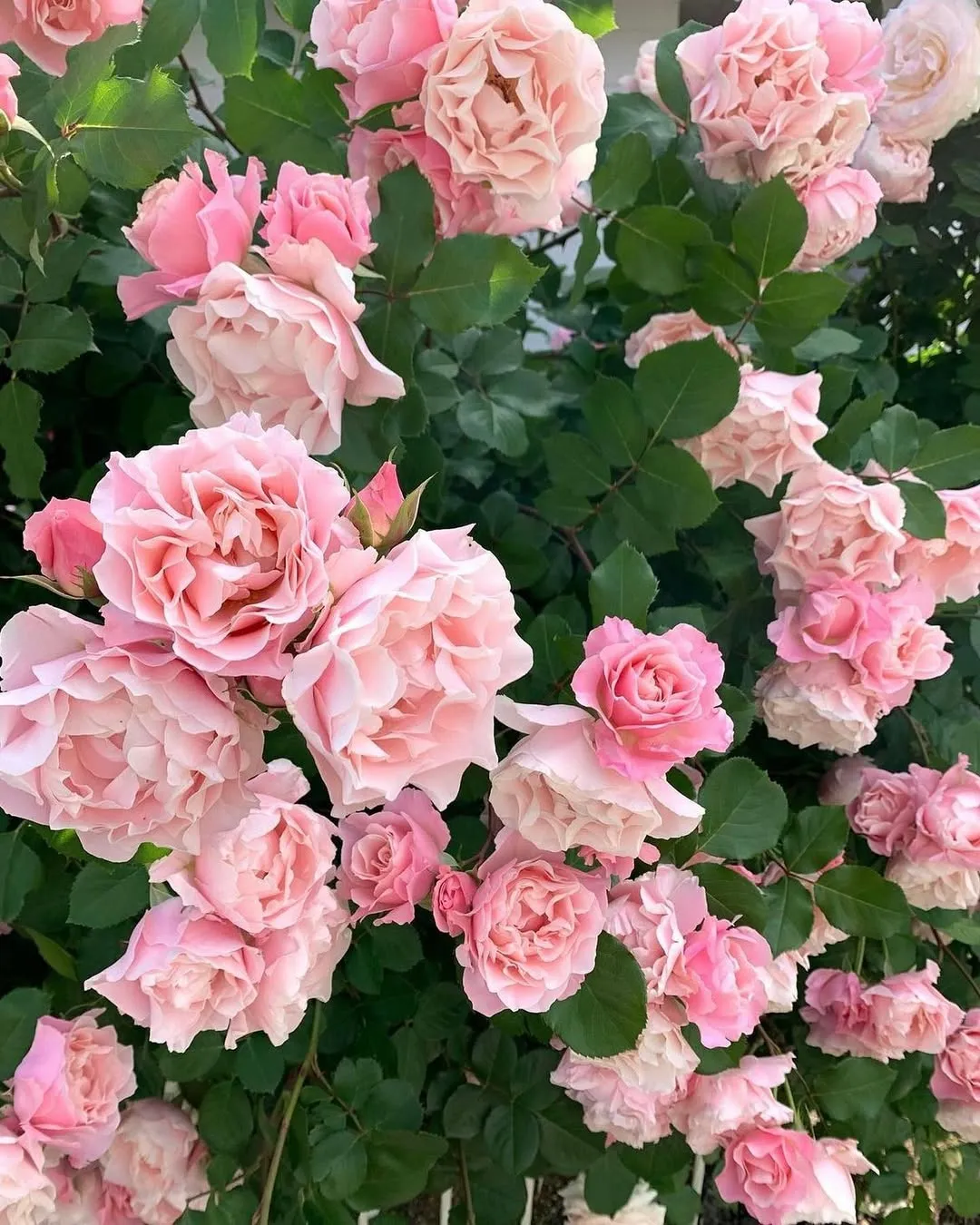
Daphne, also known as “garland flower,” is an evergreen bush with fragrant pink flowers. It is one of the most widely available shrubs.
- USDA Hardiness Zones: 4-9
- Flower Color: Pink
- Light: Requires partial shade
- Soil: Thrive in moist and well-drained soil
- Mature Size: Grows up to 1 ft. tall and 3 ft. wide
- Deer Resistant: Yes
2. Rose of Sharon (Hibiscus syriacus)
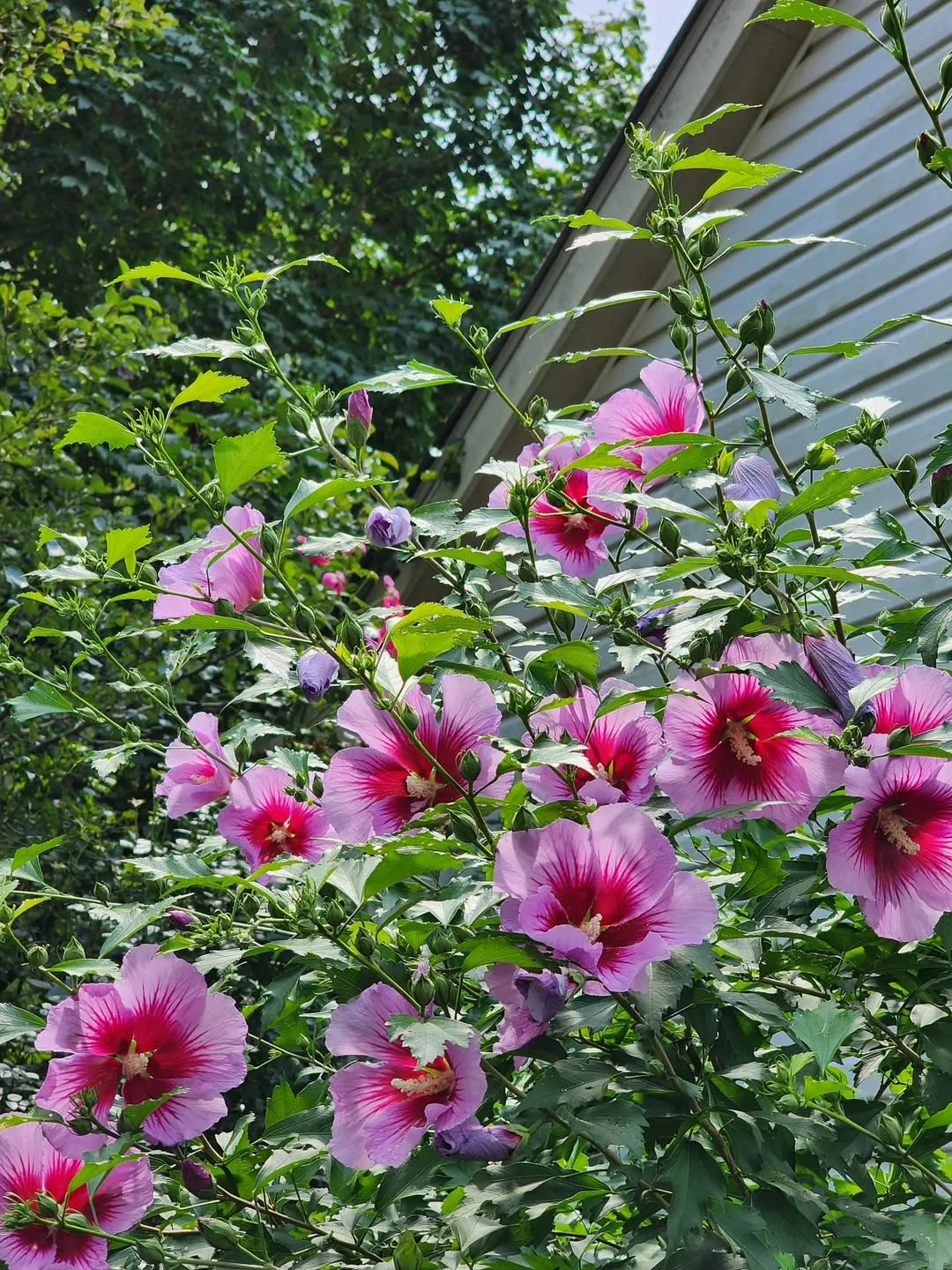
Rose of Sharon is preferred by gardeners because when all other shrubs fade during spring and early summer, Rose of Sharon fills the garden with their beautiful blooms. It also offers two-toned leaves.
- USDA Hardiness Zones: 5-8
- Flower Color: Pink, purple, lavender, red, blue, white
- Light: Requires full sunlight to partial shade
- Soil: Thrive in moist, well-drained, and neutral soil
- Mature Size: Grows between 8-12 ft. tall and 6-10 ft. wide
- Deer Resistant: Yes
3. Bottlebrush Shrub
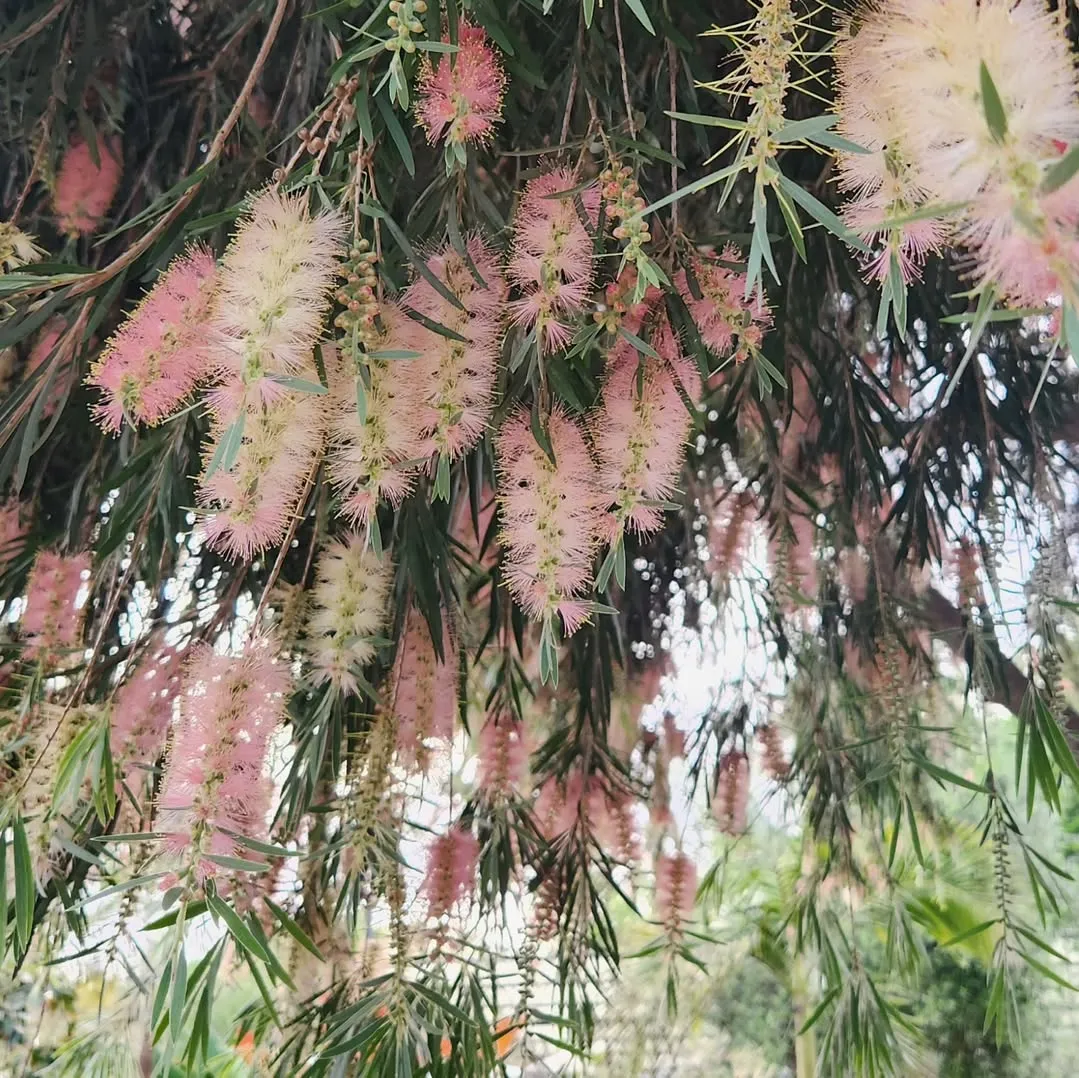
As the name suggests, pink flowers bloom in the shape of a bottle, making them look unique. It requires full sun to grow well and can resist drought. Gardeners prefer bottlebrush for its uniquely shaped flowers.
- USDA Hardiness Zones: 9-10
- Flower Color: White, pink, purple, red, and yellow
- Light: Requires full sunlight
- Soil: Thrive in well-drained soil
- Mature Size: Grows between 10-12 ft. tall and 6-8 ft. wide
- Deer Resistant: Yes
4. Bougainvillea (Bougainvillea)
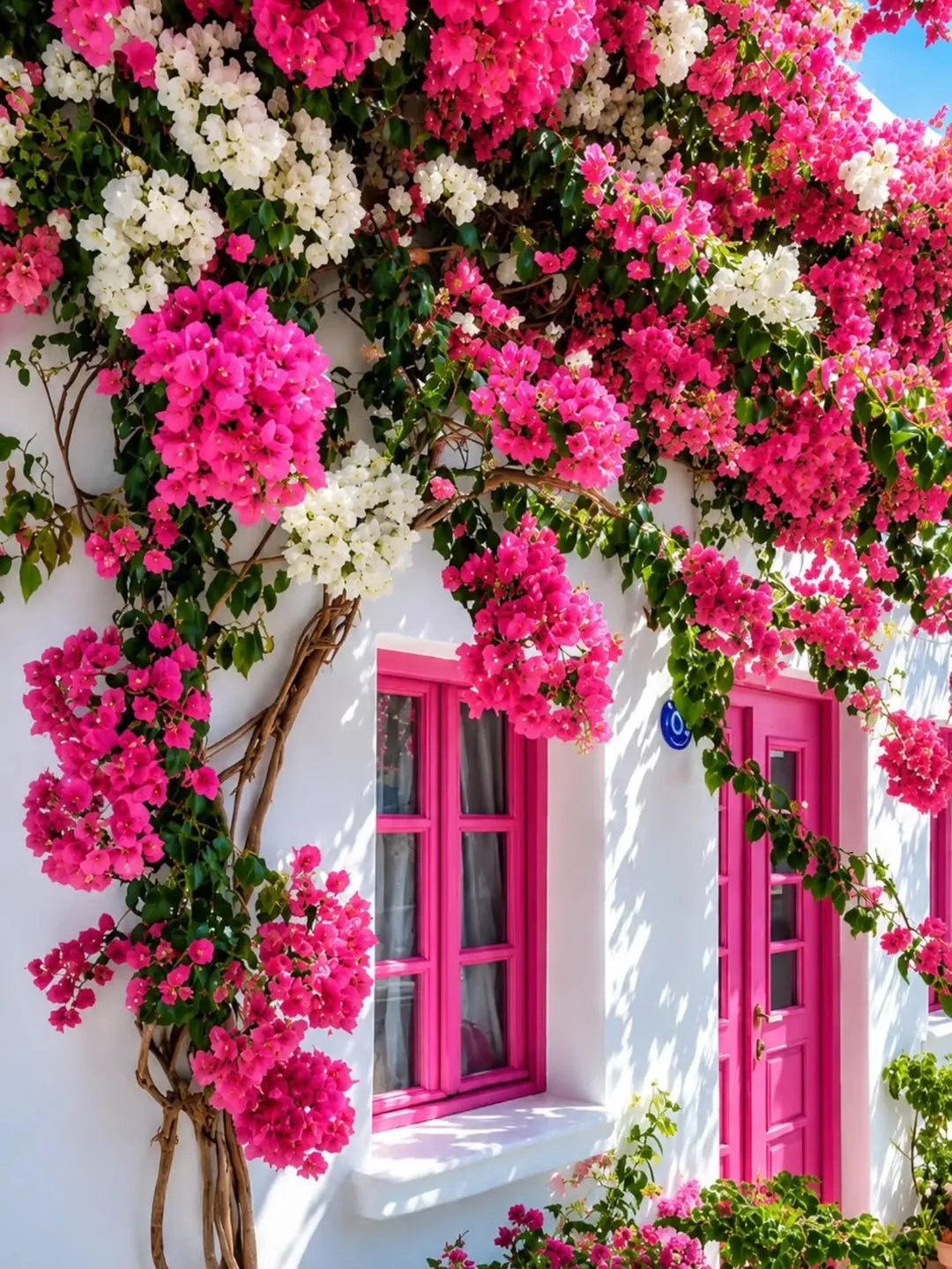
This shrub thrives in warm climates and is appreciated for its pink and magenta flowers and variegated bushes. It should be grown in hanging pots in full sun in colder climates.
- USDA Hardiness Zones: 9-11
- Flower Color: Pink, white, purple, red, and yellow
- Light: Requires full sun
- Soil: Thrive in well-drained and slightly acidic soil
- Mature Size: Grows up to 15 ft. tall and 40 ft. wide
- Deer Resistant: Yes
5. Sargent Crabapple (Malus Sargenti)
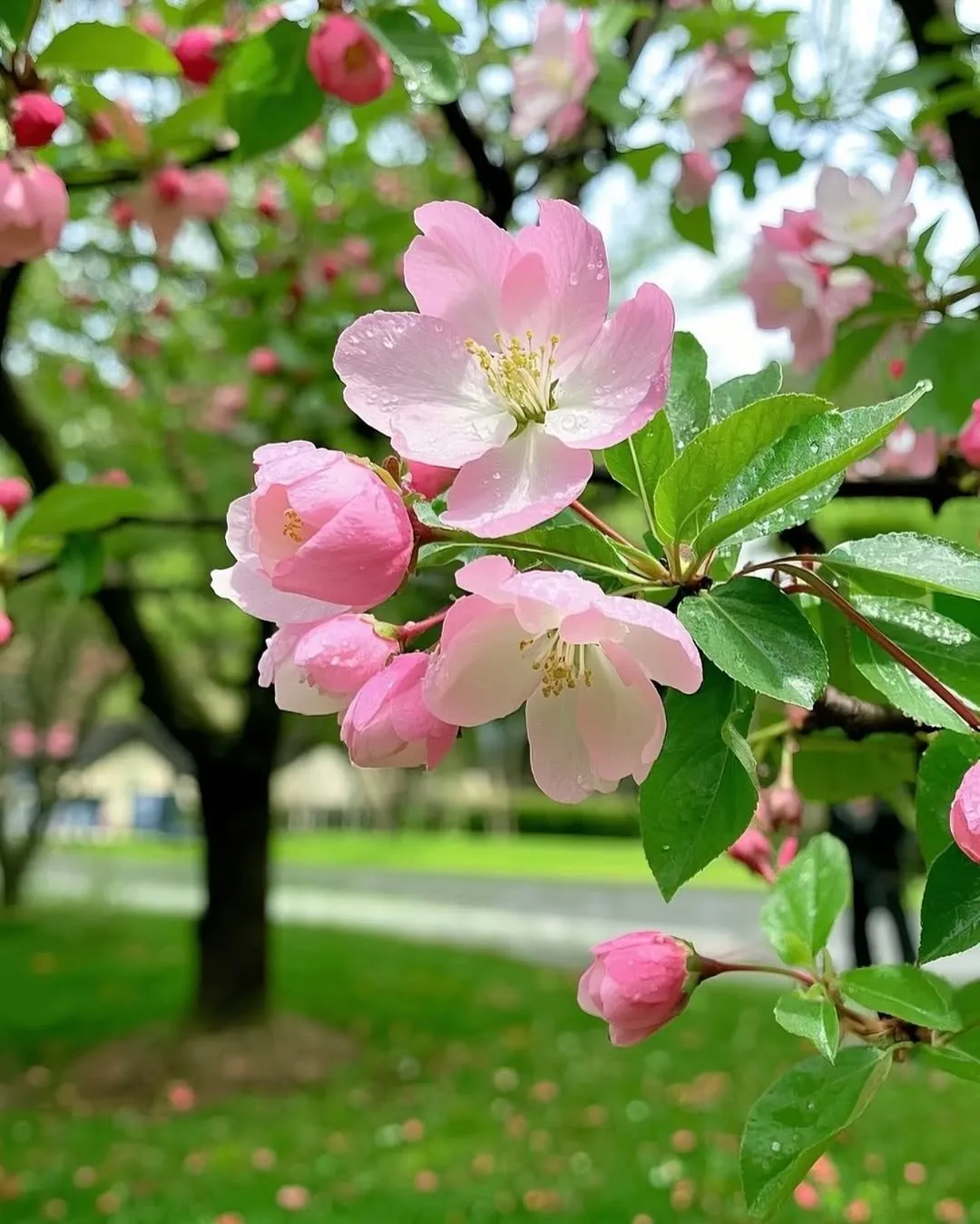
It is a large shrub also grown as a dwarf tree. It blooms soft pink buds that turn into white flowers, retaining just a hint of pink. However, cultivars such as “candymint” and “pink princess” have more pink hue in their blossoms. Crabapple attracts various bird species and pollinators, such as hummingbirds and butterflies. However, once the flower drops, the shrub grows small.
- USDA Hardiness Zones: 4-8
- Flower Color: Pink and white
- Light: Requires full sun to thrive
- Soil: Thrive in well-drained and slightly acidic soil
- Mature Size: Grows between 6-8 ft. tall and 9-15 ft. wide
- Deer Resistant: No
6. Chinese Hibiscus (Hibiscus Rosa-sinensis)
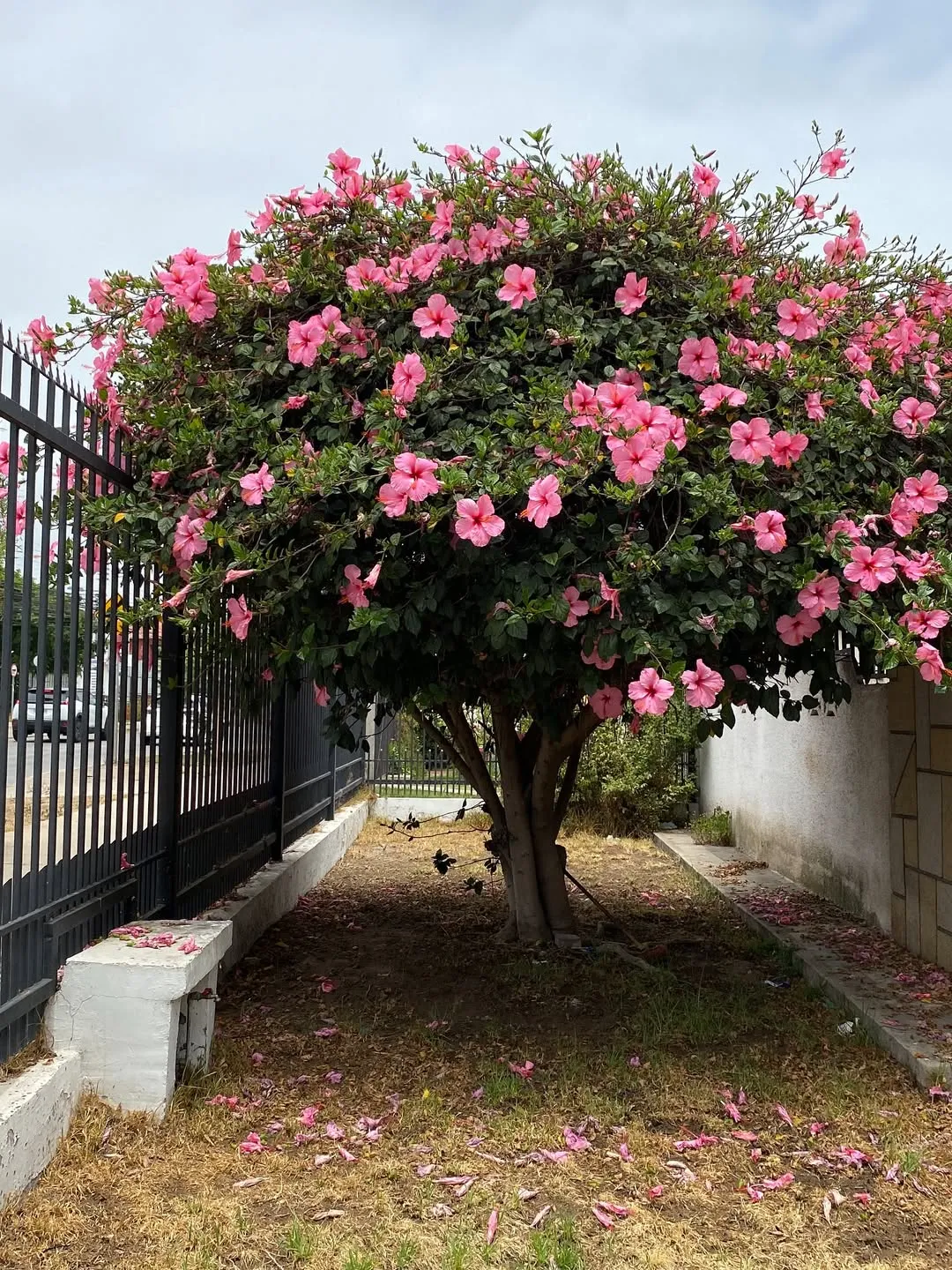
It is the national flower of Malaysia and is often used to decorate royal costumes and even thrones. In the past, their bright blooms were thought to be of medicinal significance and were used as an antidote to poison and many other diseases. However, in modern days, the shrub is more commonly used because of its impactful visual appeal.
- USDA Hardiness Zones: 9-12
- Flower Color: Bright pink
- Light: Requires full sun to thrive
- Soil: Thrive in well-drained soil
- Mature Size: Grows between 4-10 ft. tall and 3-6 ft. wide
- Deer Resistant: Yes
7. Bird-In-A-Bush ‘George Barker(Corydalis solida)
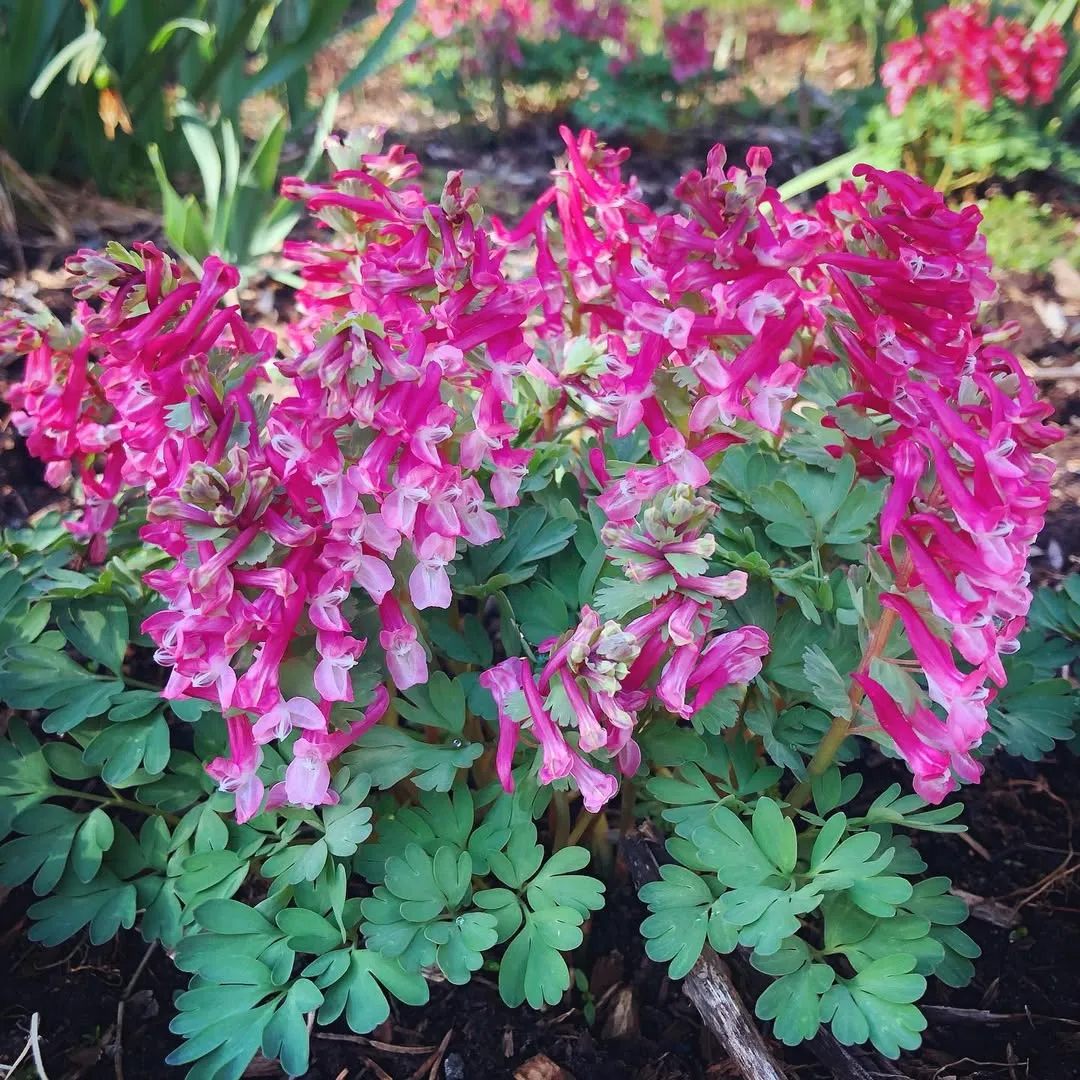
This shrub, also known as “fumewort,” is actually a perennial that can be pruned into a shrub. Just like a traditional shrub, it has dense foliage in the spring and covers beds or borders. However, the foliage dies with the onset of summer, leaving behind tuberous root stalks until the next blooming season. During the peak blooming season, it produces stunning flowers and fern-like, lush leaves. All of these enhance the look of a first-tale forest.
- USDA Hardiness Zones: 4-8
- Flower Color: Bright pink
- Light: Requires full to partial sun to thrive
- Soil: Thrive in well-drained and fertile soil
- Mature Size: Grows 10 ft. tall and wide
- Deer Resistant: Yes
8. May Bush (Spiraea cantoniensis)
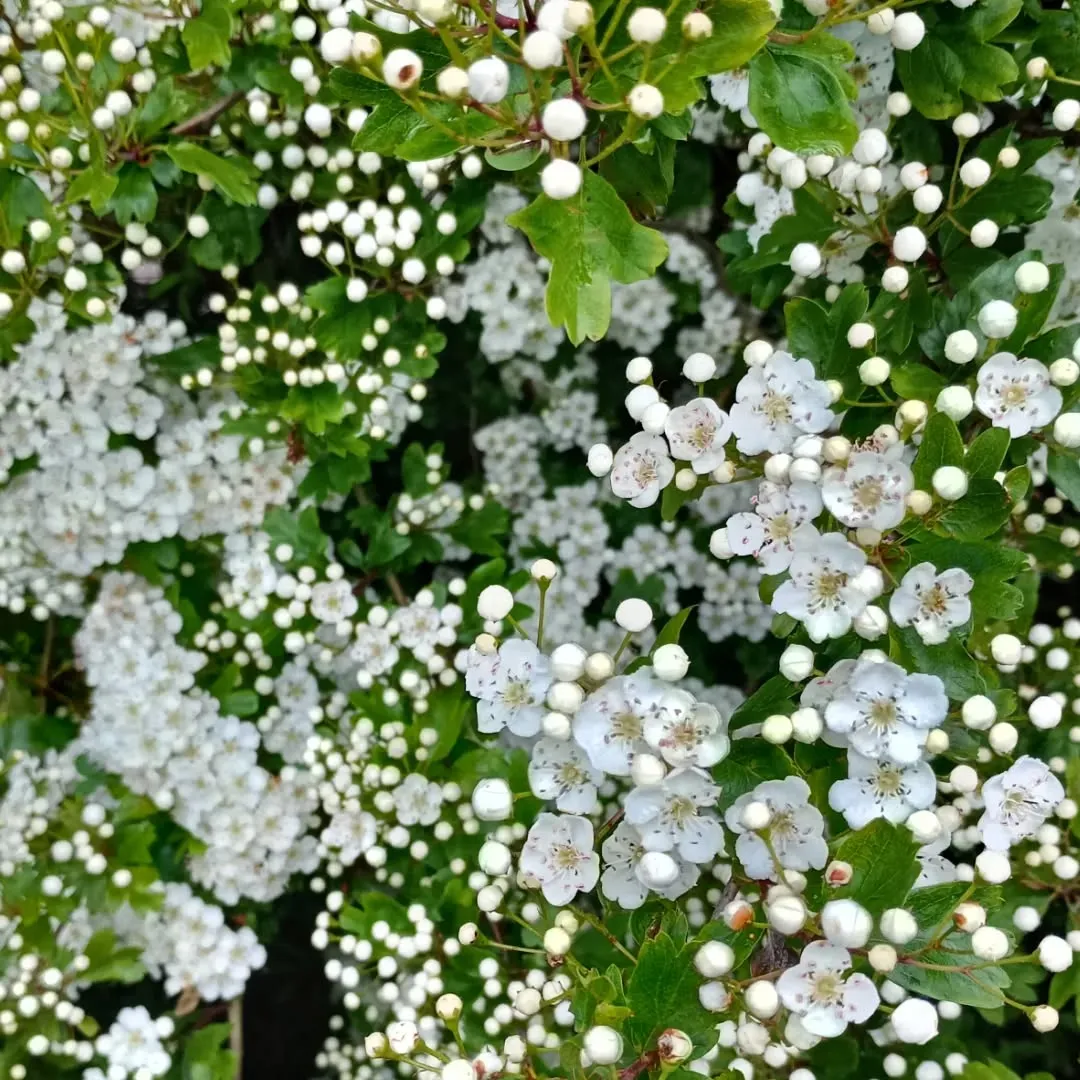
It is a perennial shrub that blooms a bunch of frothy pink or white flowers on hanging branches in the month of May. It is resistant to drought, salt, and heat, and can be grown easily. It is also resistant to many pests and disease problems.
- USDA Hardiness Zones: 5a-8a
- Flower Color: Pink and white
- Light: Requires full to partial sun to thrive
- Soil: Thrive in Clay, loamy, well-draining soil
- Mature Size: Grows between 4-6 ft. tall and 3-5 ft. wide
- Deer Resistant: Yes
9. Tree Peony (Paeonia Suffruticosa)
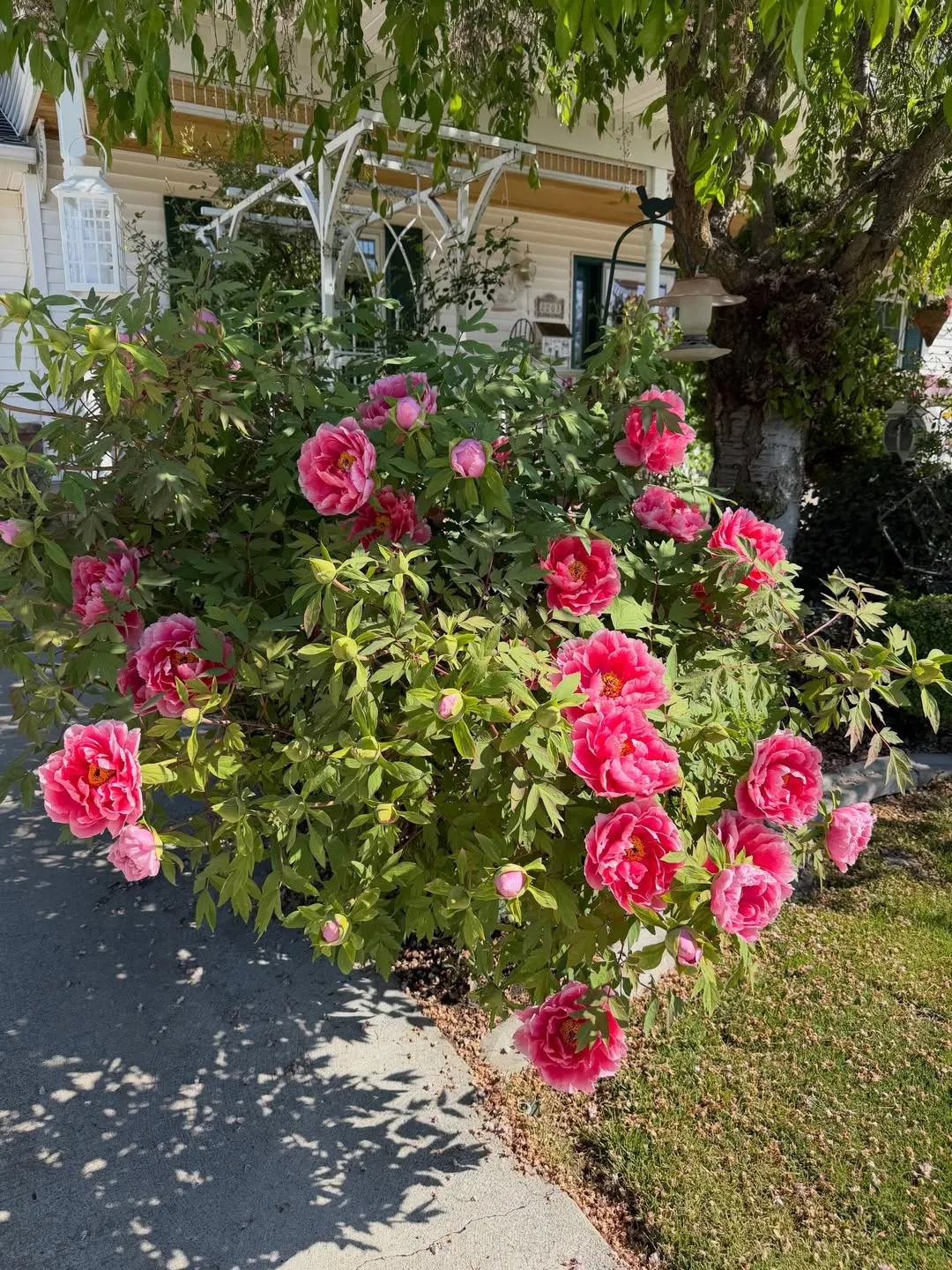
It is a deciduous shrub that blooms in spring. It produces large, fluffy, and fragrant flowers in white, red, pink, purple, and yellow. The blooming period lasts 10 days in mid to late spring. It is often used as a hedge or border along the pathways and driveway.
- USDA Hardiness Zones: 4-8
- Flower Color: White, pink, purple, red, yellow
- Light: Requires full to partial sun to thrive
- Soil: Thrive in loamy, neutral, and alkaline soil
- Mature Size: Grows between 3-5 ft. tall and 3-4 ft. wide
- Deer Resistant: Yes
10. Chinese Fringe Flower (Loropetalum Chinense)
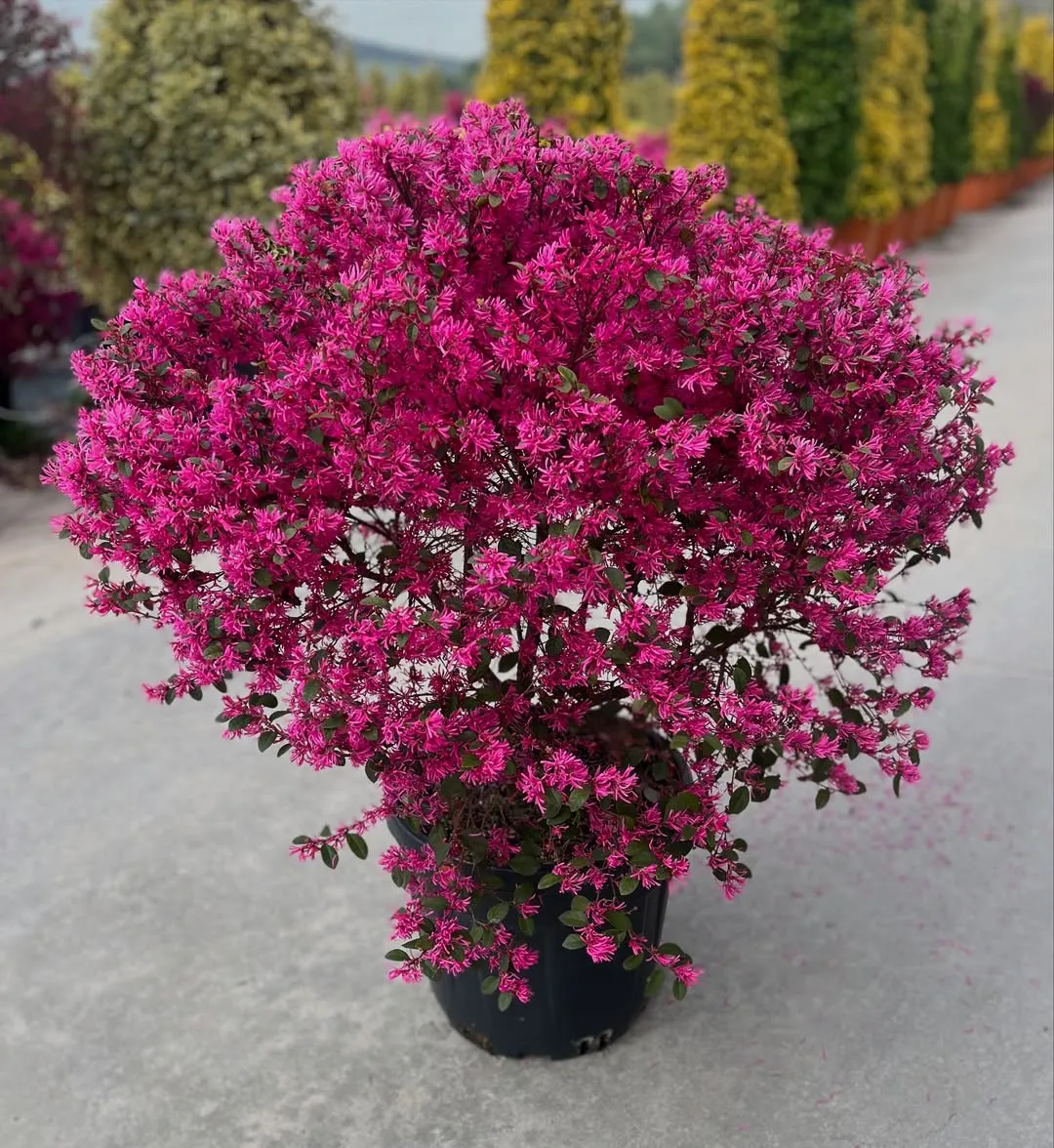
It resembles a Bottlebrush bush in terms of its unique shape and color. Strap-like petals contain the blooms.
- USDA Hardiness Zones: 7-10
- Flower Color: Pink, red, white, yellow
- Light: Requires full to partial sun to thrive
- Soil: Thrive in well-drained, acidic, and neutral
- Mature Size: Grows between 6-10 ft. tall and wide
- Deer Resistant: Yes
11. Pink Rose Shrub
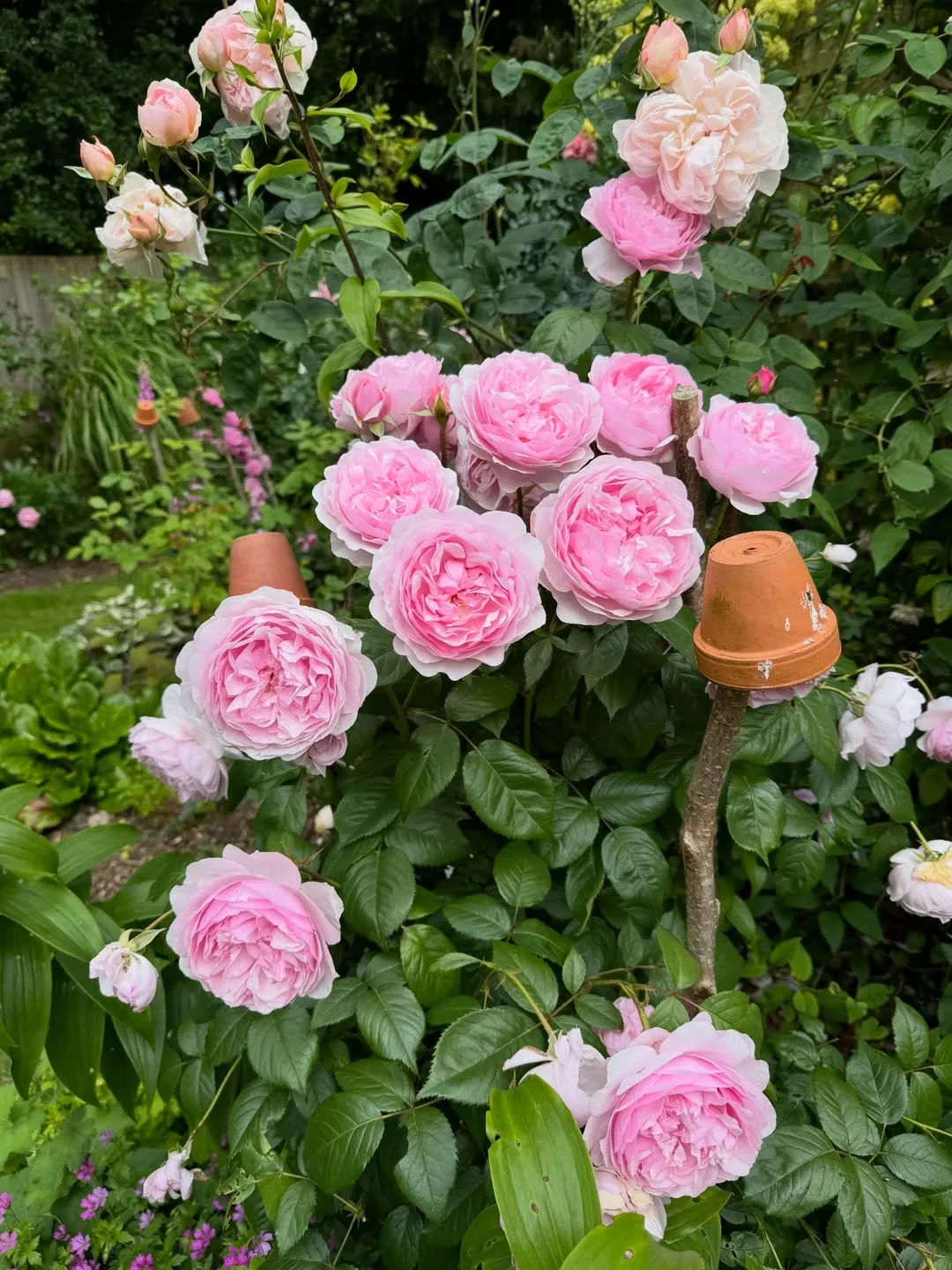
There are many pink roses, but if you prefer a low-maintenance variety, opt for Rosa rugosa, Pink Supreme Flower Carpet, or Oso Happy Smoothie. All of these are known by the common name “Rose Bush”.
- USDA Hardiness Zones: 5-9(depends on variety)
- Flower Color: White, pink, purple, red, orange, yellow
- Light: Requires full sun to thrive
- Soil: Thrive in rich and well-drained soil
- Mature Size: Grows up to 3 ft. tall and 4 ft. wide
- Deer Resistant: Yes
Low-Maintenance Dwarf Shrubs with Year-Round Appeal
Pink flower bushes are of varied shapes and sizes. Here are some of the varieties of dwarf shrubs that produce pink flowers.
1. Azalea (Rhododendron spp.)
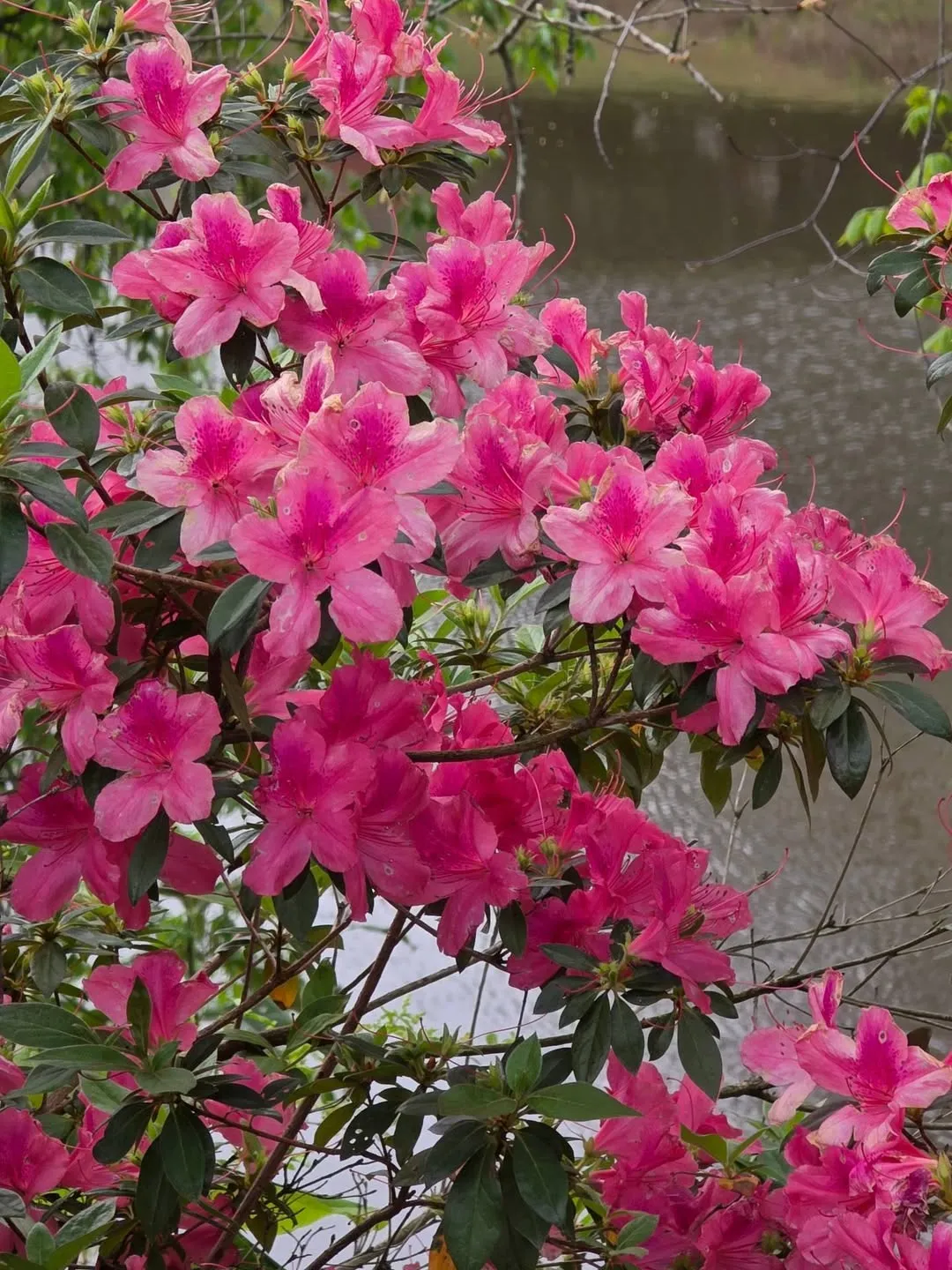
Azalea shrubs grow best in spring and mostly produce pink flowers. It is a slow-growing dwarf that produces evergreen leaves.
- USDA Hardiness Zones: 6-8
- Flower Color: Pink, white, purple, red, orange, and yellow
- Light: Requires full to partial shade
- Soil: Thrive in well-drained and acidic soil
- Mature Size: Grows up to 3-20 ft. tall and wide
- Deer Resistant: No
2. Boomerang Dwarf Pink Lilac (Syringa)
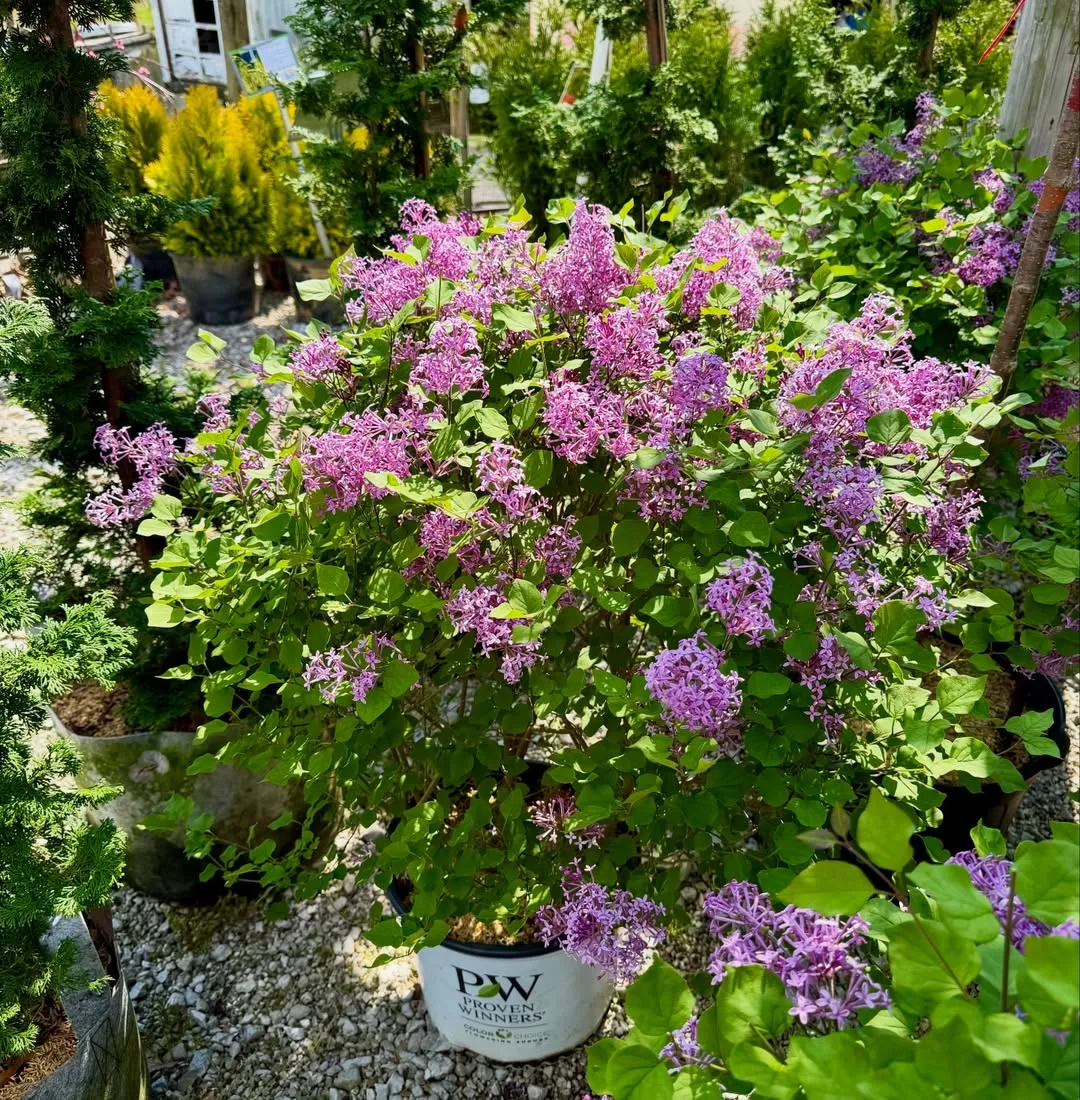
This is often used as a hedge or container plant in the garden. The best feature is their repeat blooms in late spring and throughout the summer. It attracts many pollinators, such as bees, butterflies, and hummingbirds, with its cone-shaped, fragrant flowers. The bright pink color looks absolutely stunning, and it grows with minimal effort in fertile soil under full sun.
- USDA Hardiness Zones: 4-7
- Flower Color: Pink
- Light: Requires full sun
- Soil: Thrive in fertile soil
- Mature Size: Grows between 2-3 ft. tall and wide
- Deer Resistant: Yes
3. Deutzia (Deutzia spp.)
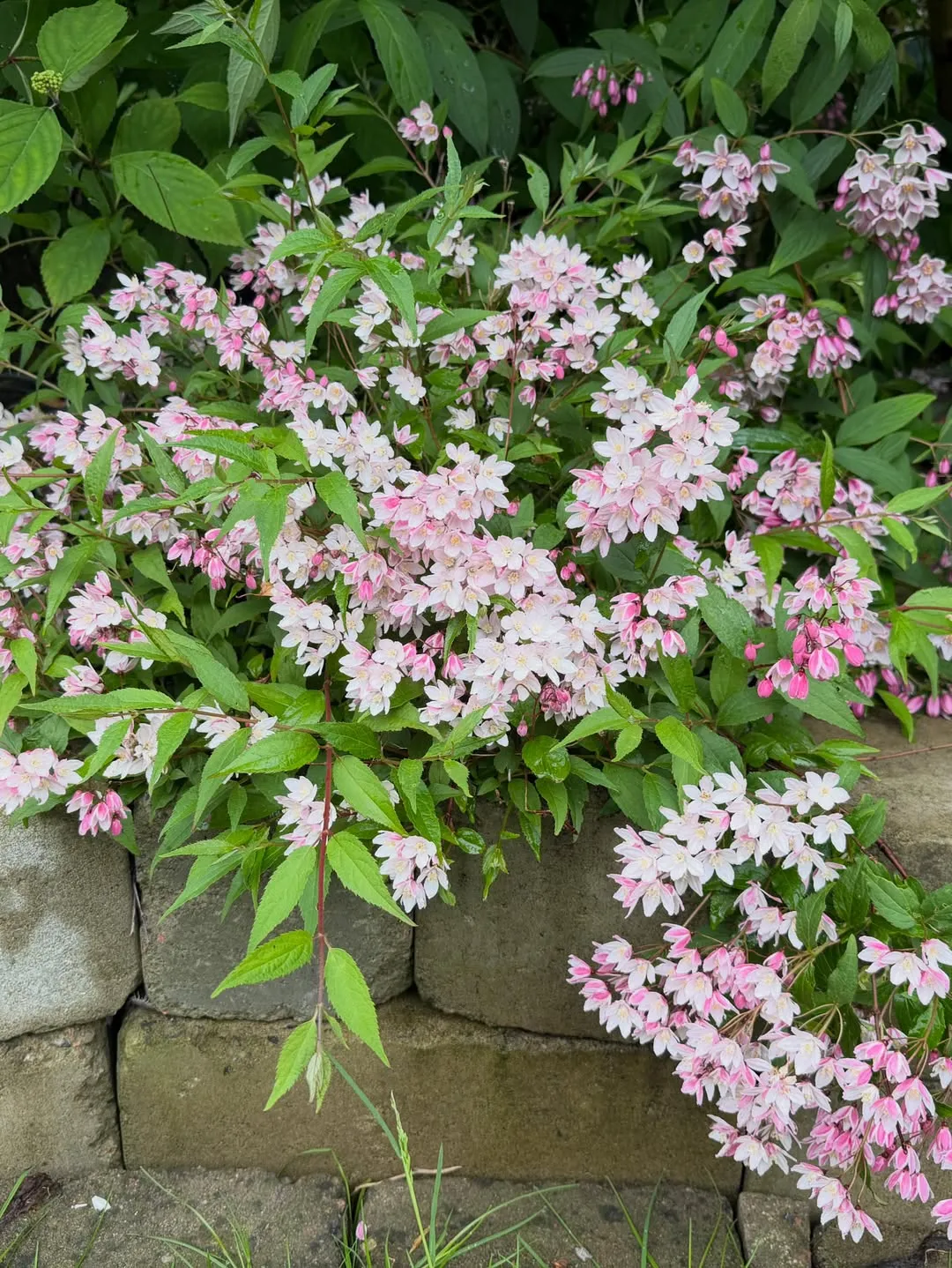
Deutzia belongs to the hydrangea family and gives white or pink flowers that bloom from spring to early summer. This deciduous shrub attracts pollinators like hummingbirds and butterflies with its fragrant flowers. Though Deutzia grows taller, the dwarf version “ deutzia “NCDX2” merely grows to 2 ft. tall.
- USDA Hardiness Zones: 5-8
- Flower Color: Pink and white
- Light: Requires full or partial shade
- Soil: Thrive in moist and well-drained soil
- Mature Size: Grows 10 ft. tall and 8 ft. wide
- Deer Resistant: Yes
4. Dwarf Crape Myrtle ‘Pink Velour’
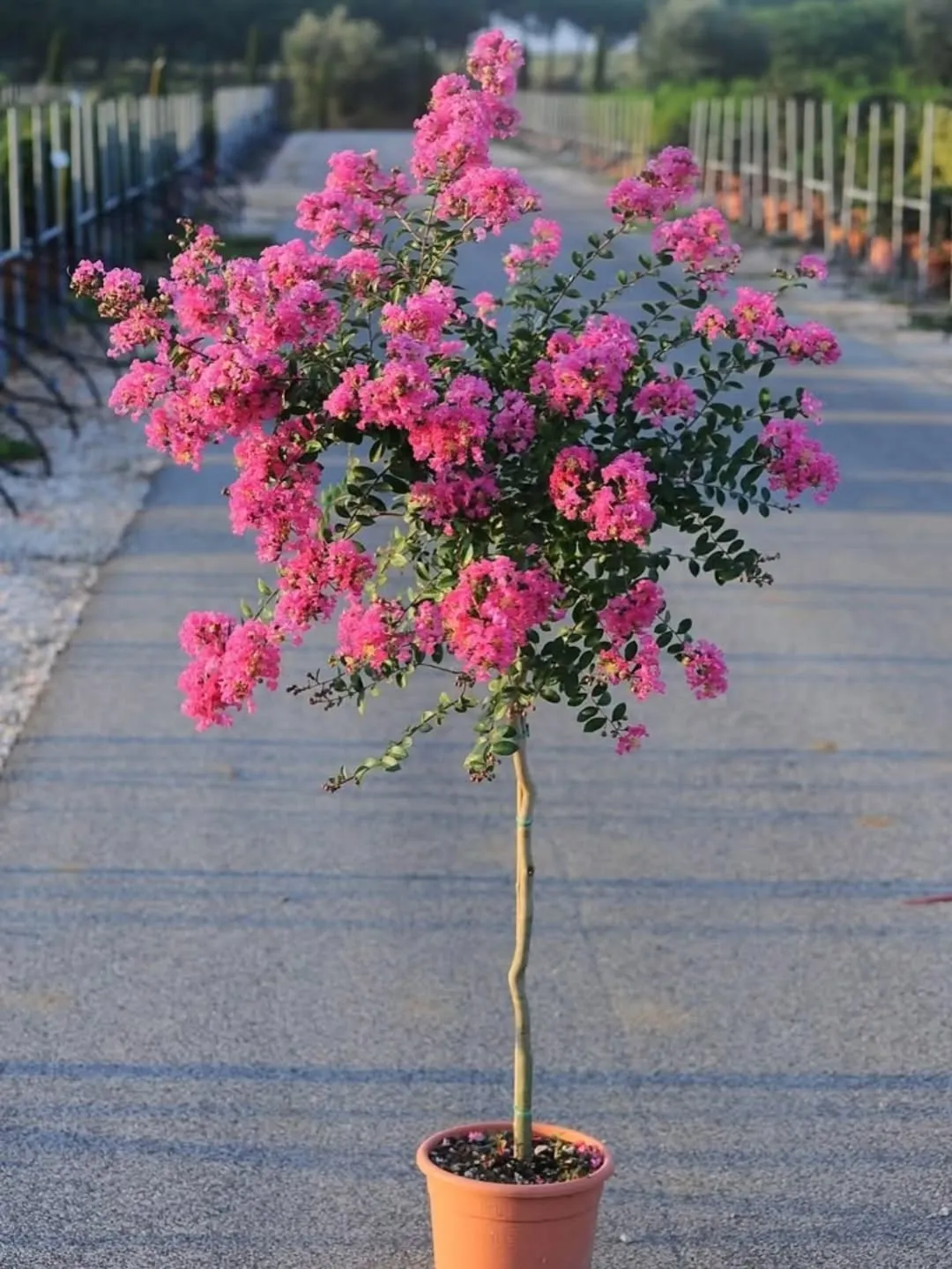
Dwarf crape myrtle is a compact and disease-resistant shrub that blooms from June to September with beautiful, rosy-pink, crinkled flowers. Compared to old cultivars, it is more resistant to powdery mildew and Cercospora leaf spot. Avoid pruning large branches, as it can result in vertical growth and reduced flowering. It requires slow-release nitrogen-phosphorous-potassium fertilizer in early spring.
- USDA Hardiness Zones: 6-10
- Flower Color: Pink
- Light: Requires direct sunlight
- Soil: Thrive in well-drained soil
- Mature Size: Grows 4-5 ft. tall
- Deer Resistant: Yes
Essential Care Tips for Vibrant Pink Blooms
No matter how stunning the shrub is, essential care tips can help maintain its vibrancy. Here are some of the tips:
Watering
- Water newly planted shrubs deeply once a week.
- Once the shrub is established, water it only when the top 2 inches of soil are dry.
- Water them less frequently in the rainy season.
- In summer, aim for 1 inch of weekly watering.
- Be careful in the fall, as many shrubs enter semi-dormancy and need little or no water. Overwatering can cause root rot.
Fertilization
- Check the soil; if it shows low potassium levels, apply sulfate of potash in January.
- Apply slow-release, low-P fertilizer in early March and repeat the process for fast-growing varieties such as firebush and lantana.
- Don’t fertilize in extreme heat because the shrubs don’t need nutrients.
- Never fertilize by mid-September, as late feeding promotes new growth that falls prey to early frost.
Pruning
- An important caring tip is to prune dormant shrubs and remove diseased branches. Always sterilize the pruning tools with a 10% bleach solution between two plants.
- To encourage repeated blooms, shear lantana, firebush, and dwarf crape myrtles.
Mulch
Mulching helps retain moisture, which reduces the need for frequent watering. Also, collect fallen leaves from roses and crepe myrtles.
Apply Insecticidal Soap
If you identify aphids, scale, or spider mites, either introduce beneficial insects such as lady beetles or predatory mites or apply insecticidal soap.
Regular Maintenance
If you notice yellow leaves with green veins, it indicates iron deficiency, which is commonly seen in alkaline soil. Hence, apply a chelated iron drench rather than foliar sprays.
Conclusion
This blog discusses several varieties of small pink-flowered bushes. Each variety brings a unique feature and shade of pink. Their caring needs also vary. Choose the shade of pink that you like the most and fill your garden with vibrant flowers.