

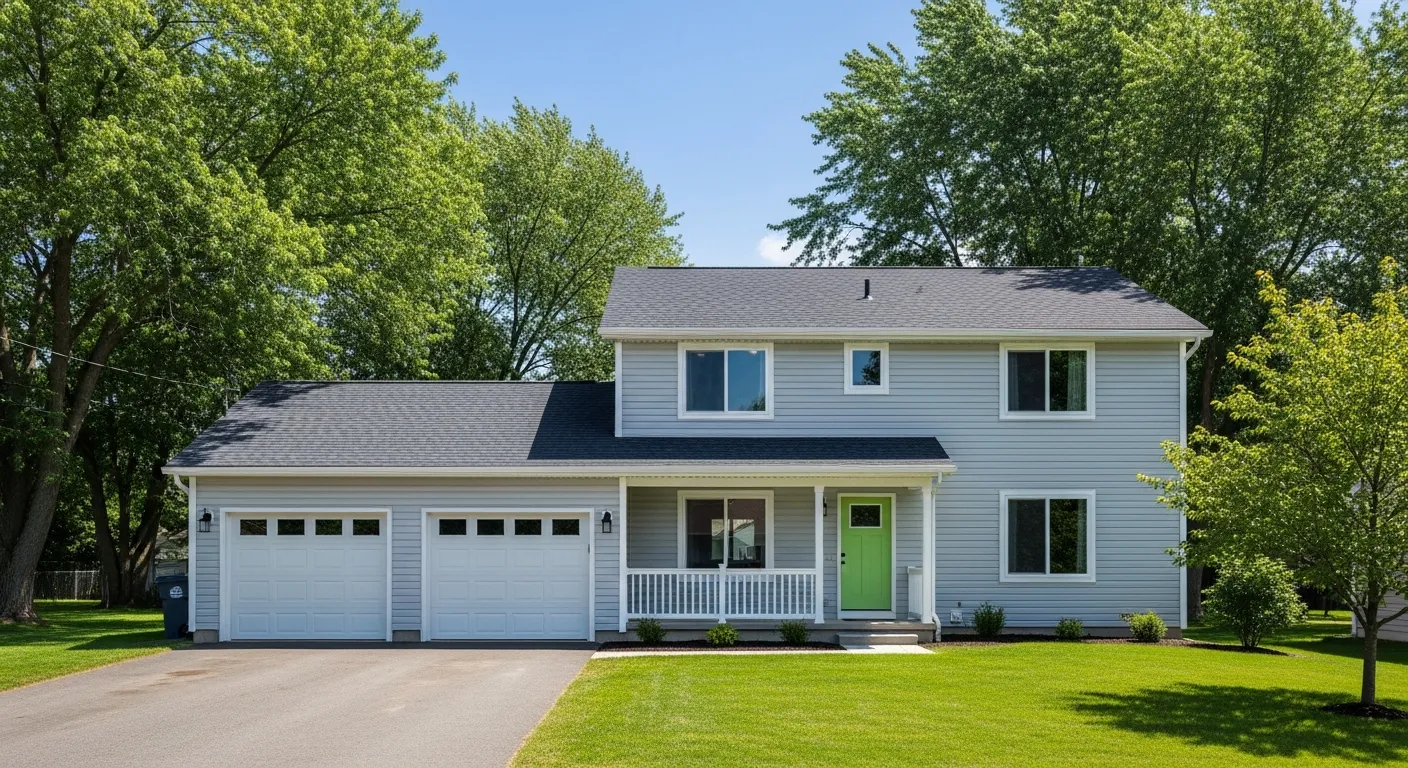
The size of the garage door, especially the width, should be enough to allow a car to enter without hitting the sides. However, the width of a standard garage door depends on the number of cars you have, the size of the car, and the need for extra storage, etc. This blog explores all you need to know about standard garage door width, so read until the end to learn more.
What is the Size of the Standard Garage Door Width?
A standard garage door fits almost all homes and can house a car. These measurements are not random; they have been designed based on years of building trends, the needs of the homeowners, and the size of the vehicles. There are two types of standard garage doors: standard single and standard double. Here’s the width of both standard garage doors:
Standard Single Garage Door
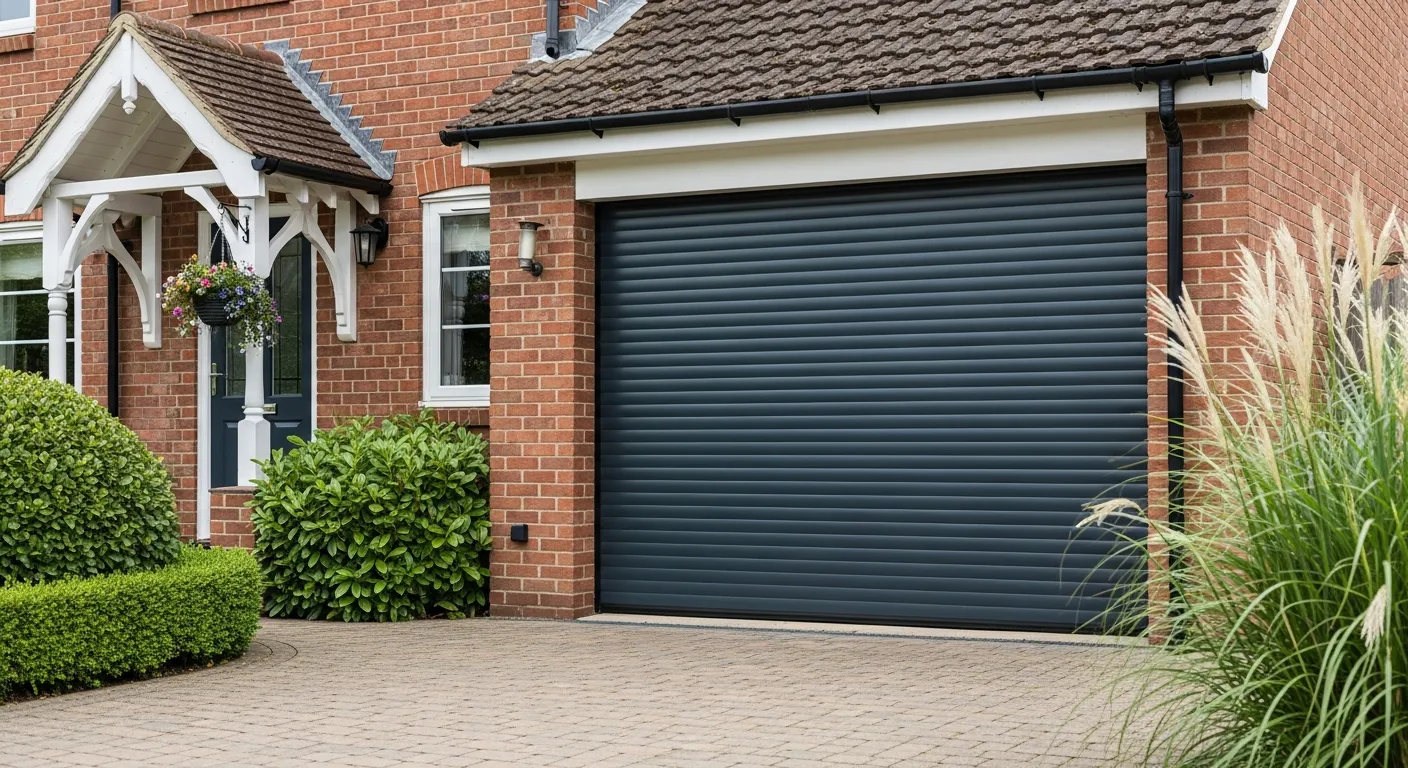
This is best for homes with a single car, and this size has proven to be the most functional. The most common widths found in traditional homes are 8 feet and 9 feet, with a height of 7 feet. This garage is designed to accommodate a single car while leaving some room for storage.
However, in modern homes, people prefer the 9-foot width garage door, which gives a good area clearance for loading and unloading, and parking.
Standard Double Garage Door
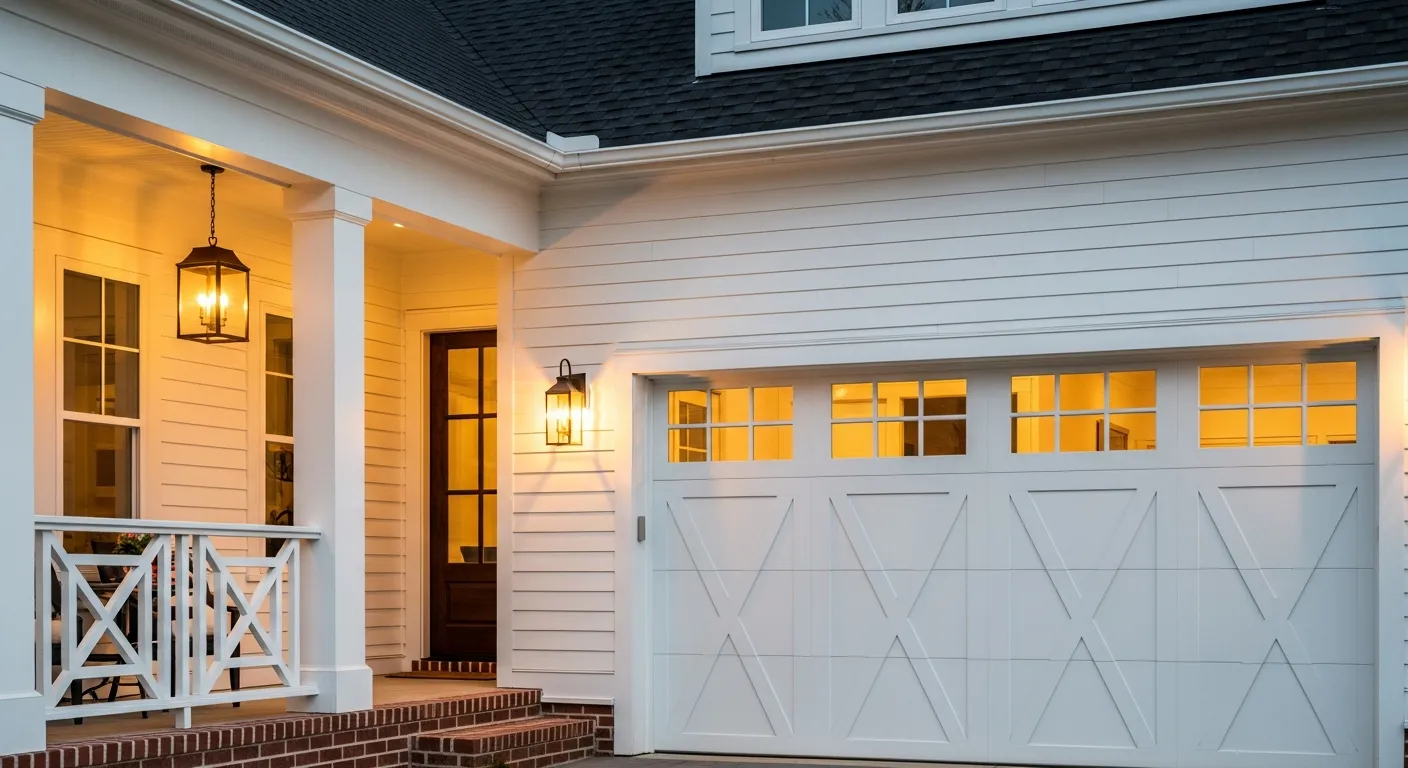
If you have a garage that fits two cars, you should look for a standard double garage door, which is approximately 16 feet wide. This size is spacious enough to park two cars side by side without feeling congested.
Additionally, you’ll also have room to put some of your items. This door size is quite popular among suburban homes. However, there are some homes with a wider garage door.
What are Some Uncommon Garage Door Dimensions?
While most garages have a standard door size, some of them require a custom or specific garage door. For example, a half-size garage of 1.5 or 2.5 car garages offers more space for a workshop and storage. Whereas a five-car garage can accommodate all your cars and motorbikes, in addition to your projects. With this, you can add a few more feet to the standard size, which can help you achieve the size you need.
What Factors Influence the Size of the Garage Door?
Here are certain important factors that influence the size of the garage door -
- Type of Garage: Consider the type of garage you have, whether it is detached or attached.
- Storage: If you like to store lawn items, such as mowers, or your hobby items, in addition to parking cars, you should get a wider door. This is because your garage is likely bigger.
- Size of the Vehicle: Check if the garage is wide and deep enough to house various sizes of the vehicles you own.
- Number of Vehicles: Consider all your vehicles, including smaller and lightweight ones, such as motorbikes, scooters, and bicycles.
- Additional Features: See if you want your garage to be more than just a space to store cars. Some people turn a section of their garage into their workspace for arts, crafts, and other projects.
How to Measure a Garage Door?
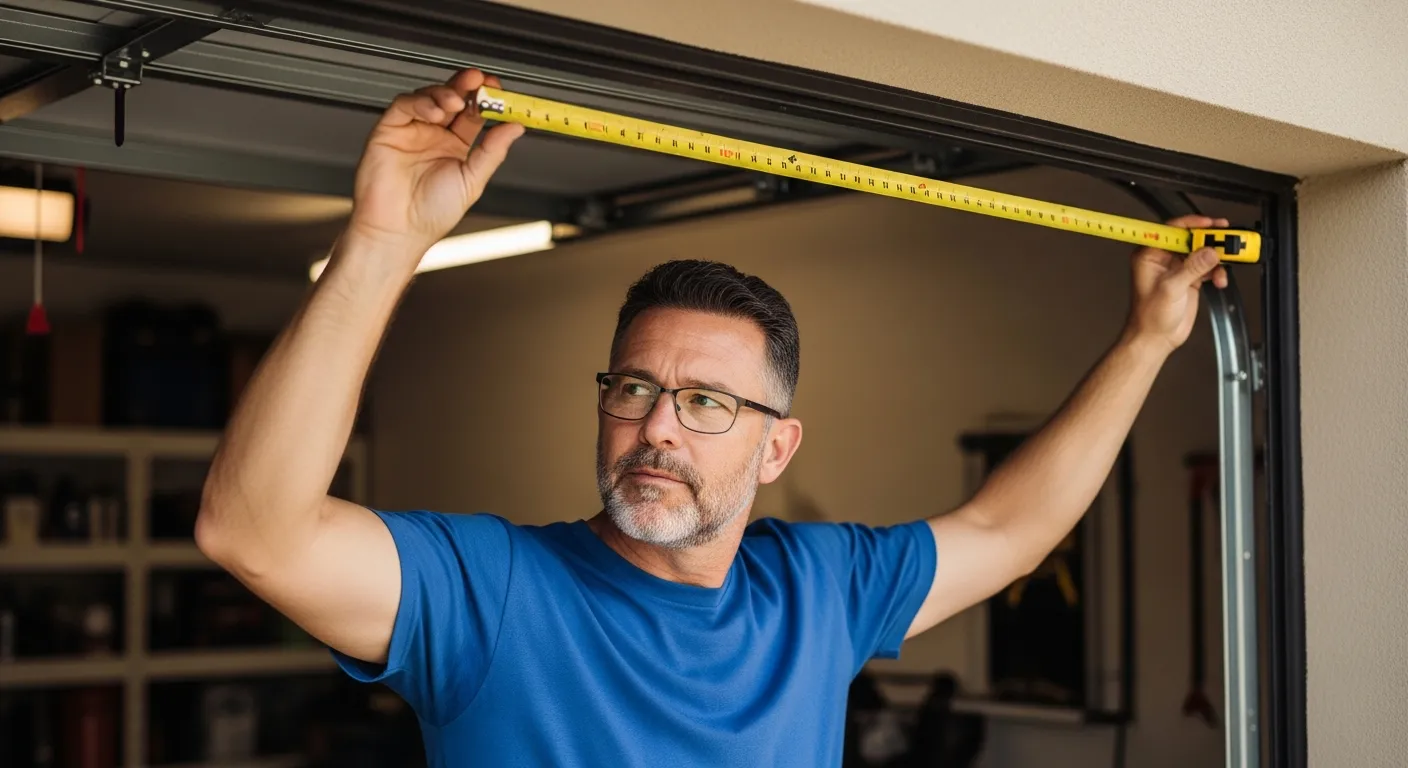
You need to properly measure the garage door and its dimensions. To ensure you get the perfect width, you need to measure it accurately -
Measure the Rough Opening
The rough opening is the area where the garage door will be installed. Measure the width of the door opening in inches, and add some extra inches on each side for safety. When you measure the width, don’t forget the height. Measure from top to bottom, and remember to add some extra inches for insulation.
Measure the Side Room
The side room refers to the space on the left and right sides of the rough opening. If you want a vertical track system with torsion springs, then you need 3¾ inches on both sides. Some systems might even require 5 1⁄2 inches on each side.
Measure the Headroom
You also need to measure the headroom. For this, measure the vertical space between the top of the door opening and the garage ceiling. Most standard garage door systems need 10-12 inches of headroom, and the door opener requires a clearance of 3 inches, on average.
Measure the Backroom
Determine the dimensions of the backroom by measuring from the door opening to the back wall of the garage. Most garages need space equal to the door height, with an additional 18 inches. However, this may vary depending on the automatic opener used.
Conclusion
A standard garage door width differs depending on several factors, such as the number of vehicles, the space inside the garage, the size of the vehicles, and many more. Single door garages can range from 8-10 feet wide, while the double door garage may run from 12-18 feet wide. While this is a common width range, you can also find garage door widths of 20 feet or more.