

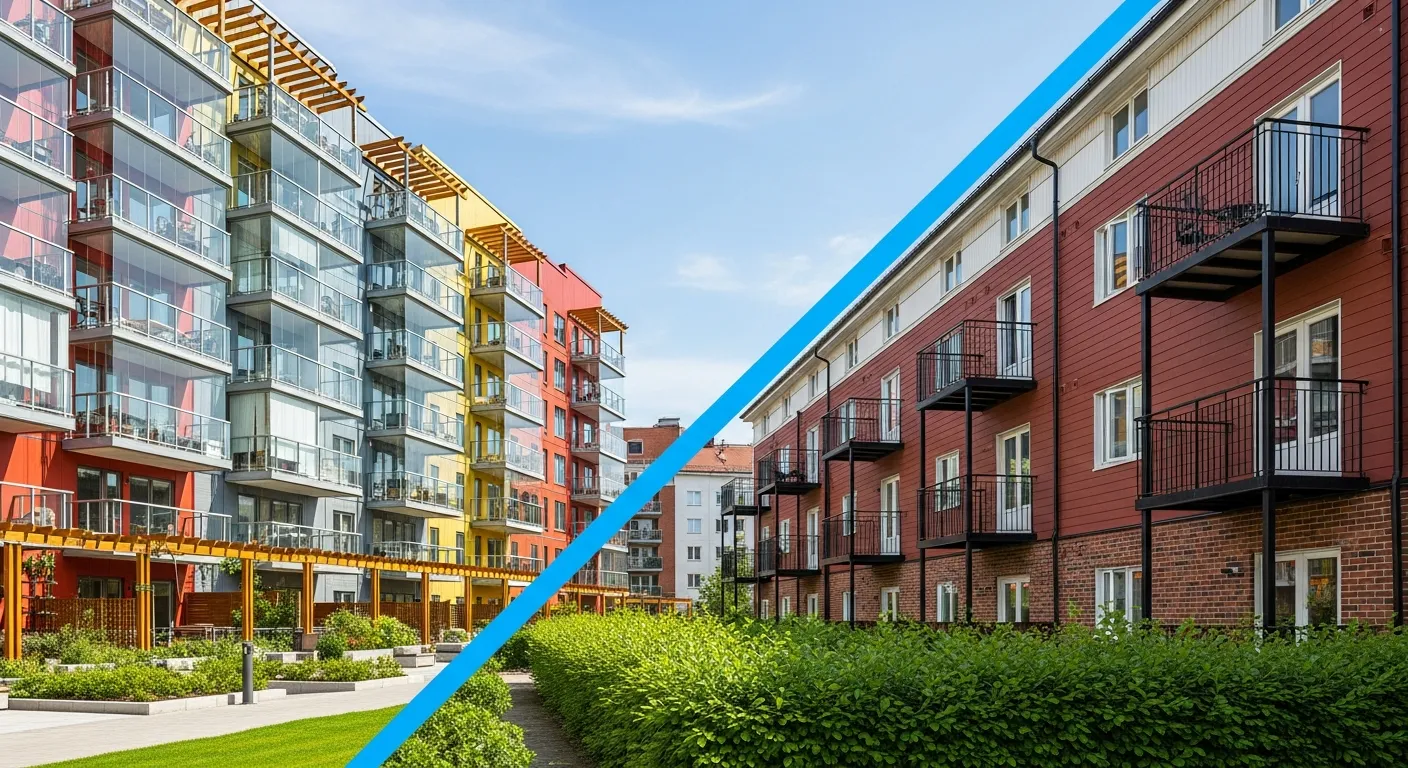
Condos and apartments may seem like the same thing at first glance. However, they have several differences, and understanding them can help you make better decisions. An apartment is usually rented, whereas a condo is owned privately. Though condos give you more flexibility in control because of the ownership, they also come with additional responsibilities, such as maintenance costs, association fees, etc.
On the other hand, apartment services are mostly handled and managed by the landlords, making them a convenient option for those who want fewer responsibilities. This blog explains the difference between a condo and an apartment to help you make better choices.
What is a Condo?
A condo is a private residence in a larger community. The first condo was made in 1960 in Salt Lake City. It is considered the best option for first-time buyers or those who are looking to downsize their living space.
What is an Apartment?
An apartment living is unique, as the owners are not landlords. Instead, they are owned by private property managers and have strict rules that have mostly nothing to do with the HOA.
5 Differences Between a Condo and an Apartment

Here are the differences between a condo and an apartment-
Ownership
Condominiums, also known as condos, are individually owned and then rented out privately. Renting condos generally includes the owner and the prospective tenant. Thus, allowing a personalized decision-making about who can lease the apartment while offering flexibility on rental agreement conditions. However, some condos are also managed by professional property management companies. They manage the common areas of the community and regulate the rules and regulations of the property.
Whereas apartments are mostly owned by property management companies, which rent and manage all the units. Thus, creating a systemized and standard approach to the process of leasing. These apartments are usually located in residential buildings and complexes with a community. The owning companies provide strict guidelines that all tenants have to adhere to in the units and the common areas.
Maintenance and Fees
Both condos and apartments require maintenance responsibilities and associated fees. Condo owners pay a monthly HOA (Homeowners Association) fees that go towards maintaining common areas and may include services, such as landscaping, shared amenities, and security. But, damage caused inside the individual unit is the sole responsibility of the owner.
In apartments, on the other hand, landlords are mostly liable to pay for the maintenance and repairs. Tenants do not pay HOA fees; however, they might have to pay an additional amount for certain amenities or services like parking.
Amenities
You can find appealing amenities in both condos and apartments. However, condos may offer more luxurious features, such as swimming pools, fitness centers, rooftop lounges, etc. But the quality of these amenities varies depending on the size of the condo community. Moreover, you could also find beautiful features in the home, such as granite countertops, hardwood flooring, personalized paint in the space, beautiful backsplashes, etc.
Apartments also offer standard amenities, which are included in the rental package. However, some may not be as high-end as those in the condos. But you might also find dog parks, tennis courts, and valet services, in case you rent a high-end and luxurious property.
Rent
There is no set price for the rent in any apartments or condos, and no one can say if one is more expensive than the other. The rental price is always set depending on the neighborhood. So, the price may or may not be the same. Hence, it is always advised to talk about complete and transparent information on the pricing.
However, if you seek any additional upgrades or added amenities, that definitely factors into the pricing. So, if you want to rent any one of the options, always consider focusing on your budget and what rental price can meet it.
Rules and Regulations
- Every condo and apartments have certain rules and regulations, but the governing bodies are different.
- For apartments, property management companies outline the rules in the rent agreement, which every renter is obliged to adhere to.
- Whereas, for condos, the rules are set by the HOA, which may also include certain restrictions, and also regarding renovation, in addition to pets and noise level.
- It is mandatory to follow the rules no matter which option you choose, as failing to do so might lead to severe consequences.
Which One Should You Consider - Apartment or a Condo?
The decision of choosing between the two can be demanding, as each has its own advantages and disadvantages. For example, if you’re unsure of the time period you’ll be staying, renting an apartment is a good idea.
However, if you plan to stay in the area for a long time and take responsibility for cleaning and maintaining the property, then consider opting for a condo. Amidst all these, there are some other factors that you need to take into account, such as-
Cost
Condos are required to be purchased. Even if you get a mortgage, you need to make a down payment, which is usually 3.5% to 20% of the property amount. If you don’t have the money for paying upfront, you’ll have to rent it out. This requires minimal upfront cost and includes the rent for the first and last month, including one month’s security deposit.
Home Equity
As a condo owner, you can gain equity in the property over time. This is one of the biggest advantages over renting an apartment. As condo owners pay down their mortgage, their ownership stake increases every month. After you completely pay off the mortgage, you can own the property. Whereas an apartment requires paying rent to the landlord, without getting anything in return.
Freedom
As a condo owner, you can make changes to the property. You can paint the walls, renovate the kitchen, remodel the bathroom, or the bedroom, etc. However, renting an apartment does not allow you to make any permanent changes without the permission of the landlord or the property management company.
Quality of the Housing
Since homeowners care more about their homes, condos are built and maintained in a better manner. However, an apartment may not be that appealing.