

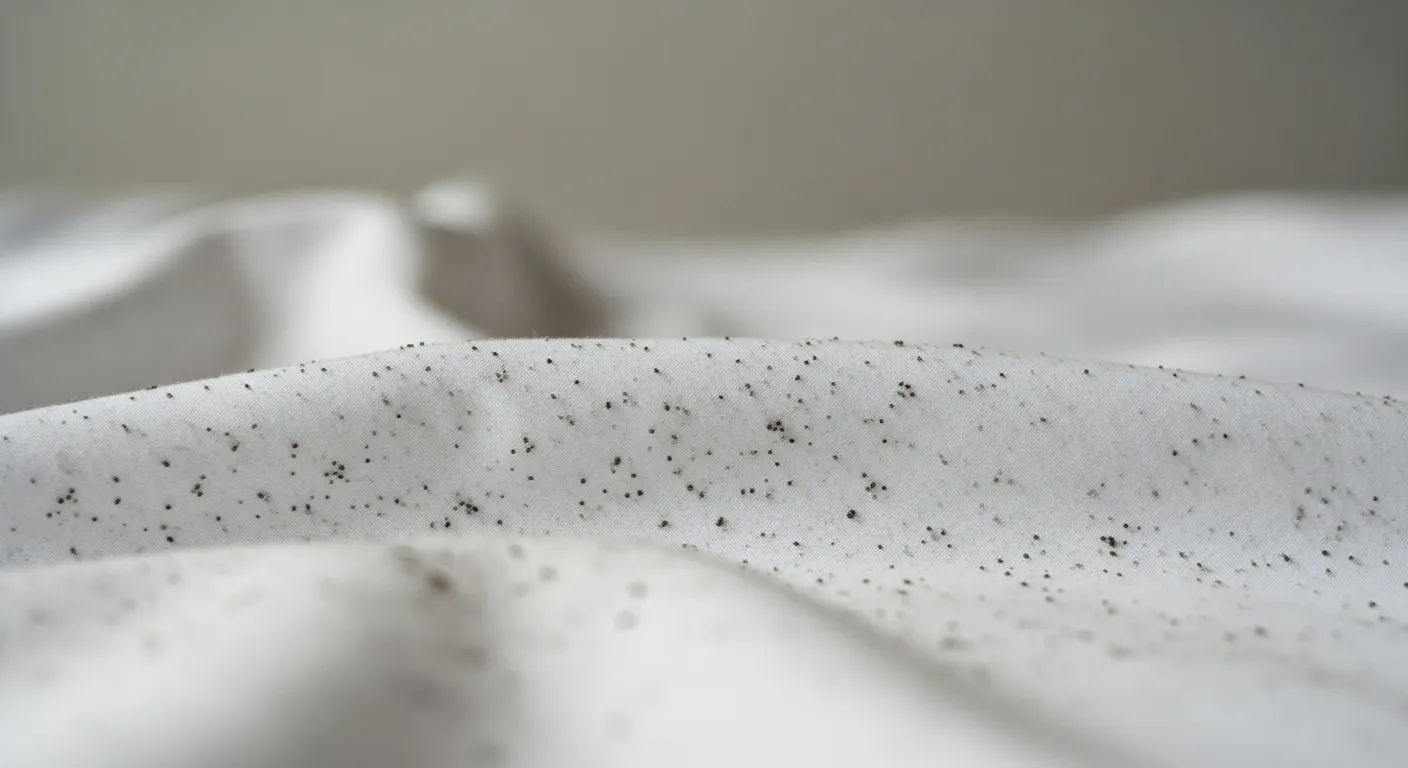
Finding bed bug marks on sheets can be unsettling to homeowners. Bed bugs are tiny pests that hide in little nooks and corners, especially around the beds, as the name suggests. These tiny insects are active feeders that often come out in the dark and leave behind organic stains, which are usually blood spots or bug droppings.
In addition to this, other signs of their presence include bites on skin, reddish stains on fabrics, and tiny bed bug eggs scattered on sheets. Understanding what bed bug marks on sheets look like and where to find them helps homeowners detect the problem of possible infestation.
How to Recognize Bed Bug Marks?
Bed bug droppings are one of the common signs of an infestation. These insects feed only on human blood, and their droppings are made up of digested food. Therefore, these are specific traces that can easily be identified.
Here are a few tips to identify the stains:
Appearance
The droppings appear as small black or brown spots that are quite similar to ink blots. The bugs usually cluster together near areas where bed bugs hide, such as mattresses, box springs, the seams of sheets, or along baseboards.
Location
These stains appear around mattress seams, on pillows, in the cracks of the box spring, or in furniture near the bed. The stains can also show up on walls or behind the headboard.
Texture
The droppings are dry and will spread slightly when rubbed with a damp cloth. This leaves behind a brownish mark.
The droppings often appear alongside dead bed bug skins or whitish eggs. These are clear signs of an infestation.
How to Remove Bed Bugs from Bed Sheets?
If bed bugs have taken over bed sheets, then it's best to implement effective removal methods. Here are a few methods to do it.
Washing and Drying Methods
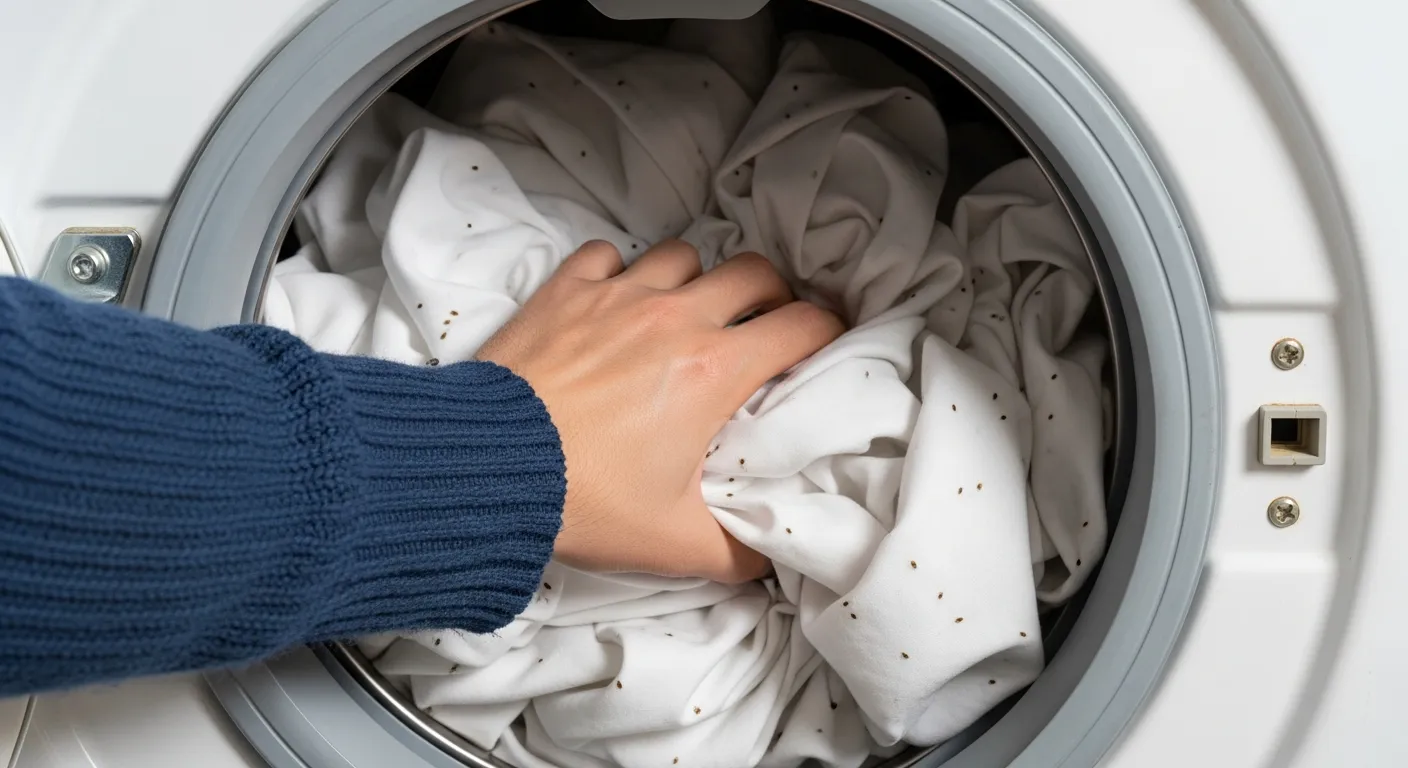
Bed bugs cannot survive when the temperature is above 113 degrees Fahrenheit. To get rid of bed bugs from heavily infested items, wash and dry them using high heat settings. As for the wash cycle, set the temperature to 140 degrees for 90 minutes. For the dry cycle, keep it on high heat for 30 minutes.
It is important to move items from the bedroom to the laundry in tightly sealed plastic bags. This prevents the pests from spreading to other areas of the home.
Vacuuming and Steaming
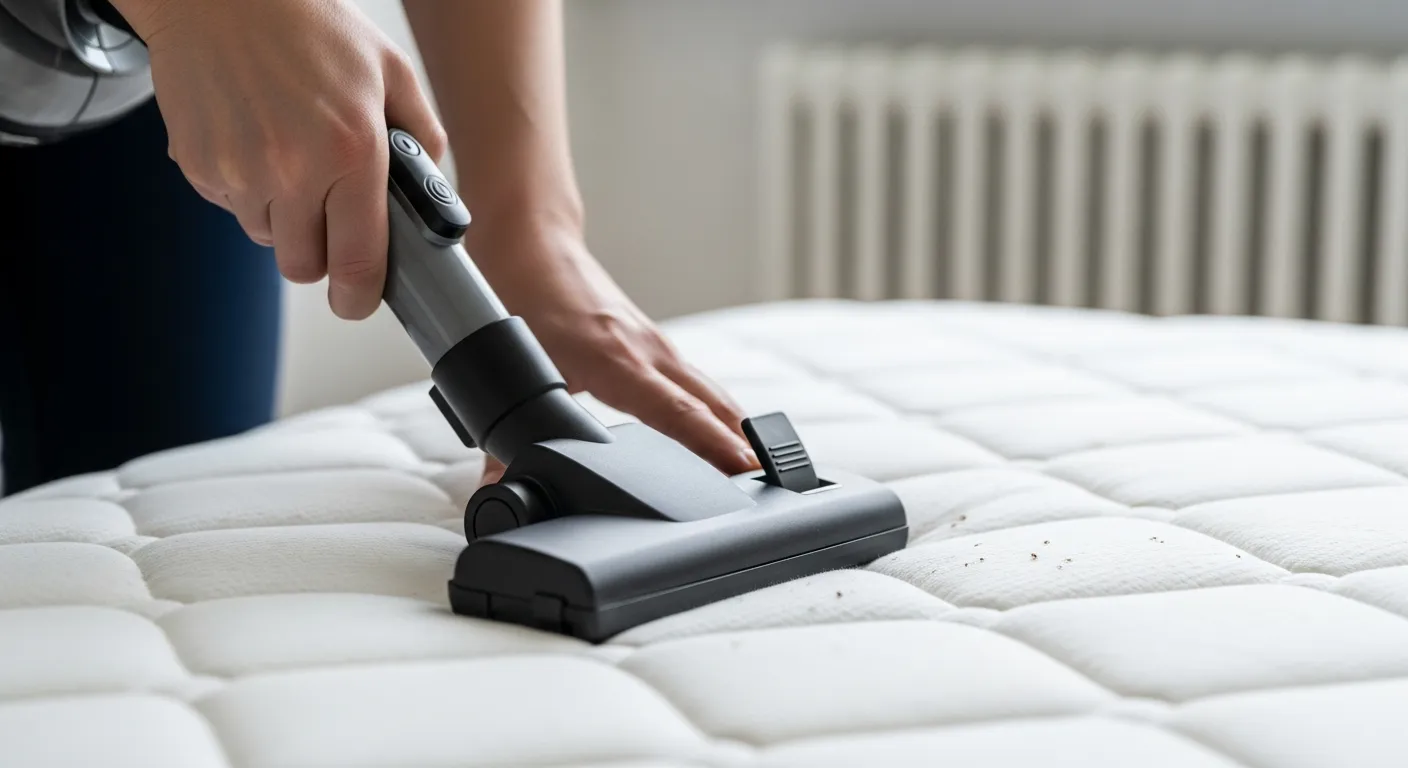
For items that cannot probably go into the washer, it is best to use vacuums and heat steamers. Make sure to set the steamer at high heat, at least 130 degrees Fahrenheit. You can also consider using a diffuser, which prevents airflow from blowing bed bugs away.
However, it is important to note that vacuums can remove bed bugs from an area, but they will not kill them. Throw away bug-filled vacuum bags away from homes so the bugs cannot make their way back into your home.
Using Bed Bug Sprays
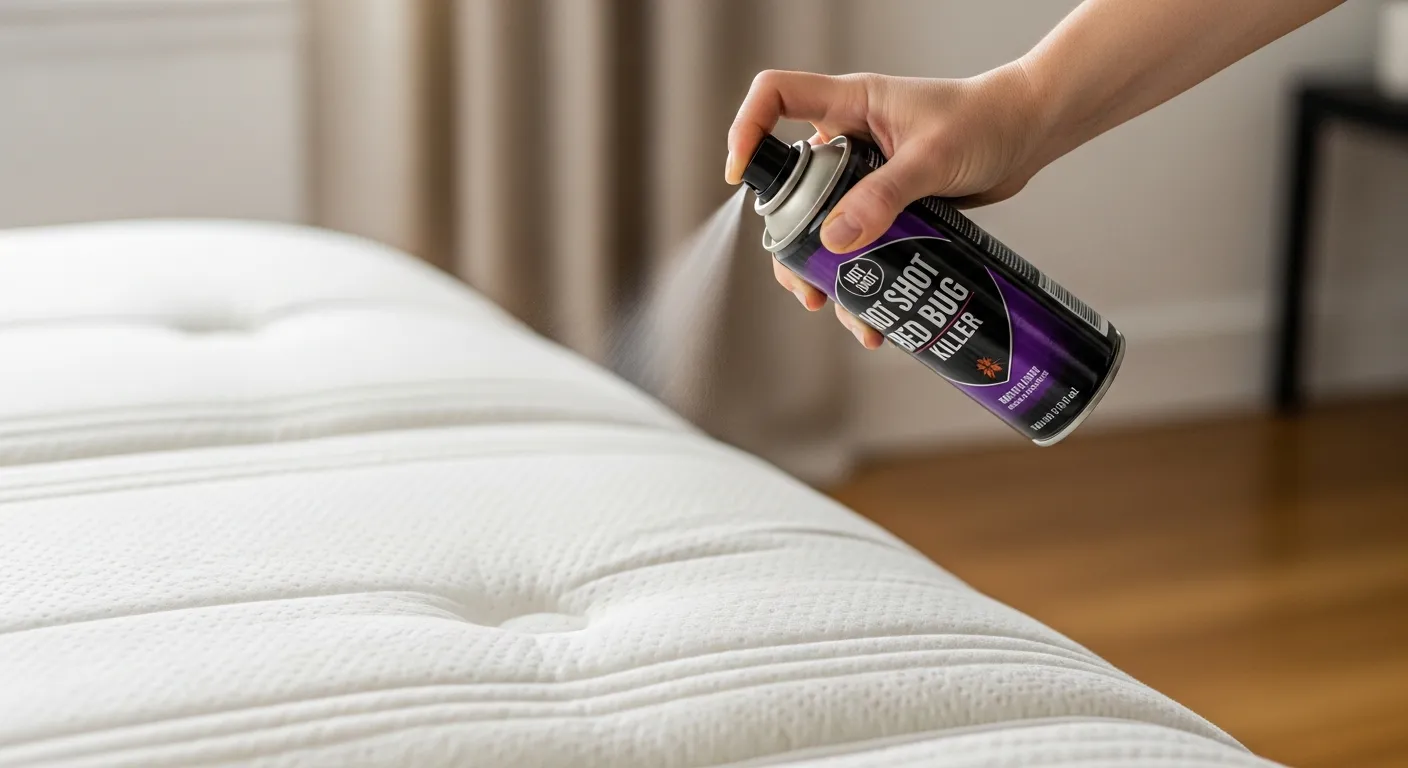
Non-chemical removal methods reduce safety risks, but they are not completely effective. If initial removal attempts do not work, then it is best to use pesticides. A safe and effective bed bug pesticide should be approved by the Environmental Protection Agency (EPA) and must be labeled ‘specifically for bed bugs’.
These factors show a product is generally safe, though homeowners should still use it cautiously. Before spraying any pesticides, always let everyone know and make sure to follow the instructions on the packaging.
Those who feel unsure about using bed bug sprays should contact a pest control specialist for professional help. These experts deal with infestation cases regularly, thereby helping in the effective and thorough removal.
How to Remove Bed Bug Stains from Mattresses?
Mattresses are one of the common places for bed bug stains. These pests like to hide along mattress seams during the day and come out at night. After the home is completely free from the infestation, cleaning the mattress becomes the next important step.
You can clean the mattress using a steam cleaner. It not only helps get rid of any bed bug eggs that remain, but also dust mites and other allergens. This method also works on upholstery, but make sure not to make the upholstery too wet while cleaning.
Do Bed Bug Stains Come Out Easily?
Older bed bug stains can be quite hard to remove, but it is absolutely possible to remove them. If the stain has been sitting for a while or if it is a set-in stain, it is important to get it treated with a commercial spot treatment spray. On the other hand, it is easier to clean fresh stains. They should ideally wash out without much trouble using a regular wash cycle and a spot treatment.
Conclusion
When suspicious marks appear on bedding, you should make sure to check the stain and its source. If it is from bed bugs, then you might have an infestation, which requires immediate action to prevent them from overtaking the home. Recognizing bed bug marks on sheets early gives people the best chance of controlling infestation before it becomes a larger problem.