

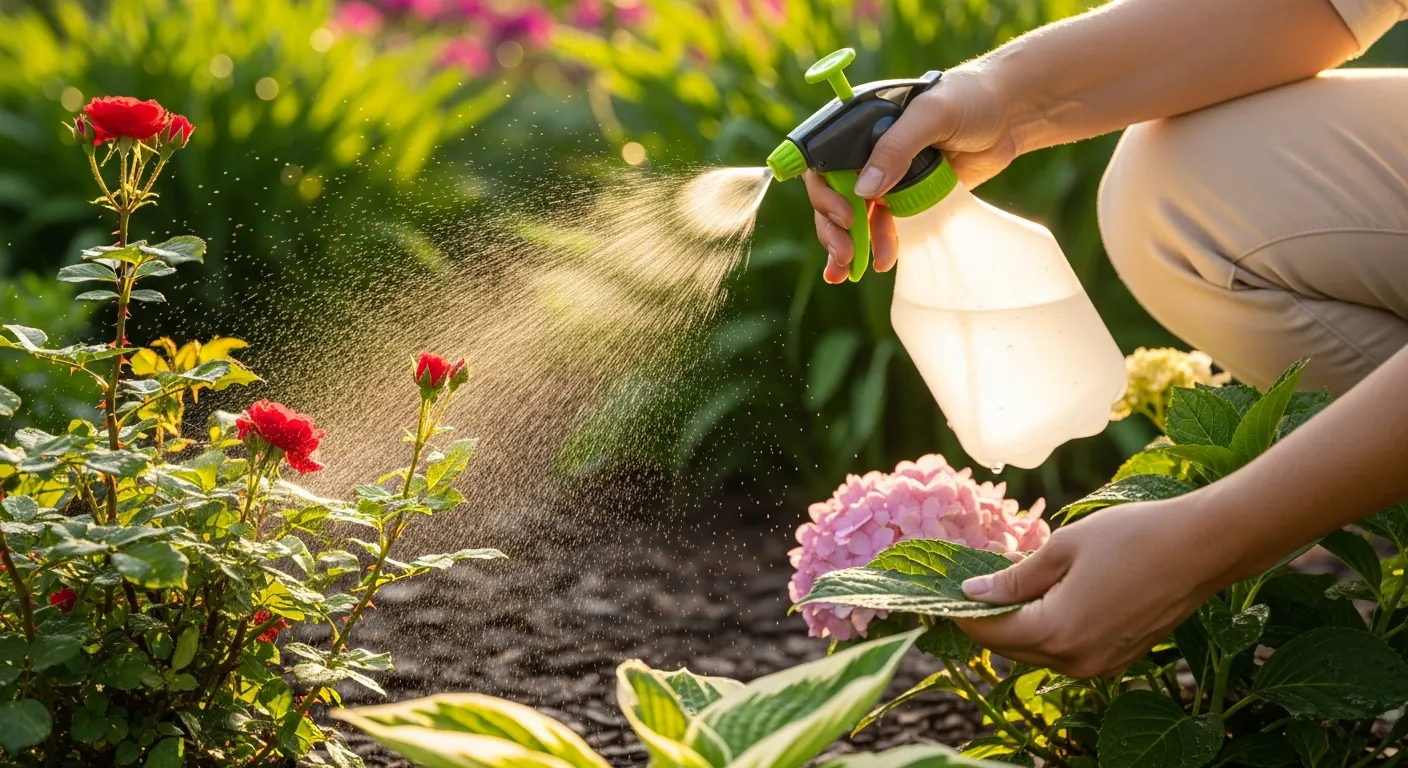
Maintaining a garden is an interesting task for nature lovers, but spotting pests is unpleasant. When pests show up, people often look for ways to control pest infestations and, at times, even resort to quick chemical fixes. But many gardeners eventually figure out that harsh treatments can fix one problem while causing many others. Using chemicals can weaken the soil and lead to a decline in pollinators while destroying crops.
Hence, natural pest control is considered a more thoughtful option. These options help keep the environment safe while keeping the plant healthy and thriving. To understand the options, read the blog till the end.
11 Natural Garden Pest Solutions You Must Try
Here are a few easy-to-make homemade pest solutions:
Slice of Melon
If your garden is facing a slug problem, consider placing melon slices near the plants they target most. Instead of attacking the plants, the slugs will stay attached to the melons. Next time, place the melons far away from the garden. This will make sure that no slugs enter the garden without having to kill them.
Eggshells
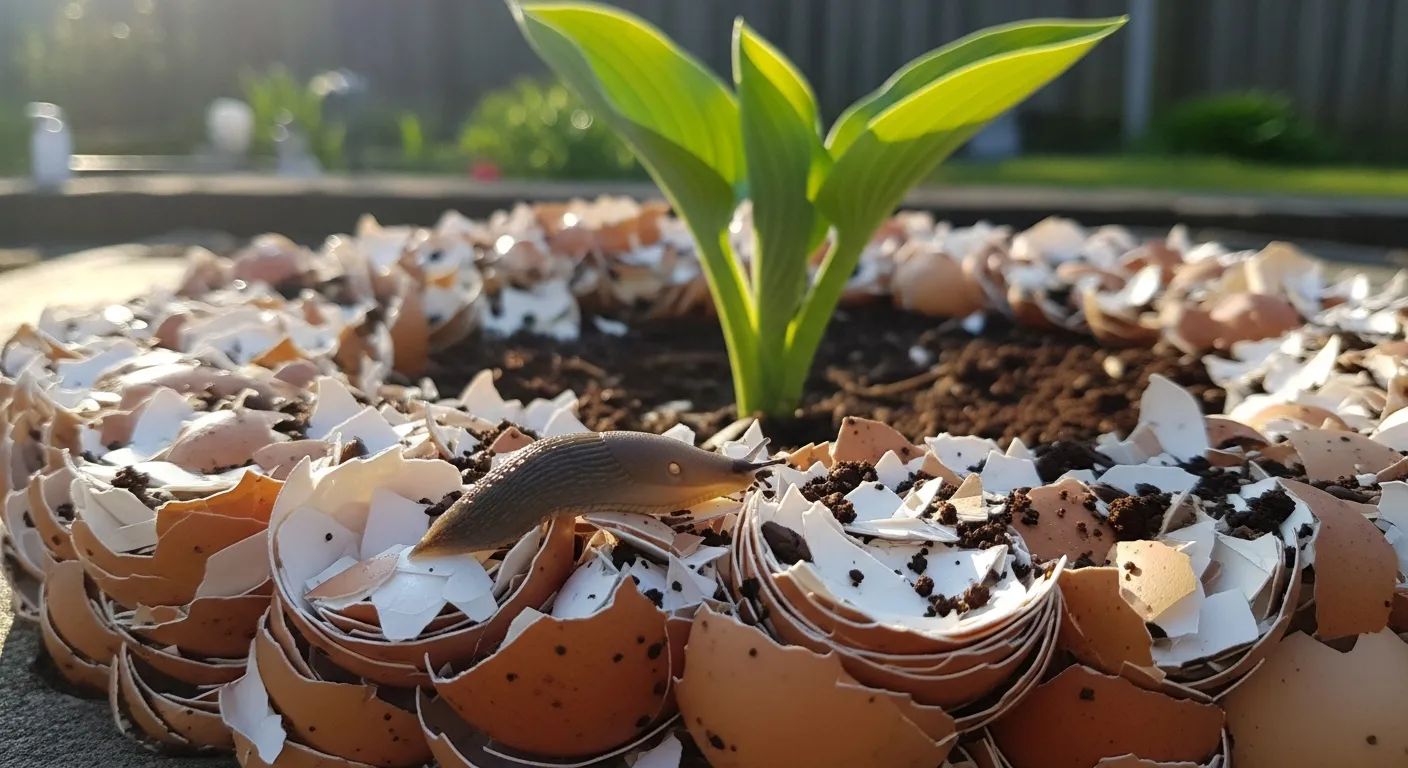
This is also a great natural solution to help deter slugs from the garden. Slugs are soft-bodied creatures and don’t like crawling over sharp edges. Gardeners often use eggshells and coffee grounds to discourage pests from entering the garden.
Essential Oil Sprays
Essential oils, such as peppermint, tea tree, rosemary, and lavender, are considered strong enough to repel pests. Mix 1 teaspoon of oil into 1 quart of water, shake well, and spray the entire infected plant. Also, do not miss the undersides of the leaves and the sides of the plant's stems and stalks.
| Notes | If you have zucchini-munching squash bugs, peppermint spray is essential. |
Canola Oil and Soap
Mix a few drops of liquid soap and a tablespoon of canola oil into a quart of water. Shake the solution well and pour it into a spray bottle. Spray from above down and from below up to ensure the solution reaches the underside of the leaves. The canola oil smothers the insects, preventing them from coming back.
Milky Spores
Milky spores come in granular form and are considered one of the most effective methods for getting rid of grubs in the garden. Grubs are actually Japanese beetles. The milky spores should be spread throughout the soil, which causes the grubs to contract a disease and die. When spread, milky spores remain inactive until grubs infect the garden. It is allegedly claimed that one treatment can last up to 40 years.
Neem Oil Spray
Neem oil is considered a powerful pest deterrent because it can disrupt the life cycles of insects at all stages. It acts as a hormone disruptor and an “anti-feedant” for insects that munch on leaves and other parts of plants. In addition, it also works as a natural fungicide to prevent powdery mildew and other infections from attacking the plants. To make the neem oil spray, follow the steps below:
-
Mix two tablespoons of neem oil with one tablespoon of dish soap.
-
Add one quart of water and shake it thoroughly.
-
Spray on the affected plants evenly.
| Notes | You can also buy a readymade neem oil solution from your nearest store. Follow the instructions given on the label to use the product. |
Diatomaceous Earth
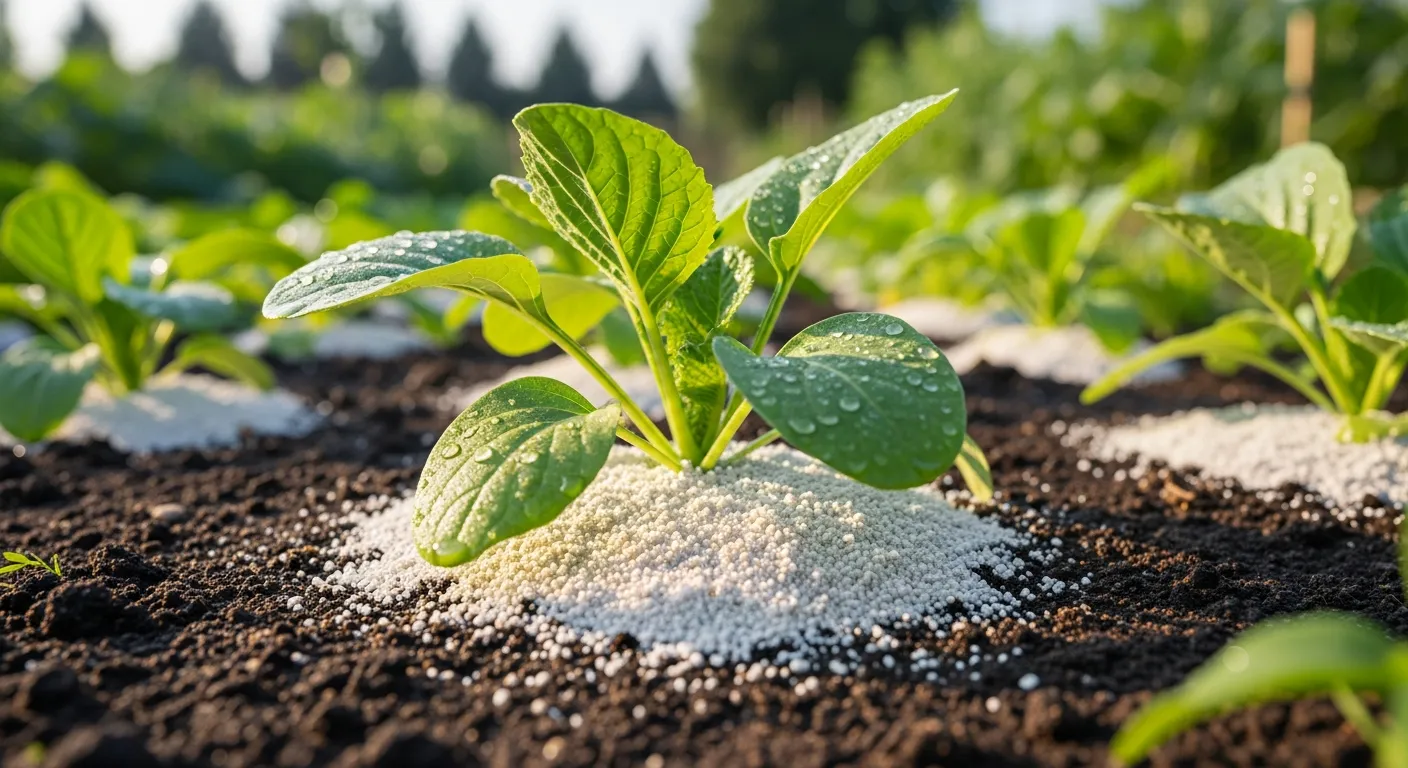
Diatomaceous earth is a natural substance made from a sedimentary rock created by fossilized algae (diatoms). It is used as a natural pesticide due to its abrasive nature and its ability to absorb lipids, which dehydrates insects in the garden.
Diatomaceous earth is readily available at any garden store, and using it is also easy. All you need to do is sprinkle the powder over the soil, especially around the plants, to control snails, slugs, and other crawling insects.
Garlic Spray
The pungent scent of garlic helps repel insects and pests that invade the garden. It can knock down pests and help eliminate the infestation. To make the spray:
- Take two whole bulbs of garlic and blend them well in a blender.
- Add a small amount of water.
- Allow the mixture to sit overnight, then strain the water once the heavier substance settles.
- Add 1½ cups of vegetable oil (optional), one tablespoon of mild liquid soap, and water to fill the jar.
- Pour 1 cup of the solution into a spray bottle and add 1 quart of water. Shake well before applying to the infested plants.
Tomato Leaf Spray
Tomato plants contain alkaloids, named “tomatine,” which repel aphids and other insects. To make a tomato leaf spray:
- Chop two fresh tomato leaves, making sure to cut them from the bottom of the plant.
- Add one quart of water and let it steep overnight.
- Next morning, strain the plant materials and use the water to spray on the leaves and stems.
Coffee Grounds
Coffee grounds are also helpful in warding off insects from infesting the garden. It is beneficial to get rid of ants, slugs, and snails. Coffee has a strong smell, especially the burnt coffee grounds, which mask the scent of items insects are really after. Here’s how to make a potent repellant:
-
After brewing your coffee, add more water to the coffee maker and filter the grounds again.
-
Pour that ground coffee into the pan and cook until it dries.
-
Let it cool, then sprinkle the powder where you see slugs and ants. Make sure to sprinkle around vegetable plants, doorways, cracks and crevices, window sills, etc.
Plant Flowers and Herbs
Certain flowers, such as marigolds, nasturtiums, petunias, allium, and chrysanthemums, are best to ward off pests. They emit a weird scent that repels damaging insects. You can move potted plants to areas with pest infestations or grow them as companion plants.
In addition, you can also consider growing rosemary, parsley, sage, lemon balm, lavender, thyme, basil, and coriander. These herbs repel plant-damaging insects, protect your garden, and provide fresh, aromatic herbs you can use in your kitchen.
How Can Pests Be Controlled Using Organic Methods?
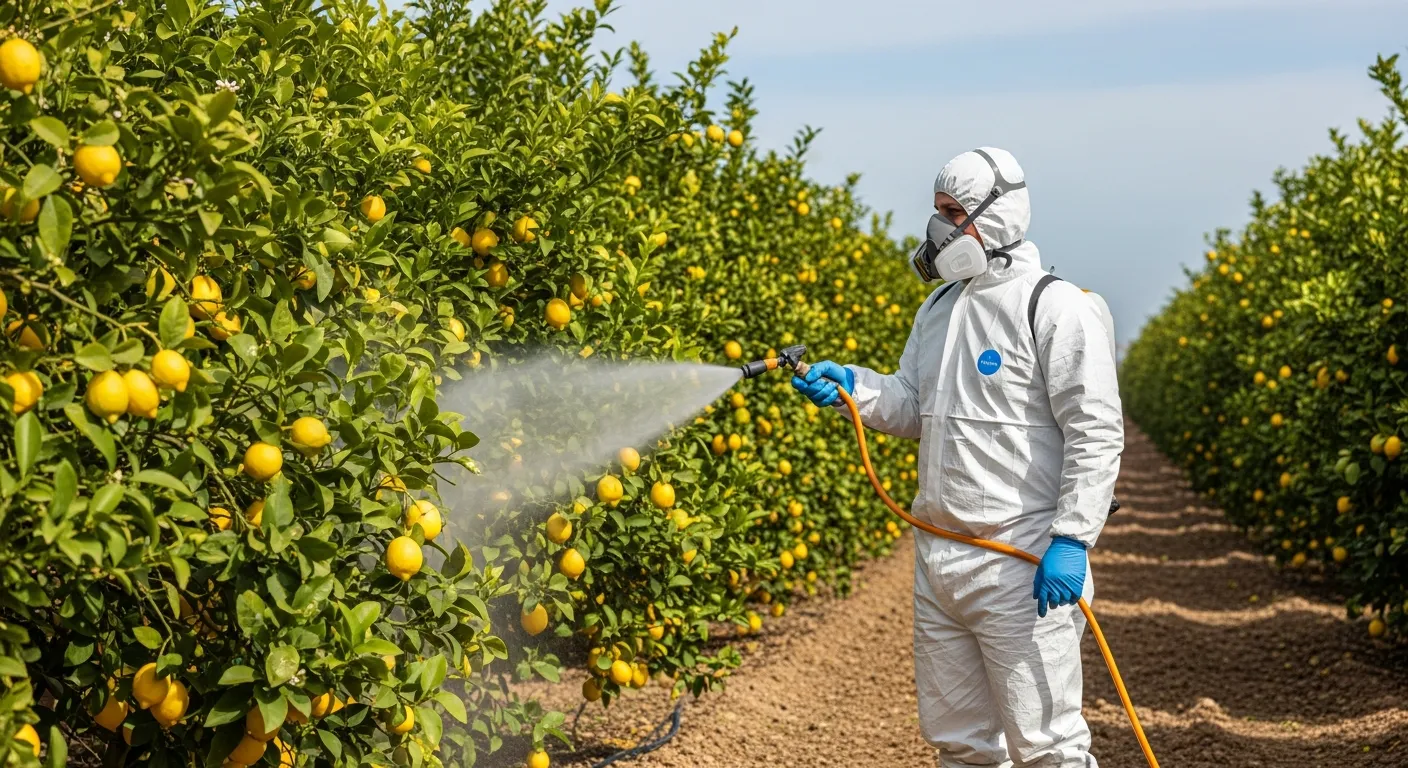
Here are five strategies to control pests organically:
Prune the Damage Caused by Pests
The first step is to remove any visible damage. You might see holes in the leaves or half-eaten stems, which indicates the presence of pests in the garden. Once you find them, grab a clean pair of pruners and remove the leaves or stems they've eaten.
Do not remove more than 1/3 of the plant. However, if required, you can remove the entire plant from the garden and start fresh. Also, you can remove extra fruit or extra growth on the plant. This is because when pests attack, the first thing you must always do is to remove the burden from the plant. Again, it is advised not to prune off the healthy part of the plant, as they help in photosynthesis.
Clear the Area
Using a little rake or your fingers, remove the dead leaves, weeds, and debris around the infested plant. Also, avoid adding mulch to the plants, as they are the best spots for the pests to hide. Once you clean the area, search for the pest, and this can be done early morning or evening. This is because pests tend to come out when the surrounding is a bit cool.
Check for the Pest
When looking for the pest, check the underside of the remaining leaves and the surrounding soil. If you are checking during the evening, use a flashlight to look for them closely. It also ensures you don’t miss any bugs in dark surroundings. Keep a bowl of soap ready, and once you find the pest, drown it in the soap water.
Spray the Solution
Prepare a solution (any of the ones mentioned above) and spray it. Leave it for some time after spraying, and repeat the process as and when required. You can also sprinkle coffee grounds or ground eggshells around the plant to keep pests from crawling back onto it.
Keep Your Plants Nourished
Whenever pest pressure is high, give the plants more nutrition. To do so, add compost around the soil and water it well. This ensures that your plants receive all the nutrients they need to recover and grow well. The plant knows how to fight pests and diseases; all you need to do is provide ideal conditions and proper support.
Invite Beneficial Insects
Invite ladybeetles, predatory mites, and ladybugs to your garden, as they feed on harmful pests, such as aphids, mites, and other plant-damaging insects. Thus, helping you keep your garden healthy without using toxic chemicals that might damage the soil or plants.
Conclusion
There are many non-toxic ways to control pests in your garden. The first thing you must do is ensure that the soil is healthy, as pests usually attack weak plants. You can also consider inviting beneficial insects, using physical barriers, and applying gentle, homemade treatments when needed.