

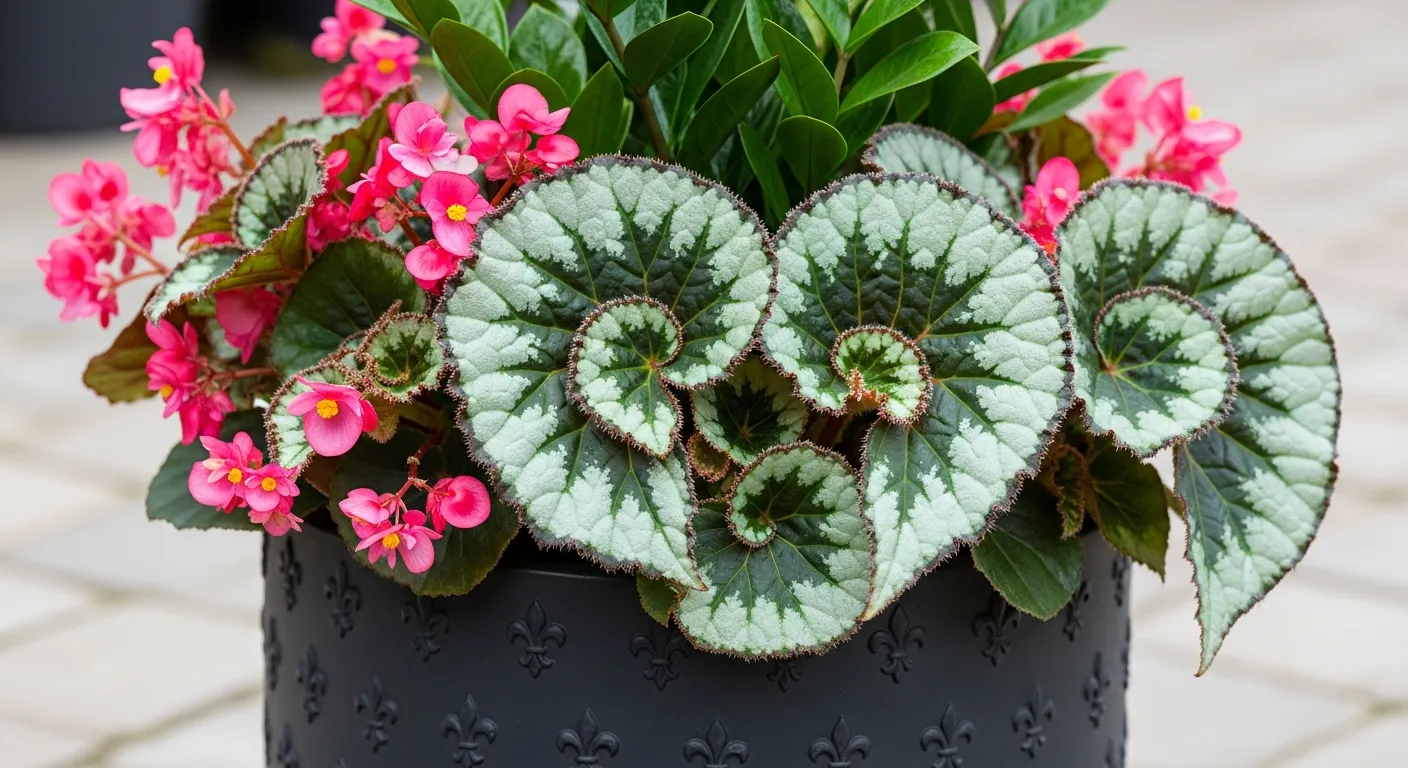
Begonia rex escargot is a variety of rex begonia highly preferred by gardeners for their unique shaped foliage resembling a snail. It produces year-round foliage whether grown as a houseplant, as an annual, or perennial in the garden. All it requires is bright, indirect light and a high humidity level to grow. It is a perfect choice for shady gardens and containers. This plant grows between 6-12” tall and wide. This blog explains all about begonia escargot, including the caring tips, propagation, and common problems.
What is Begonia Rex Escargot?
Understanding the features of Begonia rex Escargot can help plan for the care and propagation of the plant. Here is a short description of the plant to know more about it:
Criterion |
Features |
| Crop timing | 4-6 weeks from planting |
| Growth habit | Mounding |
| Height | 6-12 inches tall |
| Light need | Bright indirect sunlight, full or partial shade |
| Minimum temperature it need to thrive | 60 |
| USDA Hardiness zone | 10-11 |
| Water requirements | Moderate |
| Is it a patented plant? | No |
How to Care for Begonia Rex Escargot?
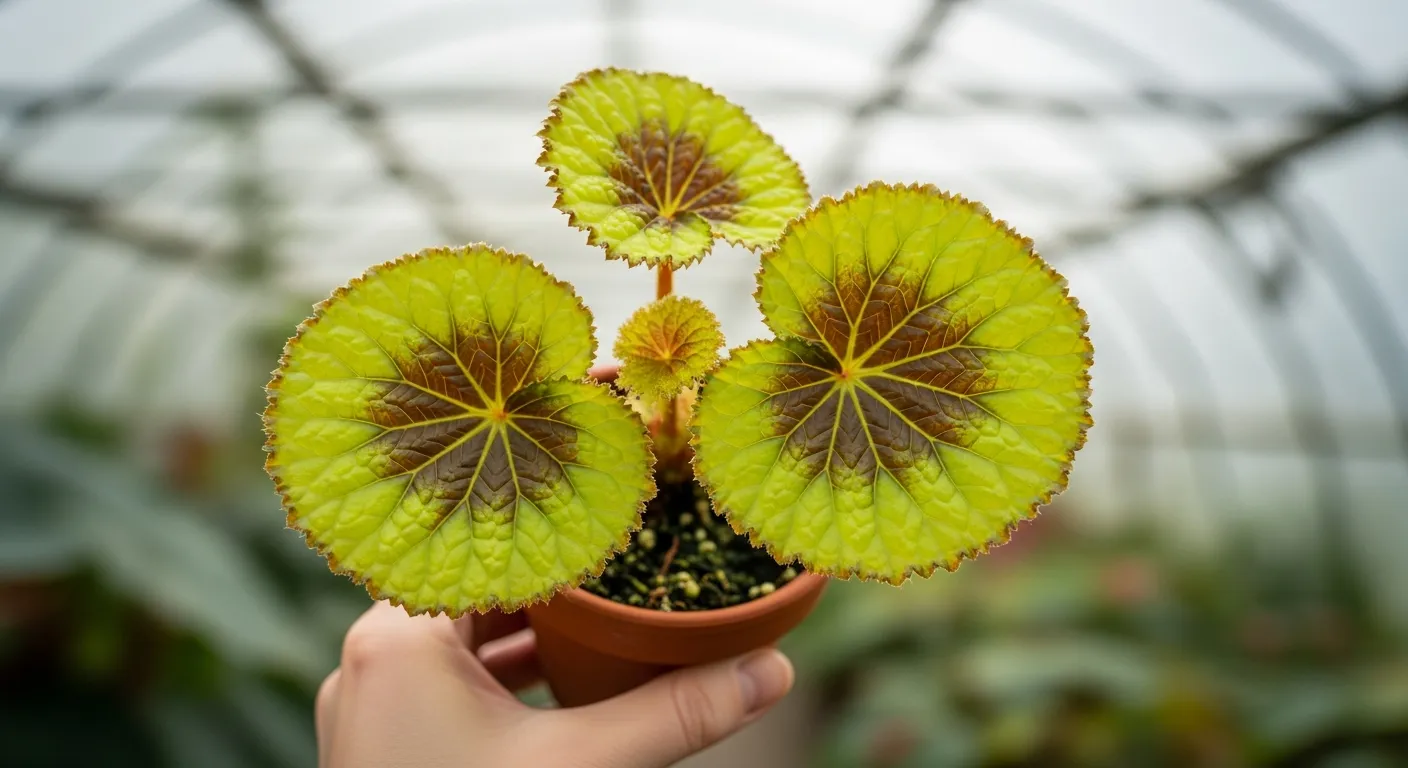
Any plant, when grown, has a particular requirement, and when that’s met, the plant thrives. Here are the caring tips for begonia escargot to ensure it grows healthy.
Balanced Watering
Water the plant only when the soil or the pot feels dry, but water it before it starts to wilt. However, stop watering the plant in winter until the pot completely dries out. This is because the plant goes dormant in the winter.
Maintain a Proper Humidity Level
Begonia escargot needs humidity to thrive, so the best way to ensure humidity is by clustering your plants to create a humid environment for each other or by using a pebble tray.
Pruning and Fertilization
Prune the plants as and when needed to maintain the proper shape of the plant. Begonia escargot needs monthly feeding, but keep an eye on the plant to ensure it is not overfed; otherwise, it will look unappealing.
| Some Tips | Don’t feed the plant in the winter because the plant is in a dormant state. |
Bright Indirect Light
This plant grows well in full sun to partial shade, so keep it away from direct sunlight. Proper light helps the plant maintain its color.
Moist and Well-drained Soil
Begonia escargot requires light, rich soil. When the plant is planted directly in the ground, make sure to plant it in well-drained and moist soil. Mulch can be added around the base of the plant to help retain moisture. When growing in pots, ensure there’s a hole for adequate drainage. You can use peat-based potting mix in the container.
Ideal Temperature
This plant doesn’t tolerate temperatures below 60 degrees Fahrenheit (16 Celsius) as it is sensitive to temperature changes. It can be grown with high humidity of more than 50%, so it can’t be grown indoors during the winter.
How to Propagate Begonia Rex Escargot?
Though Begonia rex Escargot can be propagated through rhizome division too, the best method is via leaf cuttings. This method is a simple way to expand your plants from a single leaf. Here is the method:
Propagation Through Leaf Cuttings
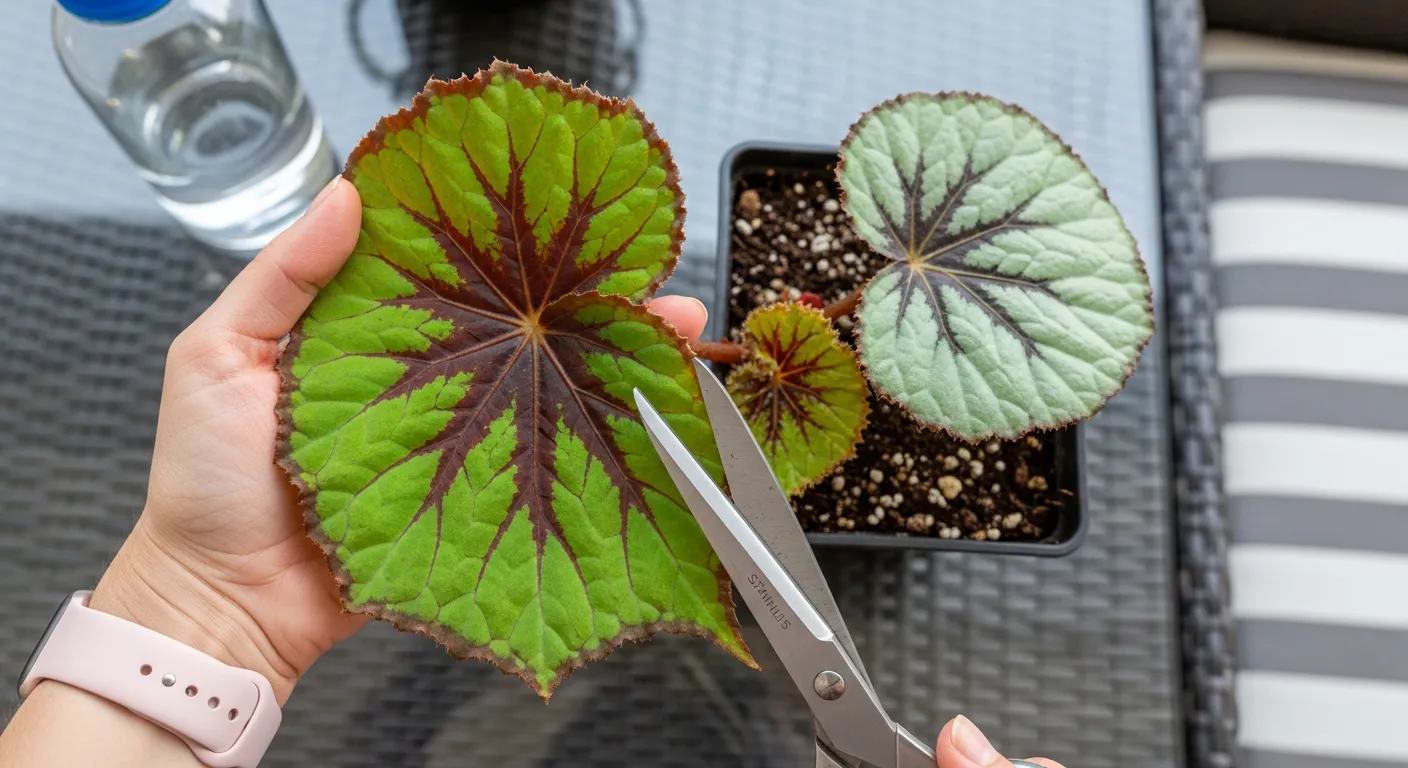
- Identify a mature and healthy leaf from the plant. Preferably pick a small leaf so that it perfectly fits in a new pot. When using a large leaf, cut back the sides of the leaf.
- When cutting the leaf, keep 2-6 inches of stem intact.
- Then, dip the stem of the leaf in rooting hormone. Now, keep the stem of the leaf in moist media.
- Leaves should not touch the soil to prevent diseases.
- If there’s a lack of humidity, cover the propagation loosely with a bag to ensure some air circulation.
- Now, place the propagation in bright indirect light (70-75°F).
- With regards to soil, keep it moist but not wet to avoid root rot. Also, don’t let the soil get completely dry.
- You can notice new plantlets emerging from the soil in 12 weeks.
- Once each plantlet has a minimum of two leaves, separate it and pot it separately.
Common Problems and Solutions
No matter how much you care for the begonia escargot plant, you may notice some signs indicating minor or even major problems that need immediate fixing. Here are the common problems and their appropriate solutions.
Brown Leaf Edges
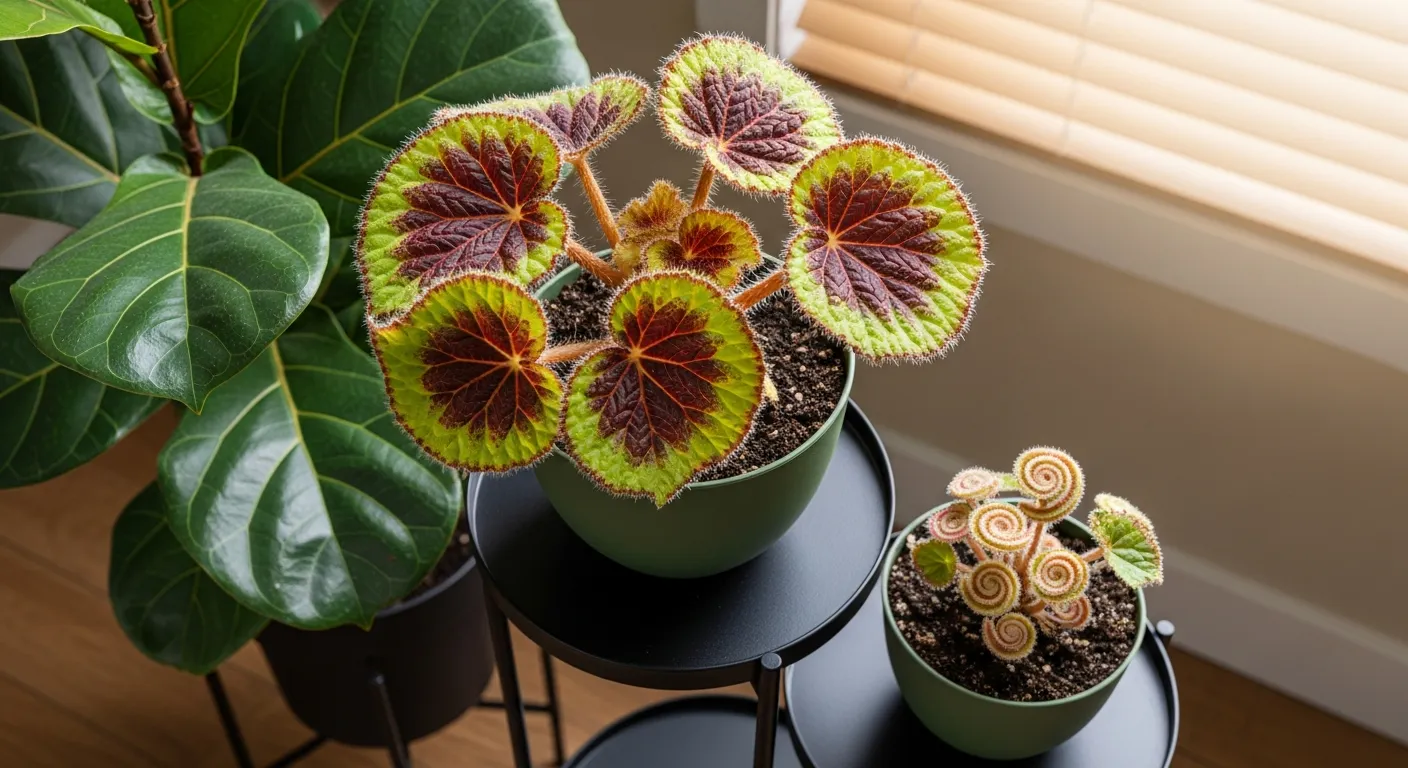
Cause: When leaves turn brown along the edges, it’s an indication of a lower humidity level than the plant needs.
Solution: Use a pebble tray or humidifier to increase the humidity level. Also check for drafts from heaters or air conditioners. If the edges are brown despite proper humidity, use filtered water or rainwater.
Leaves Turning Yellow
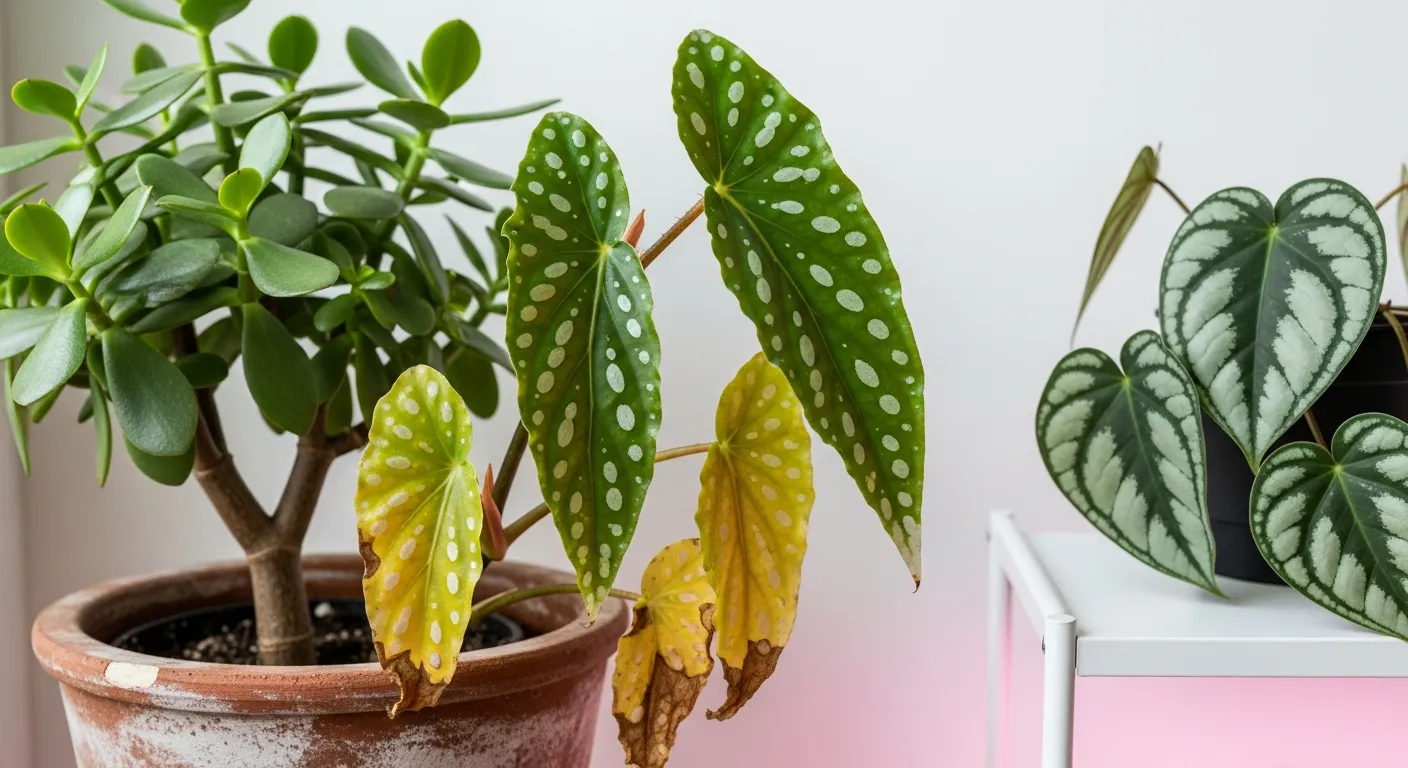
Cause: The primary cause of yellow leaves is overwatering. You may also notice a white coating over the leaves, which is a sign of powdery mildew.
Solution: Let the soil dry between the watering schedules, improve the air circulation around the plant, and avoid making the leaves wet while watering the plant.
Drooping or Wilting of Leaves
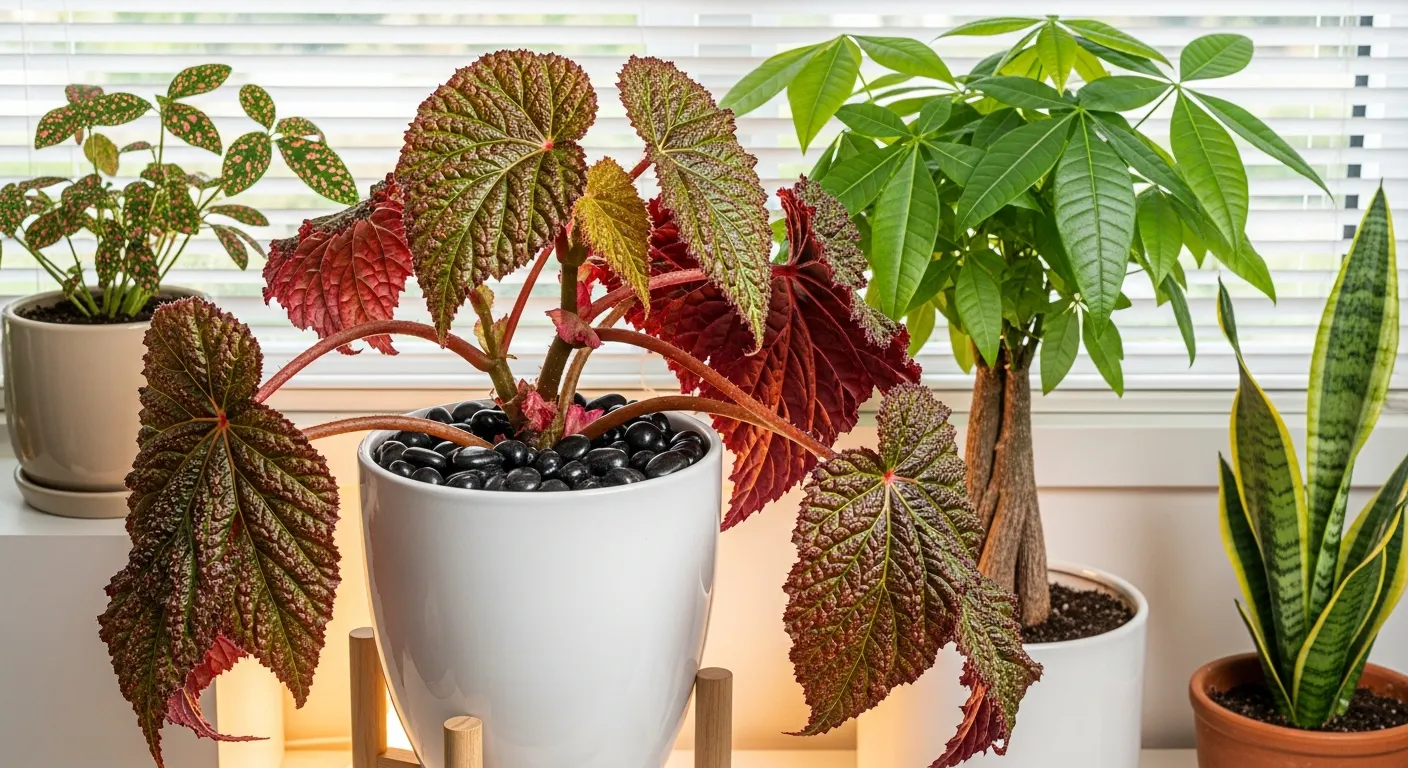
Cause: The common cause of drooping or wilting is underwatering. You may also come across a situation when the soil is wet, and the plant is drooping. That is usually a sign of root rot.
Solution: Water the plant if the soil gets dry, and stop watering the plant in case of root rot. You can also consider repotting the plant in fresh soil, but after trimming the black and mushy roots.
Pest Infestations
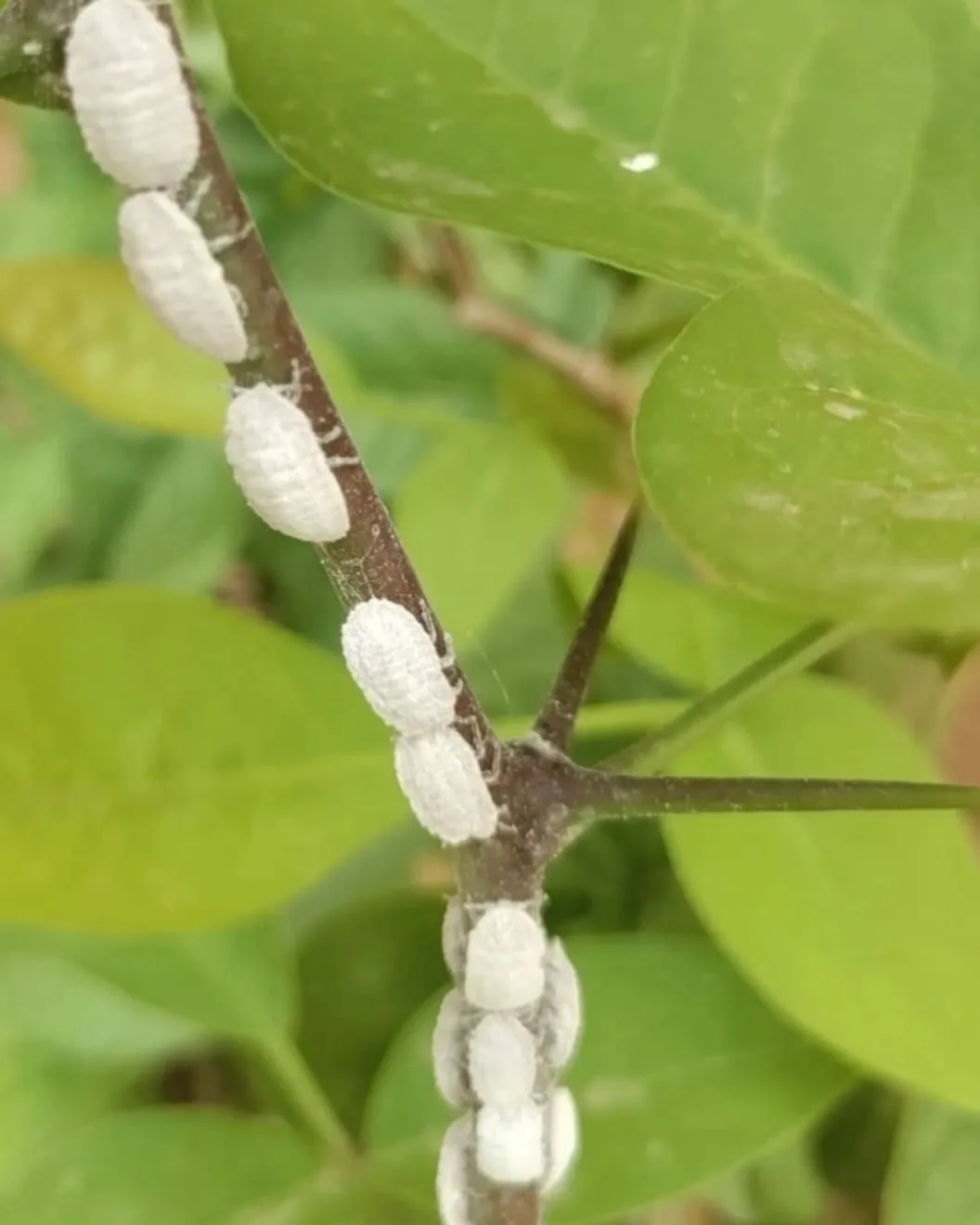
One of the most common problems is pest infestation. Pests such as mealybugs or spider mites can damage the plant. If these little pests are visible, dab them with cotton swabs dipped in alcohol. Insecticidal soap can be used in case of a large infestation.
Is Begonia Rex Escargot Suitable for Beginners?
It is not suitable for absolute beginners because this plant is quite sensitive to watering schedules, light requirements, and temperature changes. Therefore, it needs a keen eye on all the needs that come from experience.
Where to Place Begonia Rex Escargot Indoors?
The best indoor spot to place begonia escargot is where the plant gets bright, indirect light. The east-facing window is the best spot as the plant receives soft morning sun followed by bright indirect light for the rest of the days. If the north-facing window is large enough to allow light, then that’s also an ideal place.
Conclusion
Begonia rex escargot is a popular plant owing to its uniquely shaped foliage that is available in different colors. Since this is a sensitive plant, it needs balanced watering, bright indirect light, timely feeding, and well-drained soil to thrive.