

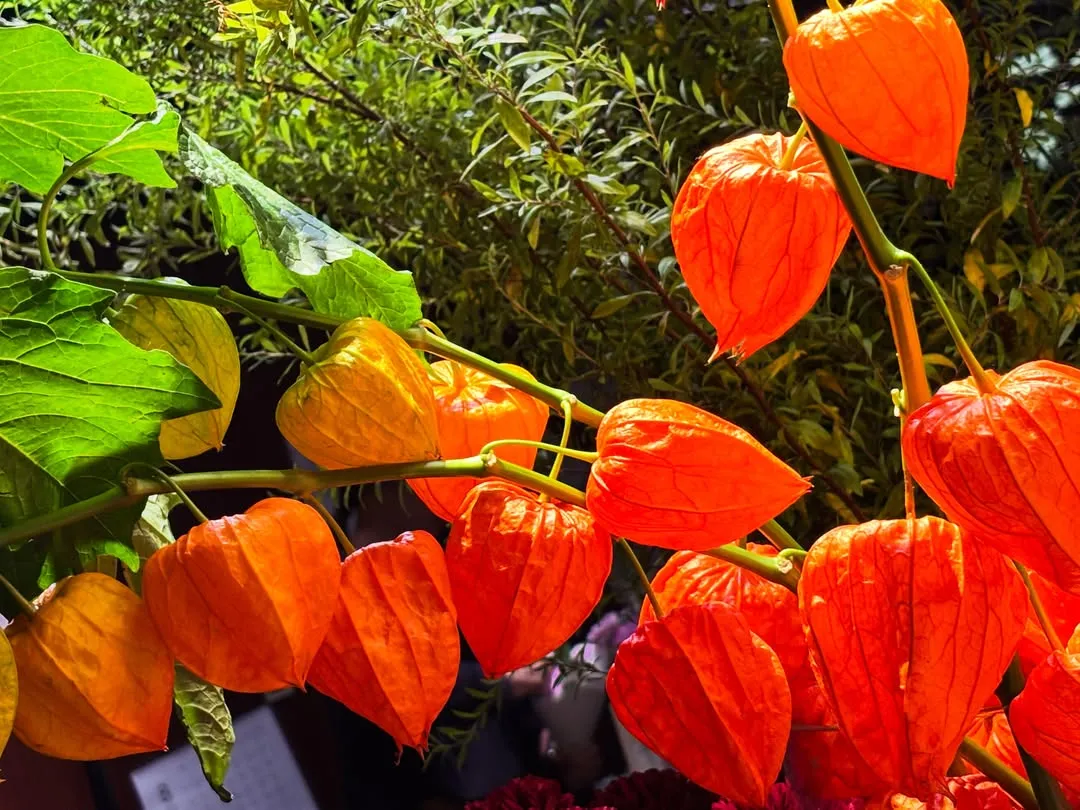
Chinese Lanterns may seem just like ordinary plants, but they are more than the average plant. Usually, plants grow flowers that fade, then new flowers bloom, or the flowers turn into fruit. However, in the case of Chinese Lanterns, once the summer flowers fade, their papery covering swells around the fruit and changes its color from shades of green to brighter tones of orange. All you need to do is plant a clump once, and you’ll have a handful of these beautiful stems.
But not all Chinese Lanterns are the same. Some varieties stay small, while others spread quickly. Some even work great as a container plant. So, if you don’t know the varieties, this blog covers a few Chinese Lantern plant varieties so you can choose one based on what you need.
Most Popular Chinese Lantern Plant Varieties
Here are some popular Chinese lantern plant varieties -
Physalis Alkekengi
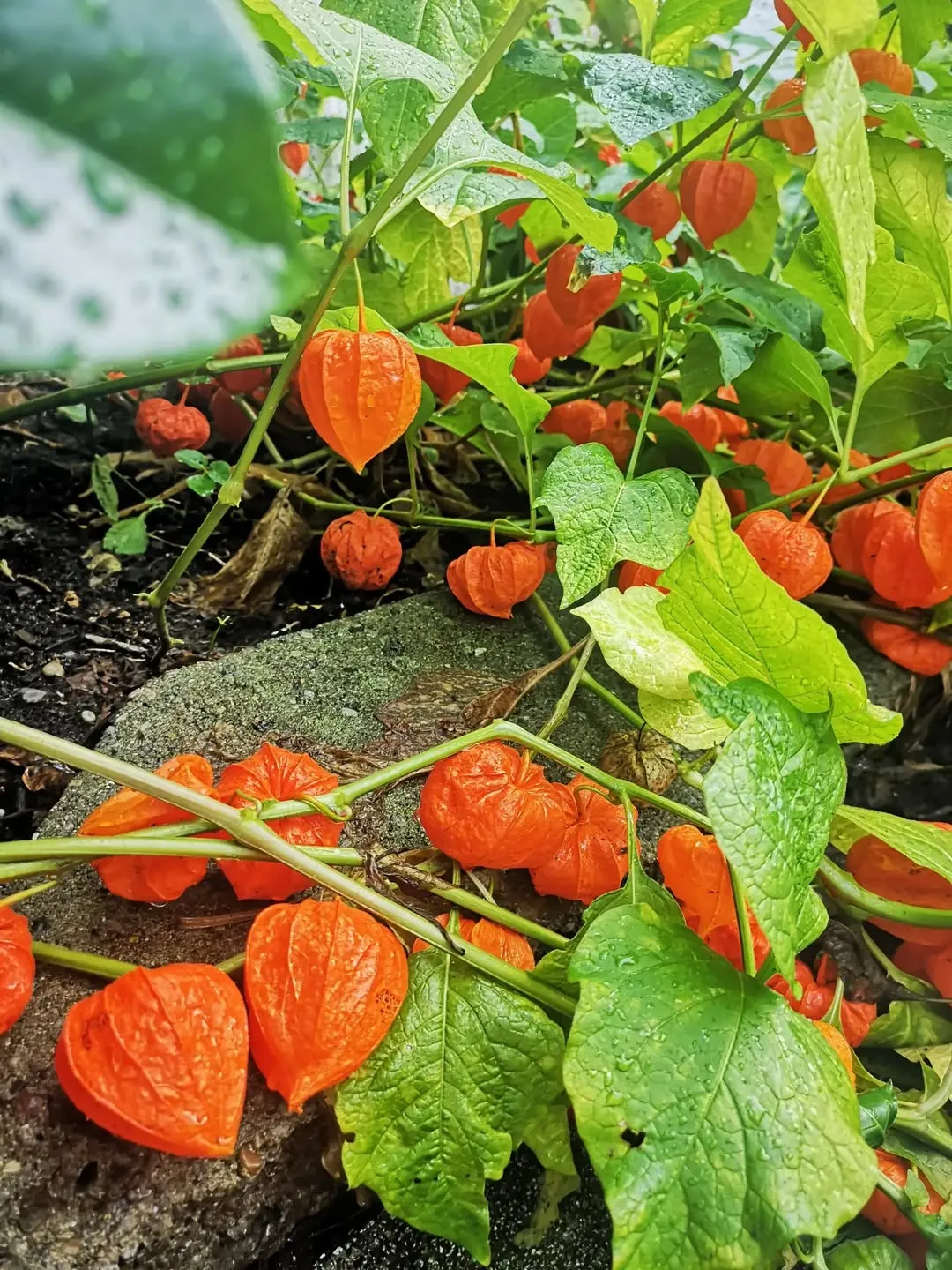
Physalis Alkikengi have upright, branching stems with brittle stalks. It is a small plant with somewhat woody subshrubs and acts as an herbaceous perennial in colder climates. This means it dies back to the ground but grows again when conditions are conducive. It can survive in some colder areas as long as drainage is excellent.
The bell-shaped flowers (which look like a lantern) usually grow one at a time on long stalks called pedicels. They emerge from the point where the leaves meet the stems. The flowers can grow up to 3 inches in diameter.
- Size: 12- 35.4 inches wide and tall
- Sun Requirement: Full sun or partial shade
- Watering Requirement: Water only when the topsoil is completely dry
- Soil Needs: Grows in almost any soil as long as it is well-drained and evenly moist.
Physalis Alkekengi var. Franchetii

This variety of Chinese Lantern is a soft-green perennial that grows in clusters. It has heart-shaped leaves and upright stems. It blooms with small white, hanging flowers during early to mid-summer; however, these flowers are not the main attraction. Instead, the reason what makes the plant stand out is its inflated, papery covering called a calyx. The covering swells and ripens into a bright orange color, which looks like a tiny paper lantern.
As the covering ages, they start drying out and breaking down, leaving behind a delicate vein network wrapped around the bright red berry inside. This is what makes the plant look interesting even after the orange color has faded.
-
Size: 24-39.4 inches wide, 24-36 inches tall
-
Sun Requirement: Full sun to partial shade
-
Watering Requirement: Regular, moderate (when young)
-
Soil Needs: Loose, moderately fertile, and well-draining
Physalis Alkekengi var. Gigantea

This broadleaf deciduous plant produces cream flowers in spring and summer, followed by orange fruit. It grows well in the sun and requires minimal watering. At first, it may need a bit more watering; once established, it becomes drought-tolerant.
-
Size: 24-36 inches wide, 18-36 inches tall
-
Sun Requirement: Sunny spot
-
Watering Requirement: Regular but low
-
Soil Needs: Average, but well-drained
Physalis Alkekengi 'Zwerg'
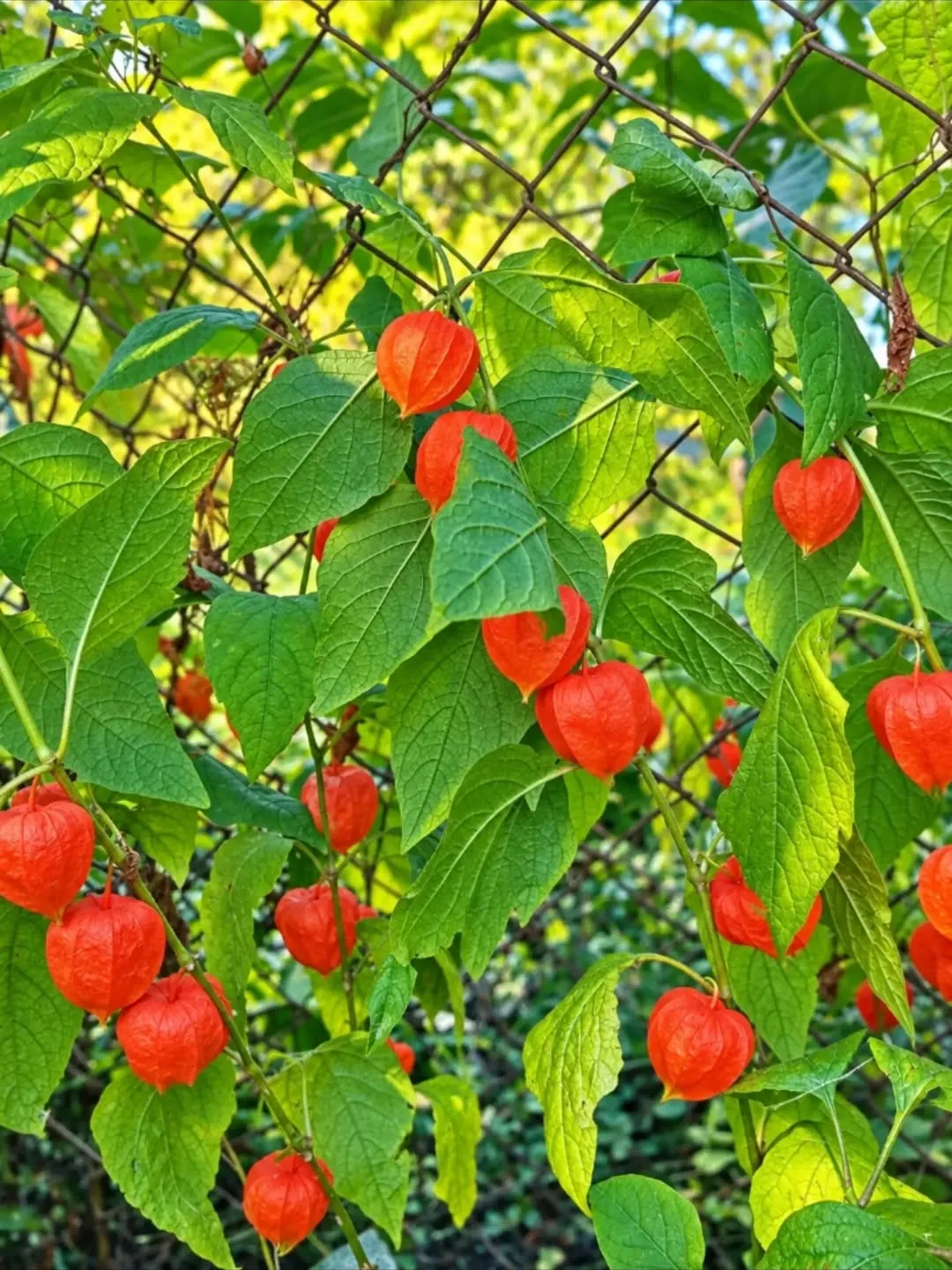
Physalis Alkekengi ‘Zwerg’ can be annuals or rhizomatous perennials. They have simple or deeply divided leaves and small, bell-shaped flowers that grow where the leaves meet the stems. They bloom in summer and bear fruit in fall and winter.
After flowering, they produce fleshy edible berries that may be yellow, red, or purple. These berries are surrounded by an enlarged, often colorful, papery covering called a calyx. They are harmful when consumed raw. When handling this variety, ensure you wear protective gloves.
-
Size: 19.7-39.4 inches wide, 3.9-19.7 inches tall
-
Sun Requirement: Full sun to partial shade
-
Watering Requirement: Average, but consistent watering (allow the topsoil to dry completely between waterings)
-
Soil Needs: Sandy, chalky, and loamy well draining soil
How Are Chinese Lantern Varieties Different?
Here’s how each variety of Chinese Lanterns differs from each other -
| Variety | Size | Lantern Color | Best For | Distinctive Feature |
| Physalis Alkekengi | May grow anywhere from 18 inches to 10 feet tall | Orange to red-orange | Border, cottage gardens | Deep, pointed lobes and flowers with papery coverings that surround the fruit |
| Physalis Alkekengi var. Franchetii | 24-39.4 inches wide, 24-36 inches tall | Bright orange | Ornamental planting | Spreads vigorously and have a lantern-like calyx |
| Physalis Alkekengi Gigantea | 24-36 inches wide, 18-36 inches tall | Orange | Large bordered areas | Larger lanterns, decorative fruit, can be used as culinary herb |
| Physalis Alkekengi Zwerg | 19.7-39.4 inches wide, 3.9-19.7 inches tall | Bright orange | Container gardening and edging | Compact, dwarf growth |
Are There Any Other Varieties of Chinese Lanterns?
Here are some other common varieties of Chinese Lanterns -
- ‘Bella’ Series: This is a compact plant that blooms early with large flowers in shades of apricot, deep red, pink, and orange.
- ‘Bellevue’ Mix: This mix produces beautiful red, yellow, and orange flowers. As it is a mix, it contains plants with different flower colors.
- ‘Canary Bird’: Canary Bird is a round, compact plant that has yellow, trumpet-shaped flowers.
- ‘Kentish Belle’: This one has apricot-yellow flowers with purple stamens, which spread and wander about rather than staying upright.
- ‘Kristen’s Pink’: It is a compact, upright plant that grows about 12-16 inches and produces several soft, pink flowers.
- ‘Tiger Eye’: They grow 6-8 feet tall and bloom pendulous yellow flowers with unique red veining.
- ‘Souvenir de Bonn’: These can reach up to 6 to 10 feet tall with beautiful green leaves edged in creamy white and salmon-orange flowers.
How to Care for Chinese Lantern Plants?
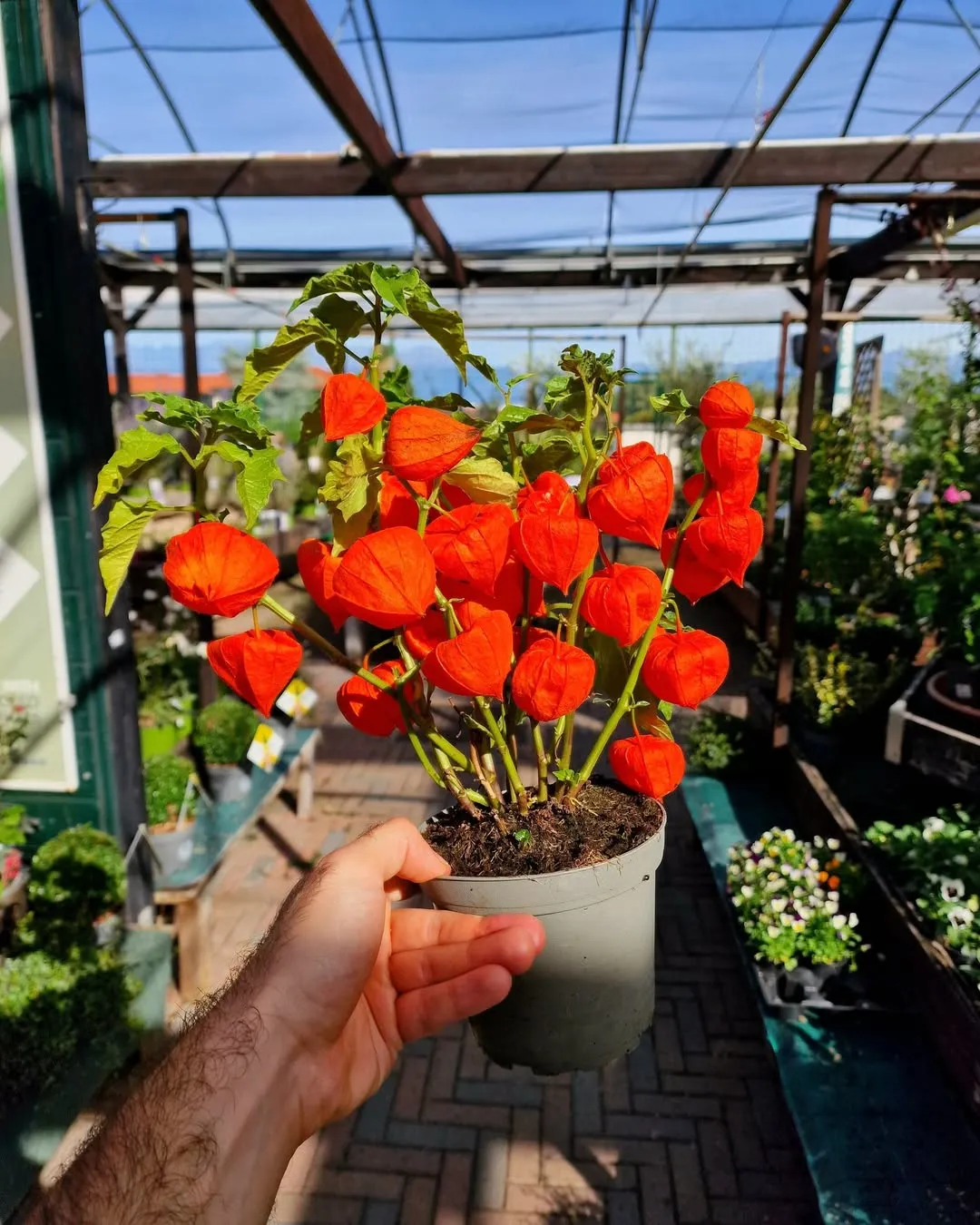
Chinese Lantern plants need proper care to stay healthy and beautiful. Here are some care tips you must follow when growing Chinese Lanterns -
- Keep the soil evenly moist and well-draining.
- Keep the plant in the sun for at least 6-8 hours every day.
- This plant spreads aggressively; keep an eye on its growth.
- Manage pests and diseases immediately.
- Fertilize only if the plant isn't growing well enough.
| Notes | Always plant Chinese Lanterns in spring, after the frost has passed. |
How to Propagate a Chinese Lantern?
Chinese Lanterns spread by rhizomes or volunteer seedlings so that they can grow aggressively and uncontrollably. Some gardeners do not prefer to propagate it, but if you want to add Chinese Lantern all over your place, here’s how you can propagate it -
- Lift the entire plant out of the ground using a shovel in the spring.
- Use pruners to divide it into smaller sections.
- Plant the new section in different new locations.
- Water them until new growth is visible.
You can also collect and store dried seeds during the fall to plant them in the spring.
Conclusion
Chinese Lanterns are a great choice if you want something different in your yard. They are unusual, and the flowers may not seem impressive at first. However, as it changes its colors and the lantern-like covering appears, it makes the plant stand out. There are several varieties of Chinese Lanterns, which means you have plenty of options to choose from. They can be easily cared for, and if you want to grow Chinese Lanterns, spring is the best time to do so.