

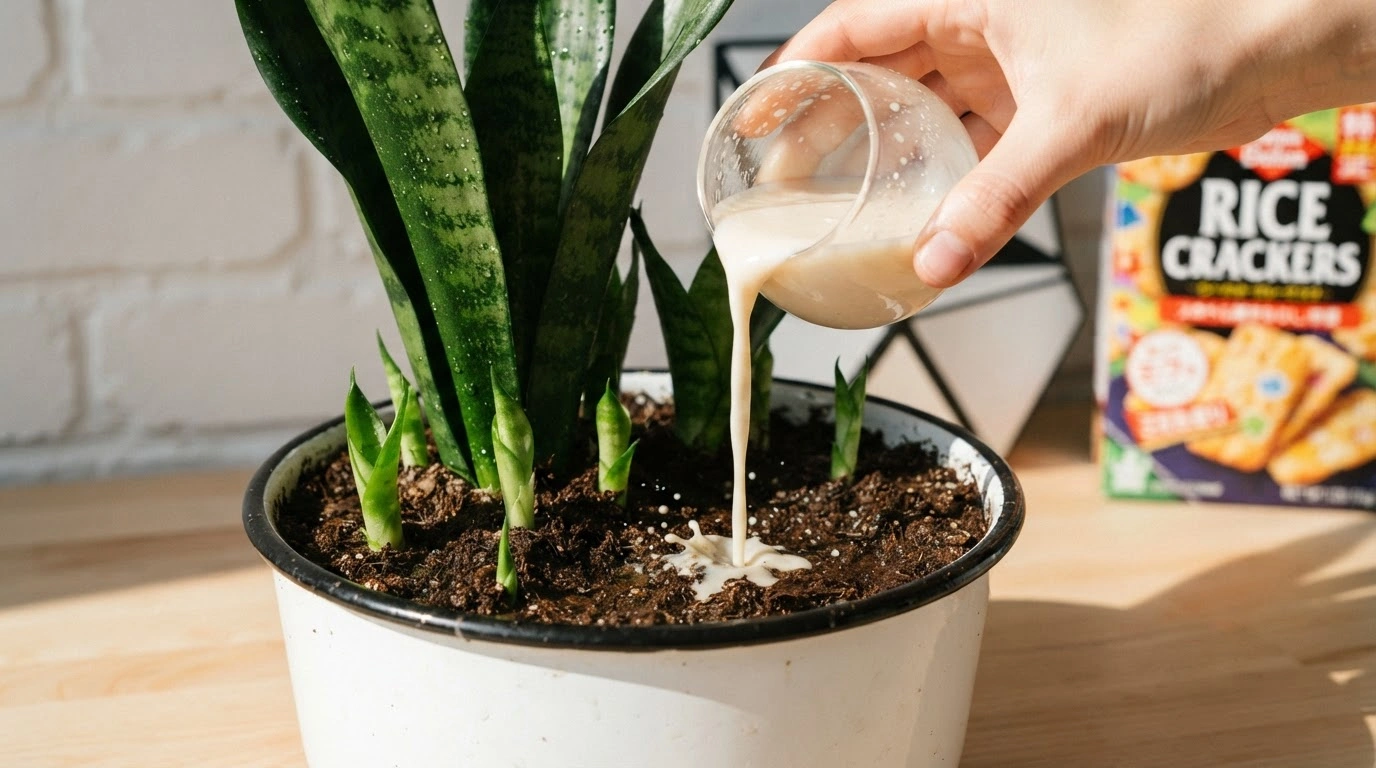
The snake plant is the star indoor plant best known for their air purifying qualities. Many homeowners who own snake plants often look for tips and tricks to boost the growth of these plants. A common question they often look for information on is “Do snake plants like milk?” Milk is an easily available household item, but there are distinct views on its use on snake plants. This blog discusses different aspects of using milk on plants.
Do Snake Plants Like Milk?
Milk contains protein, minerals (potassium and magnesium), and fats, which are beneficial to the plants when used properly on them. Milk is also used to prevent pest and fungal growth. However, when it comes to its use on snake plants, it is not recommended because the benefits of using milk on snake plants have not been proven scientifically.
What Happens if You Put Milk on a Snake Plant?
When you put milk on a snake plant, it causes the following problems:
- It promotes mold and bacterial growth in the potting soil.
- When milk decomposes, it can attract insects and create foul odors. The decomposing milk also reduces the oxygen supply to the roots.
- Residual sugar can attract fungal gnats and ants.
- Milk can reduce aeration because the lactose and fats in the milk clog the soil pores, leading to fungal growth.
- Milk, when applied to the snake plant, can coat the leaves, affecting the process of photosynthesis.
Does Milk Help Snake Plants Grow?
Just like any other houseplant, snake plants too require essential nutrients, sunlight, and proper watering to thrive. With regard to the use of milk on snake plants, homeowners have two views on the use of milk-some believe that milk can be used as a natural fertilizer due to the essential nutrients present in the milk. Others believe it should not be used, as it causes problems like fungal infection and rot. No matter how beneficial it is, there’s no scientific data on its benefits. Hence, it is not recommended for snake plants.
What Should You Feed a Snake Plant Instead?
As the use of milk on snake plants is not a preferred option owing to a few disadvantages and the negative impact on the plant, you should feed the snake plant with the following essential nutrients:
Water
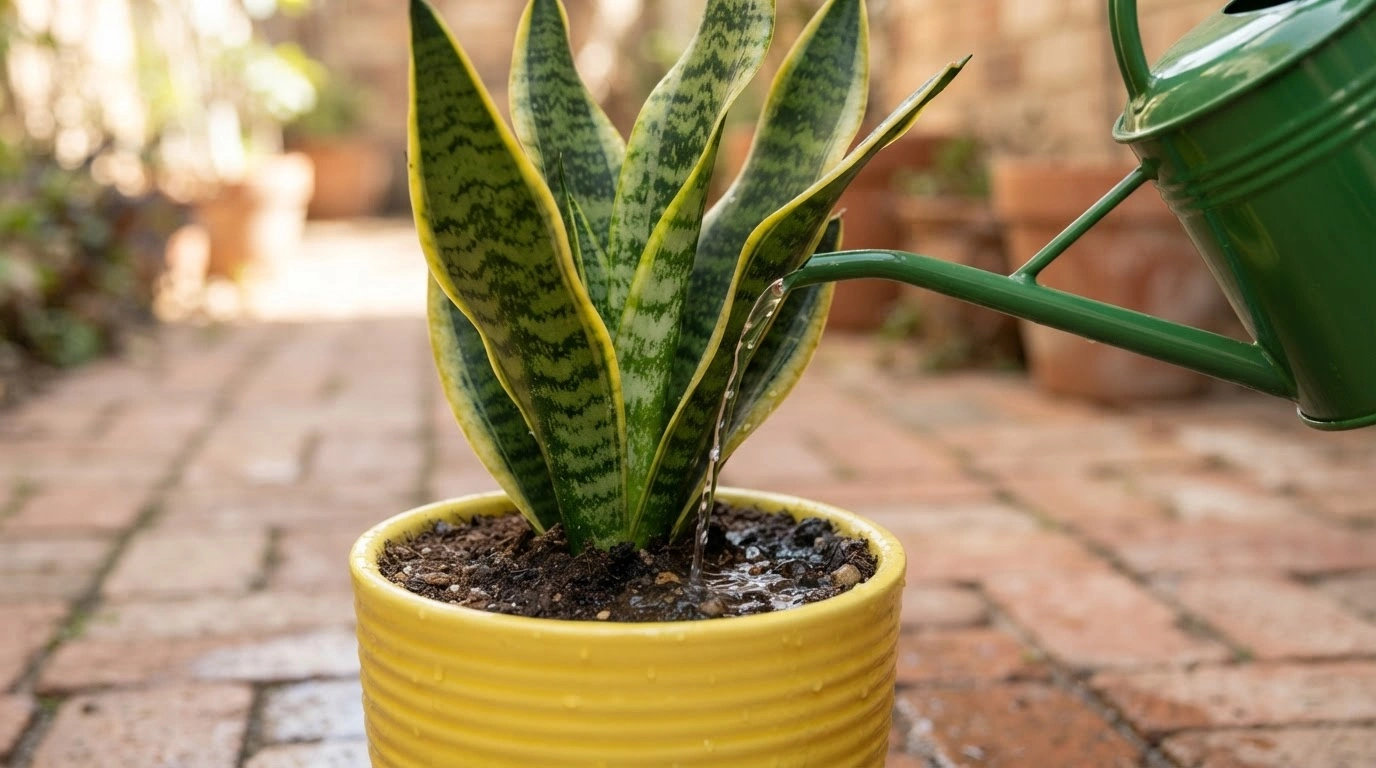
As snake plants thrive in dry soil and don't need moist soil, water the plant only when most of the soil is dry (minimum 50% of the soil). Once the soil is dry, water it thoroughly by placing the pot under the sink for around 3 minutes or more, depending on the size of the pot. Then, allow the water to drain from the bottom hole.
Houseplant Fertilizer

Snake plant is an easy-to-grow plant and doesn't need much fertilizer. It just needs a balanced NPK ratio (10-10-10) houseplant fertilizer to boost its growth. When using liquid fertilizer, use it when watering the plant, but after diluting it to the recommended strength on the bottle. Apply fertilizer only twice during the growing season (once in spring and then in summer)
Fresh Potting Mix

If you notice that roots are sticking out of the drainage holes or when the roots circle the bottom of the pot, it’s an indication that repotting is needed. The best time for repotting is winter or early spring. Remove the roots from the pot and plant it in a new pot of size of not more than 2 inches larger to avoid root rot.
Soil
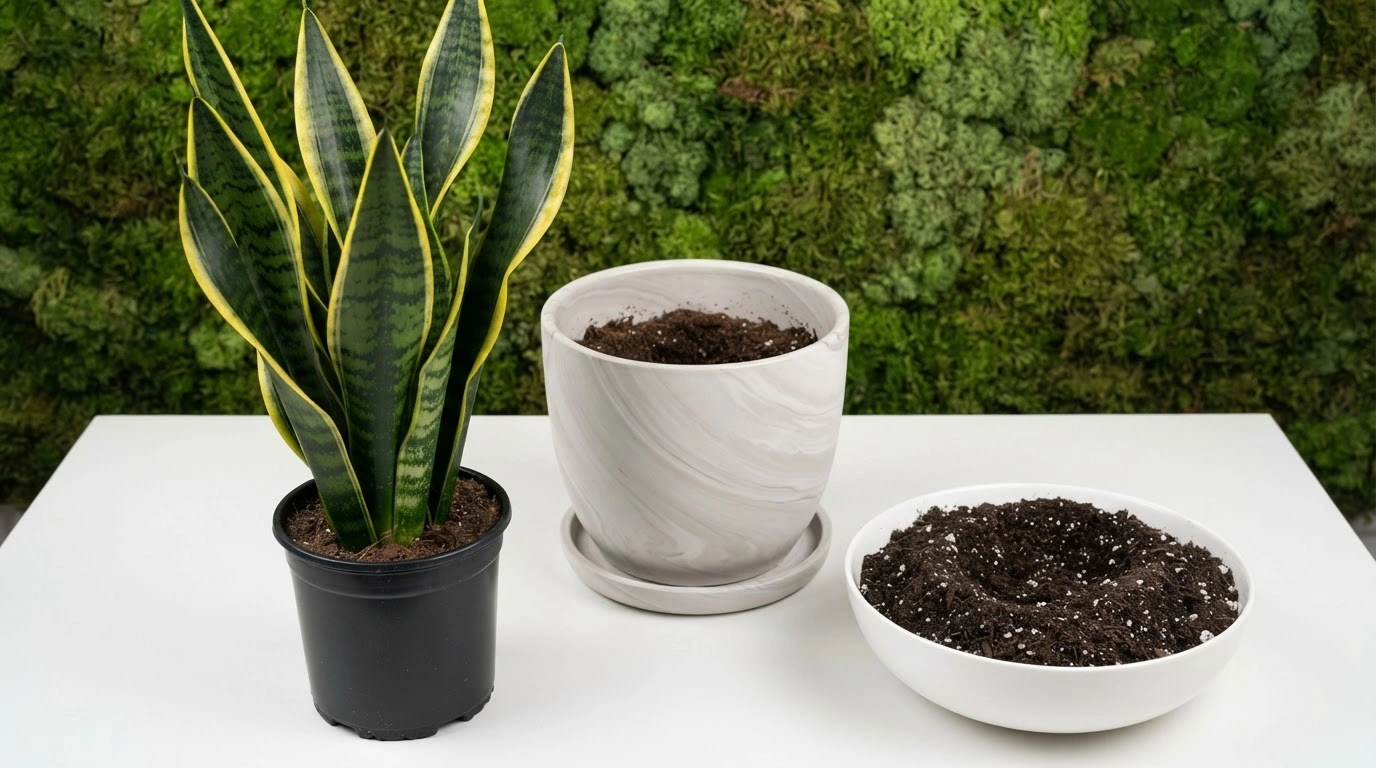
Though snake plants can survive in regular houseplant soil, it thrives in loamy and well-drained soil, which should contain 2 parts perlite, 1 part peat moss/coconut coir, and 1 part regular houseplant succulent soil.
Milk vs. Fertilizer for Snake Plants
Milk contains essential nutrients needed by houseplants, including the snake plant, but milk is not as balanced as fertilizers in terms of nutrients. Here is the table comparing the amount of nutrients in milk and fertilizer:
| Essential Nutrients | Milk (Per 100 ml) | Other Fertilizers (NPK 10-10-10) | Requirement Of Snake Plant |
| Calcium (mg) | 120 | Small amount | It has a low need of calcium. It is already present in most soils. |
| Nitrogen (mg) | 330 | 10,000 | It need low amount of nitrogen |
| Phosphorous (mg) | 90 | 10,000 | It has a very low need of phosphorus |
| Potassium (mg) | 150 | 10,000 | It has low requirement of potassium as well |
| Fat (%) | 3.5 | 0 | Doesn’t need fat at all |
Can You Put Milk on Snake Plant Leaves?
You can put milk on snake plant leaves, but only in diluted form by adding 1 part of milk to 4-5 parts of water. This can be used to remove dust, add a natural shine, and add mild nutrients to the plant. However, wipe off the residue using a clean and damp cloth to avoid clogging the pores.
| Some Tips | Don’t apply the solution to the soil |
What if You Already Gave Your Snake Plant Milk?
If you have accidentally poured a small amount of milk on the snake plant, look for mold or odor. However, if you have poured a large quantity of milk, repotting is the only solution to prevent bacterial growth, which can damage the roots of the plant.
Conclusion
Unlike other houseplants, snake plants don’t like milk despite the fact that milk contains many nutrients. Milk is not used for snake plants as it causes rot and fungal infection to the plant. However, you can feed your plant with the right amount of water, balanced fertilizer, adequate sunlight, and the right soil for robust growth.