


Did you know that milk, a simple kitchen staple, can also play an essential role in helping your plants flourish? When properly diluted with water, milk serves as a natural fertilizer, pesticide, and antifungal treatment. It supports overall plant health and prevents problems like blossom end rot, which is caused by calcium deficiency. Plants like tomatoes, peppers, and squash can develop nutrient deficiencies that affect their growth. Milk provides both calcium and B vitamins to help these plants grow.
However, avoid overuse of milk to prevent plant damage and bad smells. This blog covers everything you need to know about using milk for plants, including the benefits and the right way to use it.
Benefits of Milk for Plants
You can use both regular and powdered milk to improve your garden during summer. Here are the benefits.
Help Clean Garden Tools
Milk acts as a safe tool cleaner for your garden pruners. Researchers have found that a mixture of water and dry milk can clean gardening tools as effectively as bleach, while being safer for gardeners who handle the solution. This research used non-fat dried milk; however, regular milk may work too.
Fertilize the Soil
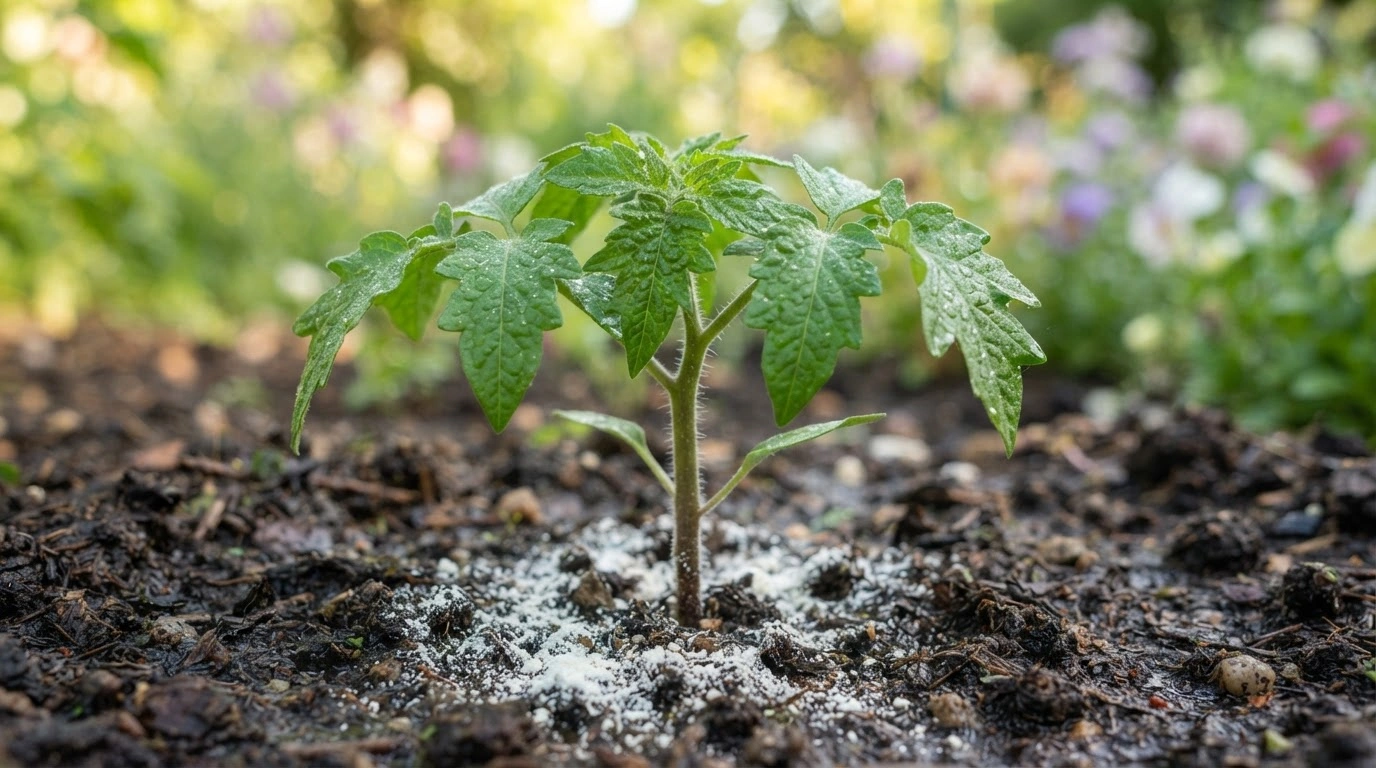
Some gardeners believe that using milk as a fertilizer completely changes their garden, while others prefer store-bought plant food. One of the main benefits of using milk is that it adds extra calcium to the soil. If you want to try it, use a smaller amount of milk than what is regularly used, which will also not leave the smell of spoiled milk. Powdered milk works great here.
Prevent Mildew
Many plants get a common fungal disease called powdery mildew, which looks like white powder coating the leaves. This white layer blocks the sunlight, making it hard for the plant to feed itself. Over time, the leaves can turn yellow, curl up, and drop off, leading to fewer flowers and less fruit.
To protect the plants from powdery gray spots in the summer, spray their leaves with diluted milk. Spraying this diluted mixture during warm weather stops mildew before it takes over the fruits and flowers. The powdery mildew dissolves because sunlight exposes the protein in the milk, which acts as a natural, temporary germ-fighter that destroys the mildew without harming the plant.
Boosts Nutrients
Milk contains calcium and B vitamins that plants can easily soak up and use. Calcium is especially helpful because it helps plants absorb other vitamins and minerals. This boosts plant growth and helps prevent blossom-end rot, which can be caused by calcium deficiency.
Additionally, calcium is also important for cell structure. Milk also consists of Nitrogen and B vitamins, making it a low-dose, natural fertilizer for plants.
Keep Pests Away
Milk is a gentle, natural pest repellent that won't harm your plants. Both indoor and outdoor plants can easily get attacked by pests. According to some gardening experts, spraying a water-and-milk mixture on plants keeps insects like aphids at bay. Aphids pierce leaves and stems to drink the plant’s juice, which results in stunted growth and yellow leaves. A milk-and-water spray stops them in two ways: the natural fats cover and suffocate soft-bodied bugs like aphids and spider mites, while the milk sugars act as an indigestible deterrent.
Strengthen Soil Health
Milk doesn't just fight fungus and pests; it also improves soil health. It adds calcium, protein, and natural sugar that feed the beneficial microbes. Healthy soil relies on these tiny organisms to break down nutrients so roots can absorb them better. Spraying a diluted milk mixture right onto the soil nurtures these microbes, strengthening soil health.
Drawbacks of Milk for Plants
- Though milk provides nutrients and can help keep plants fungus- and pest-free, it is not a universal remedy for growing plants.
- Using too much milk can actually ruin the plants. The bacteria in milk can stunt their growth and cause them to wilt.
- The fat in whole milk leaves behind a terrible sour smell, while using skim milk can trigger plant diseases like black rot, soft rot, and Alternaria leaf spots on certain crops.
How to Apply Milk on Plants?
Here is a step-by-step guide with easy instructions for using milk on plants.
Step #1: Choose the Right Milk
You can use almost any kind of milk, whether it's fresh, expired, evaporated, or powdered, if it's diluted properly. Use 2% reduced-fat milk or 1% low-fat milk instead of whole or skim milk.
Step #2: Mix Equal Ratio of Milk and Water
Diluting the milk is important so it doesn't harm your plants; it actually benefits them. Mix equal parts of milk and water in a spray bottle (50% milk, 50% water). You don’t need to measure the milk and water in an exact ratio. You can even use just a small amount of milk, around ¼ cup, mixed with water.
Step #3: How to Apply Milk?
On the leaves: Spray the milk onto the plant leaves. Check back in 30 minutes; if liquid is still sitting on the leaves, gently wipe it off with a wet towel. This action is necessary because leaving wet liquid on plants like tomatoes for a long time can cause fungal diseases.
In the Soil: You can also pour the mixture straight into the soil at the base of the plant so the roots can soak it up.
Tips:
- For a large garden, use a hose sprayer to apply milk solution. 1 quart of milk can cover a 20-foot garden, or 5 gallons of milk can cover 1 acre.
- Once you apply the milk, do not use any chemical pesticide or fertilizer, as it will destroy the bacteria in the milk that help the plant grow.
- You may notice an unusual smell after applying the milk, but it will fade over time.
How Many Times to Apply?
Even if you start seeing great results, resist the temptation to spray too often. According to expert gardeners, it's recommended to stick to a strict routine of spraying the milk solution only once every 7-10 days. Reapply sooner only after a heavy rainstorm that washes the mixture away.
Spraying a garden too frequently can do far more harm than good. Any leftover milk residue that builds up on the leaves will quickly turn sour and begin rotting. This will harm both plants and the soil. This rotting organic matter can eventually stop plant growth, rot the foliage, choke out the roots so they cannot absorb water, and attract unwanted garden pests.
Additionally, recurrent use of milk can clog plants' pores, which will suffocate them, affecting the process of photosynthesis.
Can Using Milk Help Get Rid of Powdery Mildew on Plants?
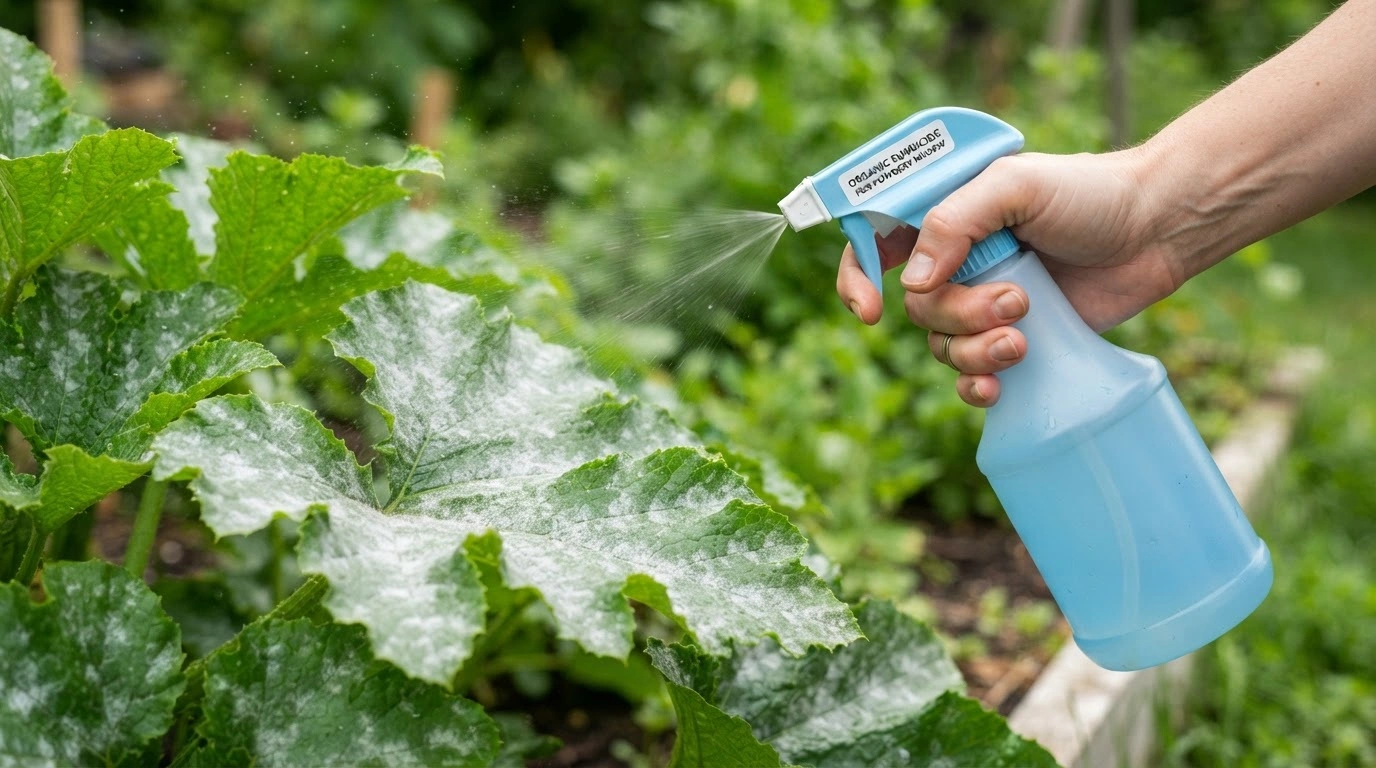
While a diluted milk spray works well as a mild treatment, expert horticulturists point out that it simply is not strong enough to handle severe cases of powdery mildew. This destructive fungus thrives in specific conditions: humid nights (60 percent and higher) and dry days (70 to 80 degrees Fahrenheit). The more humid the weather is, the more mildew will grow, while dry days promote spore dispersal. When humidity is high, you will need to upgrade to a stronger, specialized treatment to control powdery mildew.
Also keep in mind that milk is only a temporary fix for fungal issues. Milk can only slow or hold powdery mildew growth, which only lasts for about five to seven days, and you should reapply it before the end of that duration. This is because the fats in milk break down faster than those in horticultural oils. Therefore, reapply milk once a week. Horticultural or neem oil stays active on the plant for at least twice as long, saving one’s time and effort.
Is Milk Healthy for Plant Leaves?
Yes, milk works well for plant leaves. It helps maintain cleanness while naturally keeping away common garden issues like aphids and powdery mildew fungus. Spraying a diluted milk onto leaves is known as foliar feeding. Instead of feeding the plant roots through the soil, one can nourish the leaves directly with the spray. This technique allows the leaves to soak up essential macro and micronutrients much faster.
How to Feed Plants Through Leaves?
Follow these steps to feed your plants through leaves:
Step #1: Mix the Solution
Combine two parts water with one part milk in a clean spray bottle and shake it up well.
Step #2: Mist the Plant
Lightly mist the entire plant from top to bottom, making sure to spray both the tops and undersides of every leaf. Don’t completely drench or soak it.
Step #3: Let it Sit
Allow the spray to dry naturally on the leaves for approximately thirty minutes.
Step #4: Wipe it Clean
Gently wipe down all the plant’s leaves using a damp, soft cloth to clean off any remaining milk residue.
| Tips | Thoroughly wash out the spray bottle after each use so spoiled milk does not ruin your next spray. |
What Are the Steps to Clean Plant Leaves With Milk?
Taking care of your houseplant requires keeping its leaves clean. Follow these steps to make and use milk spray for leaf cleaning:
Step #1: Mix equal amounts of milk and water (1:1 ratio) in a spray bottle, then shake it well.
Step #2: Spray the diluted milk over the leaves and let it rest there for 30 minutes.
Step #3: Take a soft, barely damp cloth and wipe the leaves gently. Hold your hand under the back of the leaf to protect it from damage while you wipe.
Step #4: Always clean off any remaining liquid completely. If milk residue is left on the leaves, it forms a sugary layer that smells bad and draws in pests or fungi.
Is Milk Good for Trees?

Milk can definitely help trees, just like it helps other vegetables and houseplants. It adds valuable nutrients like calcium and nitrogen, which support both the tree’s leaves and the overall health of the soil. However, be careful not to use it too much. While a normal amount helps your tree and enriches the soil, overusing it can actually damage the tree's health.
Mistakes to Avoid When Using Milk on Plants
To get the best results when using a milk spray on your plants, there are a few things you should avoid. Keeping these in mind will help prevent problems and make sure you apply the mix correctly.
- Using Pure or Full-Fat Milk: Always dilute the milk first and choose a low-fat version. Using full-fat or undiluted milk creates a thick coating on the leaves and blocks the plant from getting enough sunlight.
- Spraying in High Humidity: Applying the mixture when it's humid or late in the evening creates conditions where fungal diseases can easily grow. Instead, spray your plants in the morning on a sunny, dry day.
- Spraying Houseplants Indoors: Take indoor plants outside to spray them, and let them dry before bringing them back in. Without good airflow, spraying inside can leave a sour odor in your home.
Conclusion
Using milk for plant care is a natural and budget-friendly way to nourish the plant and its leaves while protecting it from common pests and diseases. Whether you use low-fat milk or reduced-fat milk, just have it diluted with an equal ratio of water to avoid bad odors.
Additionally, after spraying the diluted milk and water mix to clean the leaves, leave it for 30 minutes. Avoid making the common mistakes discussed in this blog, and you shall have wonderful plants blooming in your garden.