


Laminates are hard flooring materials that are versatile, durable, easy to install, and look premium with the natural hardwood effect. Even many experts agree that the laminates cannot be distinguished from hardwood, because of their hyperrealistic appearance. Laminates get the look from their material composition, and it is important to understand that the laminates are not made of a single material.
Instead, laminates are made of several synthetic materials fused together under heat and high pressure. It consists of four layers fused above one another to replicate the closest look of natural wood. To help you understand better, this blog discusses the material composition to understand what laminate flooring is made of.
Why is Laminate Flooring So Popular?
Laminates are trending because of so many good reasons. Some of them are -
- They are affordable and the best alternative to hardwood floors.
- These floorings are durable and resistant to scratches, stains, fading, and several other external damaging factors.
- Laminates are easy to clean and maintain. All you need is a vacuum and a clean, damp mop to wipe off the surface. Also, its tight locking system makes it impossible for dust and grime to settle inside the laminates.
- These are easy to install with the user-friendly interlocking system, which sticks together without using glue and saves time and labor costs.
What is Laminate Flooring Made of?
Laminate is a multi-layer flooring material made from wood fiber that looks like natural wood. It is made by pressing four layers in one single laminate board under very high temperature and pressure. This results in tougher and more versatile products that are durable, tolerate daily foot traffic, and last longer.
Every laminate flooring is made of the same core essential components, consisting of four layers, such as -
Base Layer
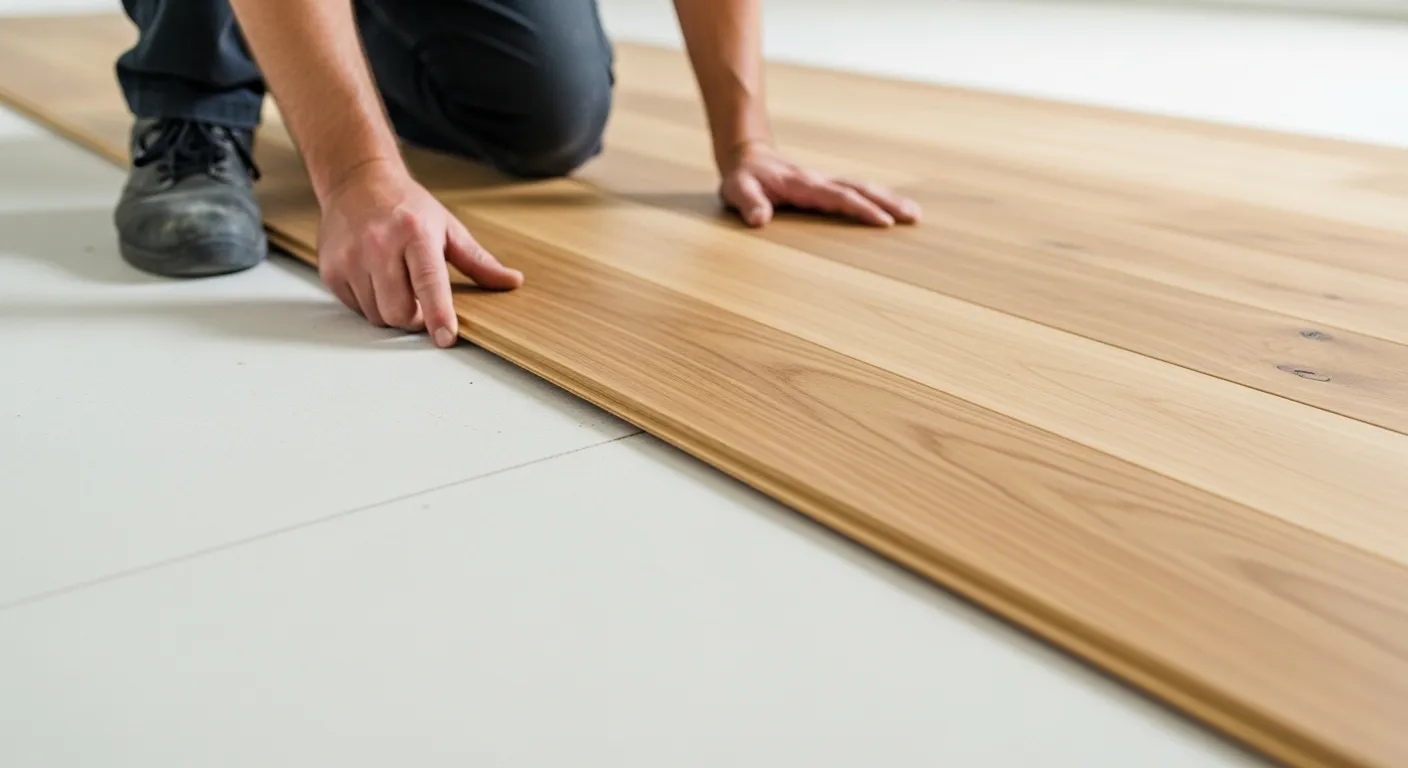
The base or the bottom layer keeps the board straight. The backer seals the back of the board to keep it dimensionally stable so that it does not get affected and compromised by the moisture. Some manufacturers also add foam padding to avoid using underlayment, which enhances the acoustic quality of the floor. This means the floor won’t make noise when you walk on it.
HDF or Core Board
This is a core layer made of high-quality HDF board, also known as high-density fiberboard. The board is made from softwood fibers that are broken down, mixed with wax and resin binder. Then, the combination is treated with heat and pressure to make the board durable and stable.
During the manufacturing process, the HDF core undergoes milling to get absolute, micron-precise tolerances. Then each plank is cut to ensure it fits snugly and installed according to one of four locking systems. To ensure the locking system functions efficiently, you need extreme micron-milling precision, which is only possible with an HDF core.
Decorative Element
Next, a decorative paper layer is added to give the panels a unique look. It is printed with a high-quality design that offers a realistic wood, stone, or marble design, in addition to the patterns of leaves, grass, paint splatters, etc. The decorative papers are available in various colors and patterns, from the warm effect of oak to the distinctive veins of marble.
Overlay Layer
Also known as the wear layer, the top laminate flooring layer adds a lustrous touch to the planks and also ensures their durability. In addition, it offers the following functions -
- This layer protects the laminate flooring from wear and tear caused by heavy foot traffic. It also prevents scratches and scrapes caused by pets claws, shoes, kids toys, vacuum cleaners, etc.
- It safeguards the decorative paper from fading or getting dull due to UV rays. Most homes have big open windows, such as floor-to-ceiling windows. If they are facing south or southwest, the UV can photodegrade the floor and break the chemical bond, causing the color to fade.
You can find several finishes, such as matte and high gloss, in the wear layer. It is usually a combination of melamine resin and aluminum oxide particles. This makes the flooring resistant to fading caused by the harmful UV rays, abrasions, stains, and strains. Both the material creates a strong surface and are textured to mimic the realism and imperfections of a wood surface.
Why is Aluminum Oxide Used to Make Laminate Flooring?
Aluminum oxide is a clear finish that is applied along with melamine resin on the top of the decorative paper to preserve its integrity throughout the years. First, the aluminum powder is ground into a fine powder form and mixed with melamine resin and cellulose. When applied to the laminate flooring, it increases its durability and enhances the water, stain, and scratch-resistant properties.
The aluminum oxide is dense, which helps the protective nature of the resin, adding a barrier that makes the laminates durable. Once the coating is applied, it is then flash-cured, which dries it instantly, giving a clear and shiny finish.
The coating cannot be allowed to air dry because the aluminum particles may float to the top and make the topcoat hazy, which makes the finish look dull. A high-quality laminate finish is made with multiple coatings, ensuring the laminate’s durability.
How Durable and Stable is Laminate Flooring?
Laminate flooring is highly durable and resists dents from heavy furniture, and this is due to the high-density core board. The top layer prevents scratching and fading, making laminates a wonderful choice for rooms that receive ample and direct sunlight throughout the day.
The flooring is best for residential and light commercial spaces, as it repels and resists water. These features make it best for open floor kitchens, living rooms, and other spaces that receive heavy foot traffic.
How is Laminate Board Made?
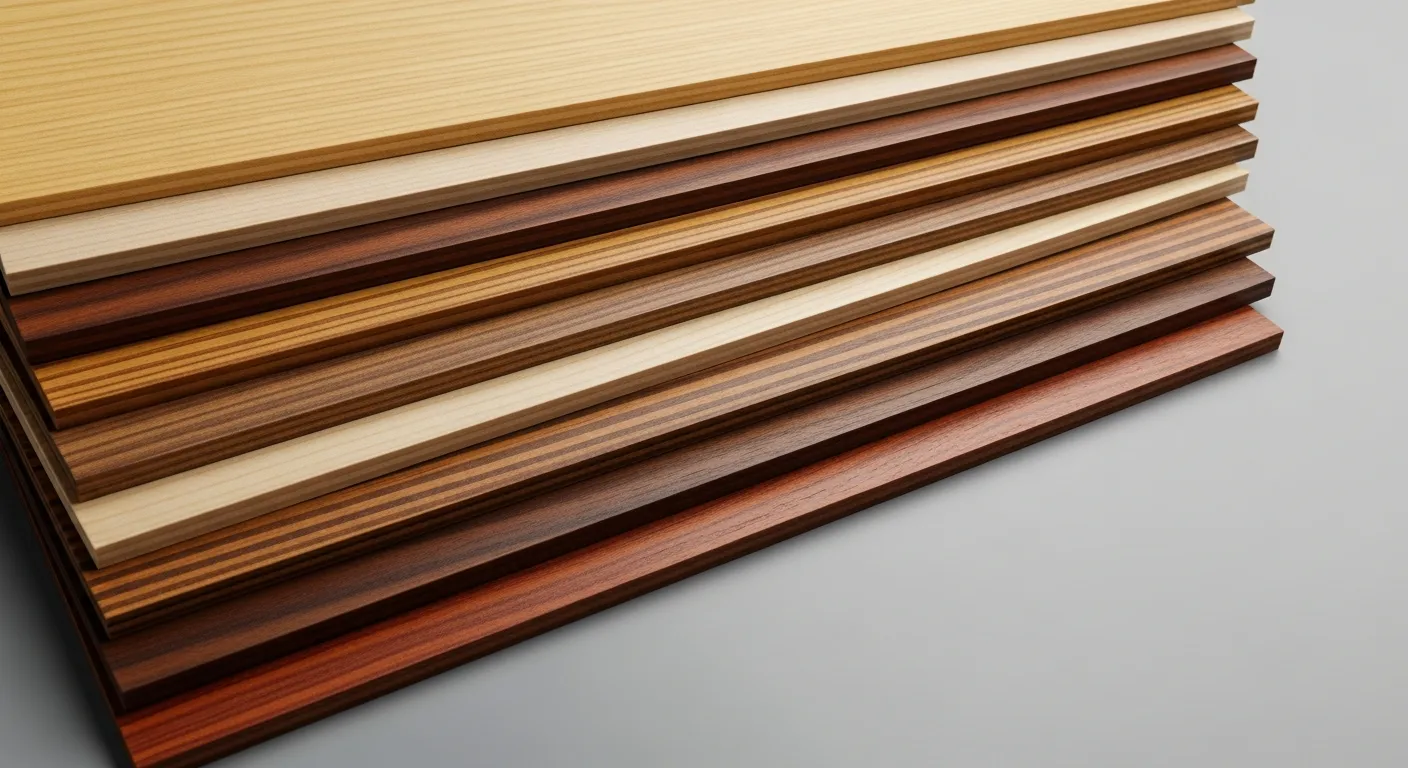
Laminate boards are exceptionally durable and strong because of the rigorous process they undergo. The laminates, which turn out to be beautiful and strong, are a four-layer board engineered through intense pressure and amazing precision.
The most common method manufacturers use today is DPL (Direct Pressure Laminate). In this process, all four layers - the backing, HDF core, decorative print, and the top wear layer are stacked together and put into a huge press. The pressure does two things -
- First, raise the heat to beyond 300 degrees Fahrenheit.
- Second, it compresses the layers under crushing pressure, often exceeding 600 pounds per square inch.
The pressure and the heat melt the melamine resins infused throughout the layers, which thermally bonds them into one single, incredibly dense and stable laminate board.
How Are Textures Created on Laminate Flooring?
Today, laminates are not created as they were traditionally. The manufacturers, today, do not just create the look of the wood, but texture, too, using a method called embossing in register (EIR). During DPL, a textured steel plate pushes down the top layer, and with EIR, this plate gives the mirror image of wood grains on the decorative layer.
There are three types of patterns you can find -
- Synchronized Knots: If the surface has a wood knot texture, you can actually feel it, too.
- Aligned Grain Patterns: The tiny grooves on the surface perfectly mimic the fine lines of an oak or hickory grain.
- A Feel of Realism: The beautiful alignment between the design and texture recreates the look and feel of authentic wood. Such significant attention to detail makes it a sophisticated choice at an affordable rate.
How is It Milled?
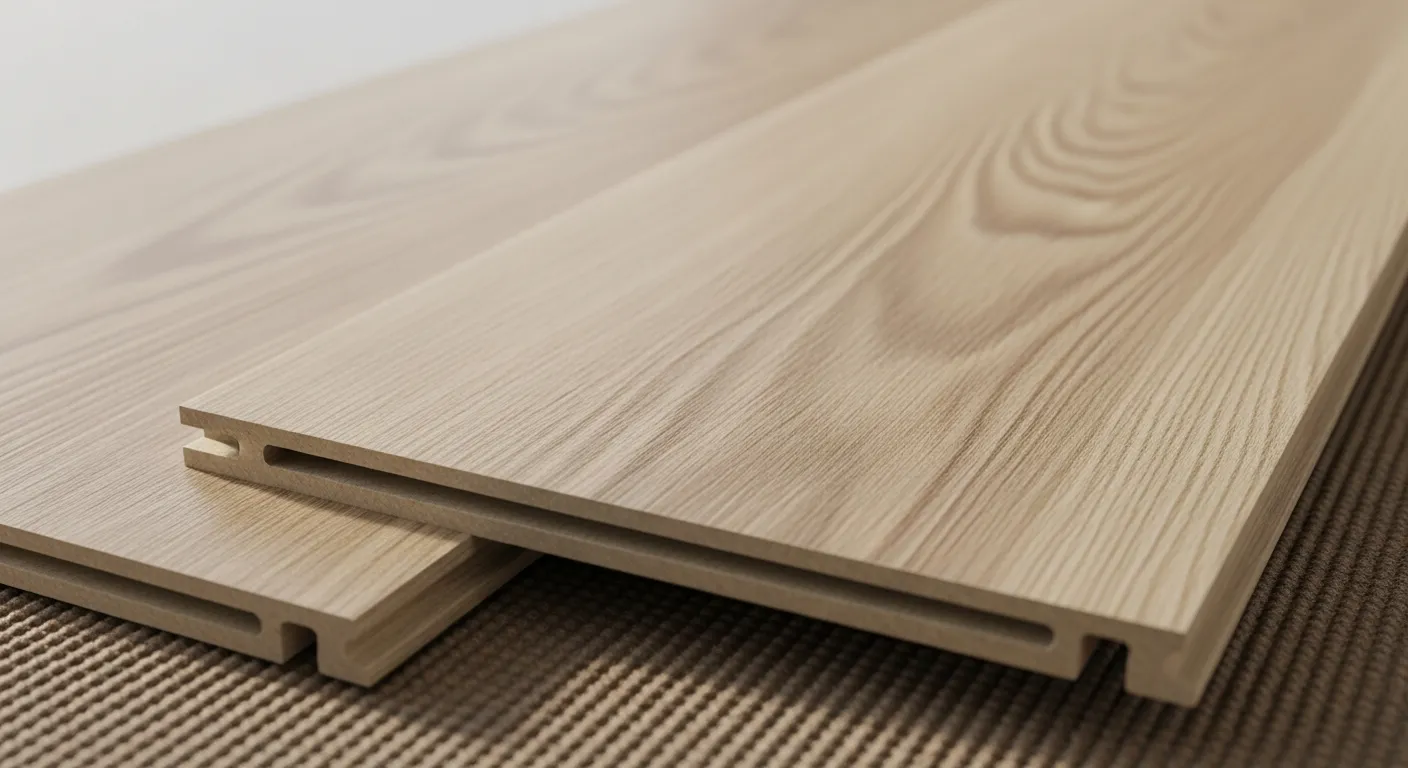
After the sheets have cooled, it is cut into planks, and then the edges are milled to create an interlocking system. Thus, making it usable for DIY projects. The plank is milled using incredible diamond-tipped tools. A tongue is milled along one edge of the plank, while a matching groove is cut into the opposite side, to make interlocking easy.
However, there is no room for error, because even a tiniest miscalculation might lead to gaps between the boards that make installation a nightmare. The interlocking system makes the panels snap together tightly, which creates a “floating floor effect,” without using glue or nails. The precision locking system makes the seam so tight that even water cannot penetrate to the subfloor.
How to Measure the Quality and Durability of the Laminate?
When you plan to buy laminates, first you should know what the planks are made of and also understand what to look for when buying the laminates. Not all laminates are the same, as a laminate made for the bedroom may not be the perfect choice for entryways that receive heavy footfall.
The quality laminates are recognized using standardized ratings. These ratings, the most important one being AC, or Abrasion Class, help understand the toughness of the product according to your needs. You can consider it as a durability score for the wear layer. This rating was developed in Europe, which puts the panels under rigorous tests to measure their resistance to stains, scratches, impacts, and cigarette burns.
The higher the number, the tougher the floor is. It is important to pick the right AC rating to ensure it lasts longer without having to invest repeatedly. In addition, check how well the floor handles moisture.