

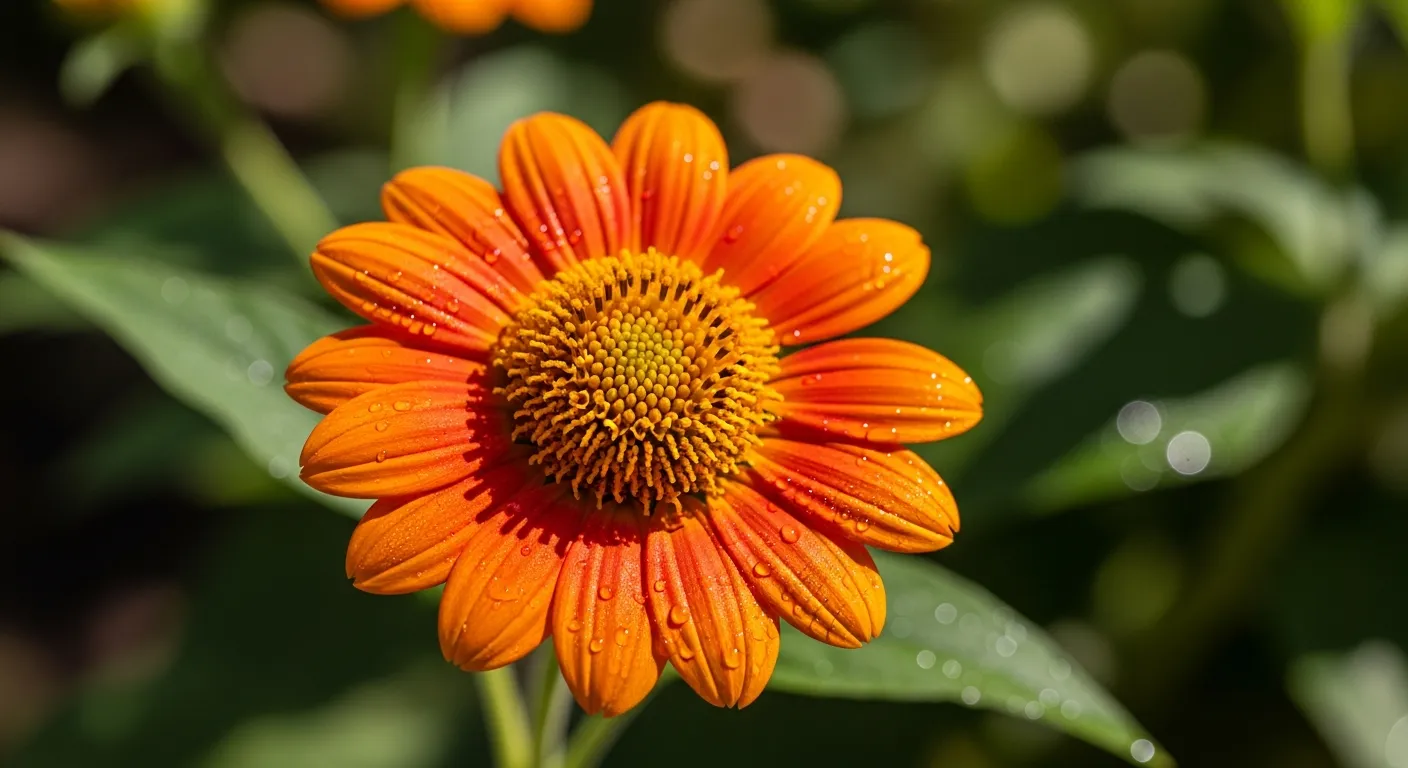
Mexican sunflower is a fast-growing annual that is easy to grow from seed. It is admired by gardeners as it produces daisy-like flowers in vibrant colors like red, orange, and yellow. Just like any other plant, this too requires proper light, the right soil type, and many more to thrive. This blog covers it all, including the right time to plant them and caring tips.
What is the Ideal Planting Time?
The best time to plant this is spring after the first frost period is over. This plant can be sown directly outdoors from seed. Make sure the night temperature is above 60°F, and only then plant the plant in the ground.
Growing Mexican Sunflowers According to Zones?
The area's zones where it is planted and grown affect the plant's overall growth. Here are the varied zones in which plants can grow.
How Do Zones Affect Planting?
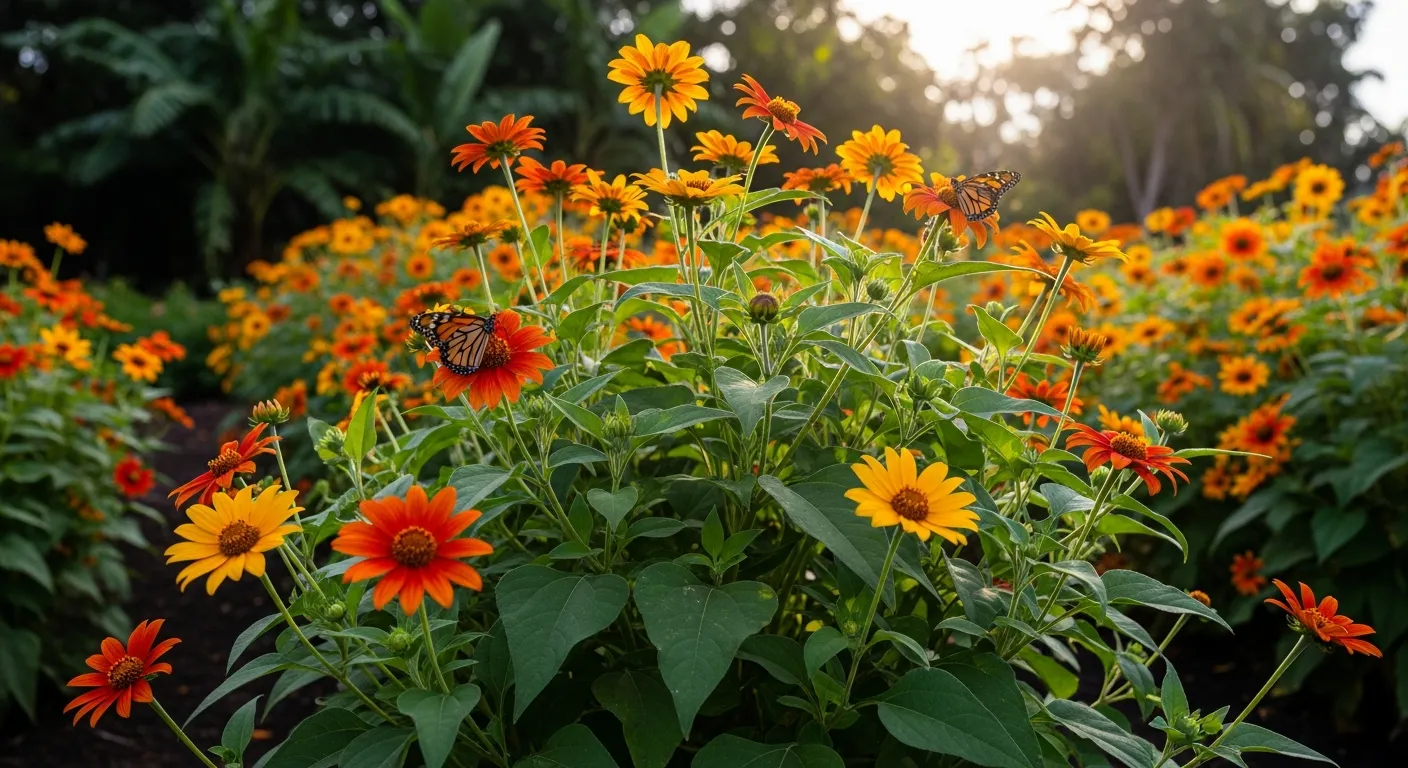
Zones 9-10- Mexican sunflower plants can be grown all year round in zones 9-10.
Zones 2-8- In zones 2-8, you can directly sow the seed once the soil has warmed.
Planting Indoors and Direct Sowing
The germination time and light requirements of Mexican sunflowers depend on whether it’s planted indoors or directly in the garden.
| Criterion | Planting Indoors | Direct Sowing in the Garden |
| Mode of propagation | It can be grown both from market bought plants or from seed. | It can also be grown both from market bought plants or from seed. |
| Best time to plant | Plant 6-8 weeks before the last frost date. | Plant only when the soil warms up in spring. |
| Bloom time | If planted in colder climates of zone 4 or below, you can expect bloom in summer. | When sown in spring, you can expect blooming within 2 months. |
| Germination | Seeds will germinate within 2-3 weeks of sowing. | When it is kept at a temperature of 70° to 80° F, it germinates in 2-3 weeks. |
Ideal Conditions to Growth Mexican Sunflower
Full Sunlight
One of the primary requirements for growing the shrub is full sun. This shrub won’t grow in shady areas and may suffer from fungal diseases.
Low-Nutrient and Well-Drained Soil
Unlike other flowering shrubs, such as roses and dahlias, Mexican sunflowers are not fussy. All it needs is well-drained soil to avoid root rot, and the soil should have less nutrient content.
Less Watering
As the shrub is drought-tolerant, it doesn’t need watering. In the rainy season, make sure there’s proper drainage to avoid root rot.
Hot Weather and Average Humidity
Mexican sunflowers thrive in hot weather and stop growing in cool weather. The ideal time to grow the shrub is when nighttime temperatures are in the 60s. It needs average humidity.
Any Supplemental Fertilizer
This shrub is not fussy about fertilizer. Any supplemental fertilizer will be fine. If you plant the seed in depleted soil, add all-purpose flower fertilizer to give it a healthy start.
Guide to Planting Mexican Sunflower
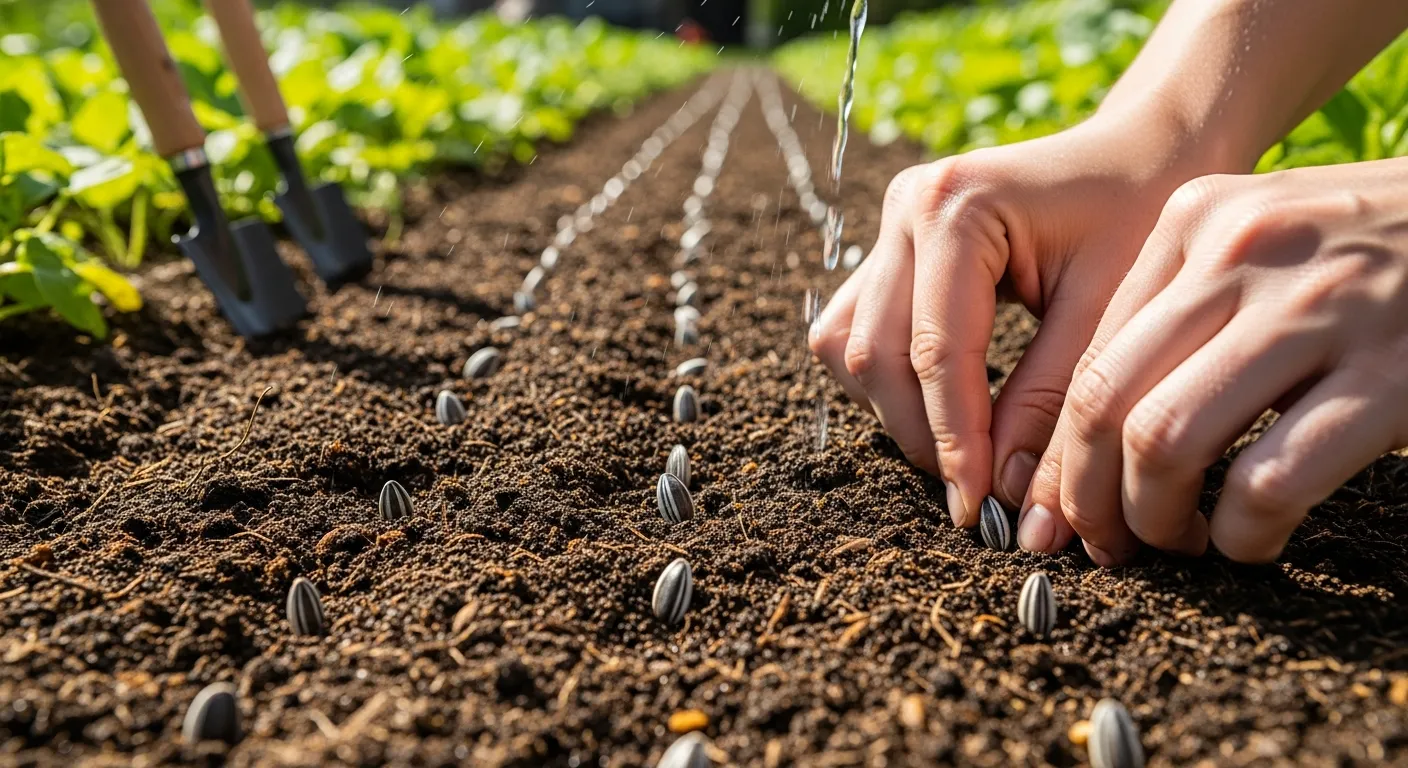
- Start by weeding the area and loosening the soil to a depth of 6 inches.
- Then, add compost to the garden around the soil to ensure proper drainage.
- Rake out the soil and level it to make it firm.
- At this stage, sow the seeds of Mexican sunflower with a gap of 12 inches between two seeds.
- Press the seed into the soil, but don’t cover it, as this shrub requires full sunlight for germination. Make sure the area is moist for better germination.
- Once seedlings pop up, remove the weaker sprouts while retaining the healthiest ones, spaced 18 inches apart.
- If the area where you live is windy, arrange for additional support for the growing tall plant; the plant will break due to strong wind. Make sure there is a 2-4-foot space between the plants to improve air circulation and prevent powdery mildew.
Caring Tips
- Once the plant is well established but blooming is slow, cut back ⅓ of the plant to encourage more blooms and achieve clean lines. It adds to the aesthetic.
- The rainy season brings the fear of snails and slugs, which can damage plants; hence, exploring bait options can help prevent their infestation.
- Avoid overly rich fertilizer because it will result in fewer blooms.
- Water them during the growing phase; once established, they are drought-tolerant.
- Add mulch over the garden to help maintain moisture.
- Though it is resistant to pests, keep an eye on the plant.
- If you see spider mites on the leaves, gently remove the affected leaves.